Silver ETFs Face Supply Challenges Amid India's Tightened Import Restrictions: Investment Implications Ahead
India's Bullion Market Undergoes Major Transition Amid Import Duty Hike and Silver Restrictions
India's bullion market is undergoing a significant transformation following the government's decision to sharply raise import duties on gold and silver, and impose fresh restrictions on silver imports. The move, aimed at curbing imports, preserving foreign exchange reserves, and stabilizing the rupee during a period of global uncertainty and elevated crude oil prices, has triggered concerns around domestic pricing, ETF supply, and future demand trends.
According to a report by Mirae Asset Mutual Fund, the recent measures are designed to curb imports and preserve foreign exchange reserves. The report noted that India raised import duty on gold and silver from 6% to 15% effective May 13, 2026, including 10% Basic Customs Duty and 5% Agriculture Infrastructure and Development Cess (AIDC). Since India imports nearly all of its gold demand and a significant portion of its silver requirements, the duty hike has directly increased domestic bullion prices.
| Import Duty Hike (May 13, 2026) | Original Import Duty | New Import Duty |
|---|---|---|
| Gold | 6% | 15% (10% BCD + 5% AIDC) |
| Silver | 6% | 15% (10% BCD + 5% AIDC) |
Read also: Treasury Yields Experience Largest Increase in Two Weeks Following Release of Labor Market Data
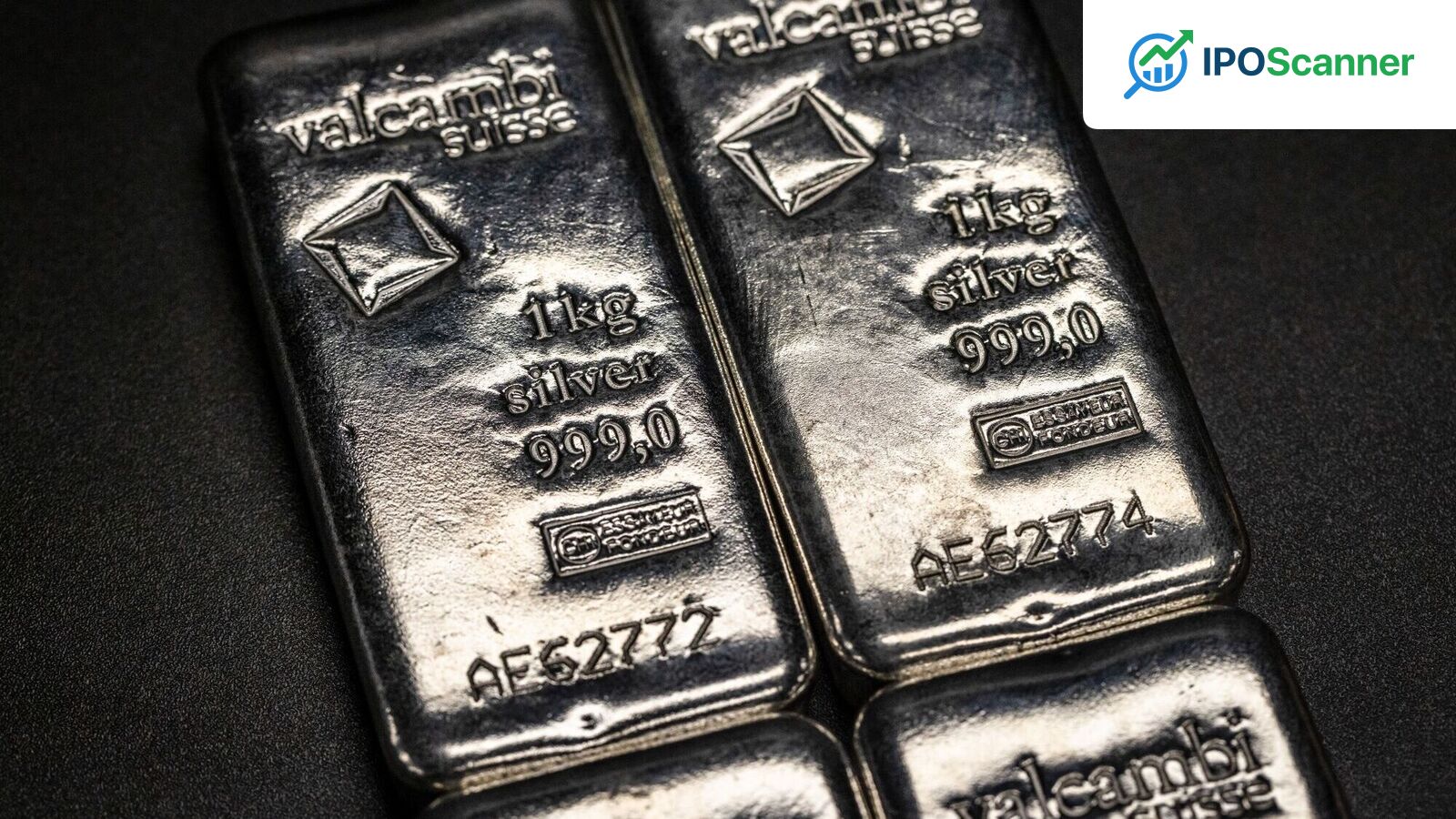
The report highlighted concerns emerging from the government's decision to place silver bar imports under the restricted category from May 16, 2026. Gold and silver ETFs are backed by LBMA-certified physical bullion, which means asset management companies must procure and store physical metal for every ETF unit created. Restrictions on silver bar imports may therefore affect the supply chain for silver ETFs if approvals are delayed or imports slow meaningfully.
According to the report, the market has already started witnessing discount compression in silver ETFs between May 15 and May 18, 2026. The domestic premium-discount gap narrowed sharply from negative ₹11,840 per kilogram to negative ₹5,000 per kilogram during the period.
| Silver ETF Price Movement (May 15-18, 2026) | Discount (₹/kg) |
|---|---|
| Initial Discount | - ₹11,840 |
| Discount after 3 days | - ₹5,000 |
The report also pointed to similarities with India's gold import restrictions during 2012-2013, when repeated duty hikes and the "80:20 rule" led to supply bottlenecks, sharply higher domestic premiums, and a rise in smuggling activity. "Demand suppression policies do not necessarily reduce demand, but shift it to informal channels. Domestic prices tend to rise due to restricted legal supply," it added.
Read also: US-Iran Tensions Spark Uptick in Oil Prices Amid Global Market Decline
Market participants are closely monitoring whether the import restrictions eventually affect the functioning and pricing of silver ETFs. "The impact on Silver ETFs remains a wait-and-watch situation for now. Supply conditions are currently comfortable, but there is still limited clarity on the exact implications of moving Silver Bars from the 'free' to the 'restricted' category," said Anil Ghelani, CFA, Head of Passive Investments and Products at DSP Asset Managers.
Ghelani pointed out that the latest policy change could potentially affect broader silver imports, including industrial demand, and not just investment-linked demand through ETFs and silver bars. He added that RBI-authorised banks, which are among the key suppliers of bars used by silver ETFs, are still awaiting greater operational clarity from regulators.
Silver ETFs could potentially trade at a premium to their net asset value if sourcing challenges intensify over time and fresh unit creation becomes difficult, stated Ghelani. However, he said it remains too early to draw firm conclusions because demand has remained moderate in recent weeks.
Investor Takeaway
Investors should be cautious of potential supply chain disruptions and price volatility in the Indian bullion market.
More in Economy

Treasury Yields Experience Largest Increase in Two Weeks Following Release of Labor Market Data

US-Iran Tensions Spark Uptick in Oil Prices Amid Global Market Decline

MoSPI Releases Uniform Norms for DDP Estimates with 2022-23 Base Year

