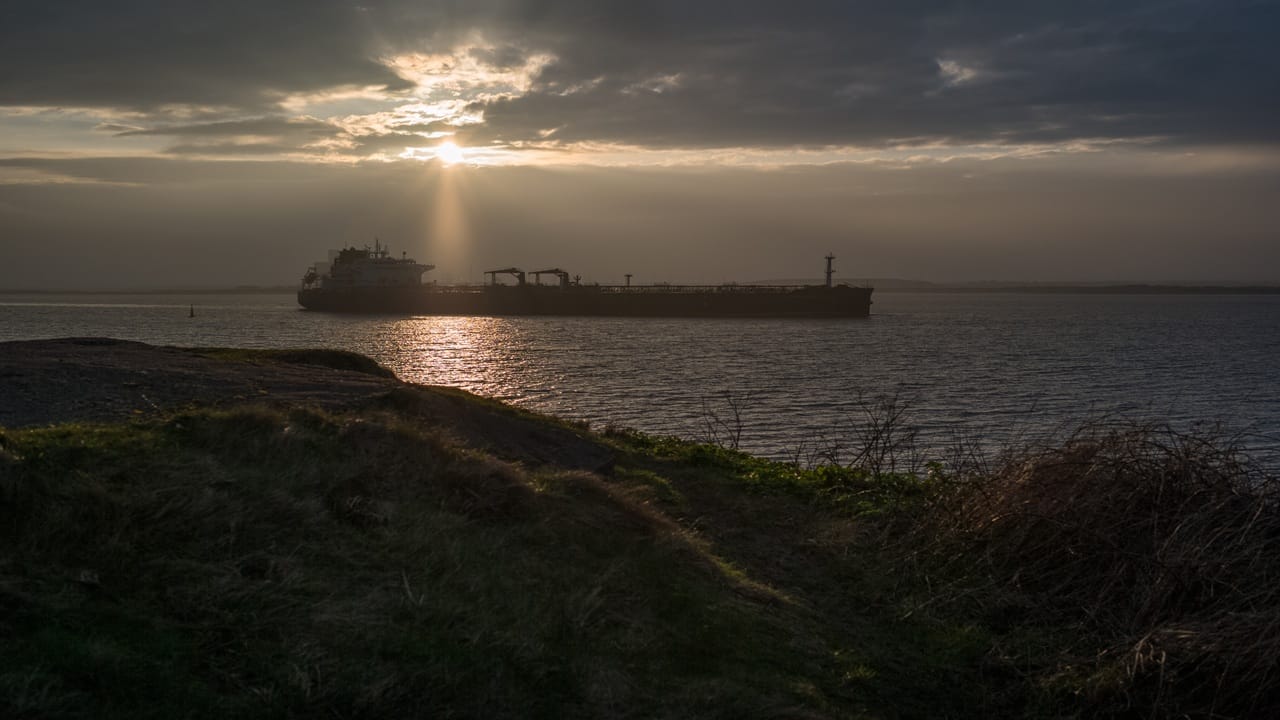
Shipping Congestion in Hormuz Strait Evidenced by Clusters of Vessels and Increased Tanker Speeds
Global Energy Market Disrupted by Strait of Hormuz Closure
The situation around the Strait of Hormuz has become increasingly complex, with at least 12 clusters of ships, some containing over 200 vessels, appearing near the waterway. This is likely a sign of elevated electronic interference, making it difficult to track the location of vessels.
The Strait of Hormuz is a critical maritime artery, and its effective closure has had a significant impact on the global energy market. To mitigate the effects of the conflict, Persian Gulf producers have locked-in oil output as storage capacity has run out. The disruption has led to a spike in Brent futures, with prices initially reaching $120 a barrel before falling sharply after US President Donald Trump signaled that the war may soon end.
Electronic Jamming
Read also: Treasury Yields Experience Largest Increase in Two Weeks Following Release of Labor Market Data
The clusters of ships appear to be a result of electronic jamming, which is making it difficult to track the location of vessels. This practice is often used during times of heightened geopolitical tensions, and can distort vessels' reported speeds. For example, the Asprouda, a 2013-built products tanker, was reported to be traveling at an improbable 102.2 knots off Jebel Ali, equivalent to almost 190 kilometers an hour.
Impact on the Maritime Industry
The appearance of the huge groups of vessels is likely to compound nervousness for shipowners and charterers operating in the region. The industry has already faced escalating war-risk insurance premiums, with several vessels targeted by missiles and projectiles. Jamming began immediately at the outset of the conflict and impacted over 1,100 ships in the Persian Gulf.
Government Intervention
Read also: US-Iran Tensions Spark Uptick in Oil Prices Amid Global Market Decline
US President Donald Trump has floated the possibility of offering insurance for vessels and naval escorts in a bid to revive maritime traffic through Hormuz. He has also mentioned the possibility of taking control of the strait, although it is not clear what specific actions he is contemplating.
Key Statistics
- 12 clusters of ships have appeared near the Strait of Hormuz
- Some clusters contain over 200 vessels
- 1,100 ships have been impacted by jamming in the Persian Gulf
- 5 vessels crossed the Strait of Hormuz on March 4, compared to 120 crossings on February 26
- $120 a barrel was the initial price of Brent futures after the conflict began
Investor Takeaway
Investors should be prepared for potential disruptions in the global energy market due to the conflict in the Strait of Hormuz.
More in Economy

Treasury Yields Experience Largest Increase in Two Weeks Following Release of Labor Market Data

US-Iran Tensions Spark Uptick in Oil Prices Amid Global Market Decline

MoSPI Releases Uniform Norms for DDP Estimates with 2022-23 Base Year

