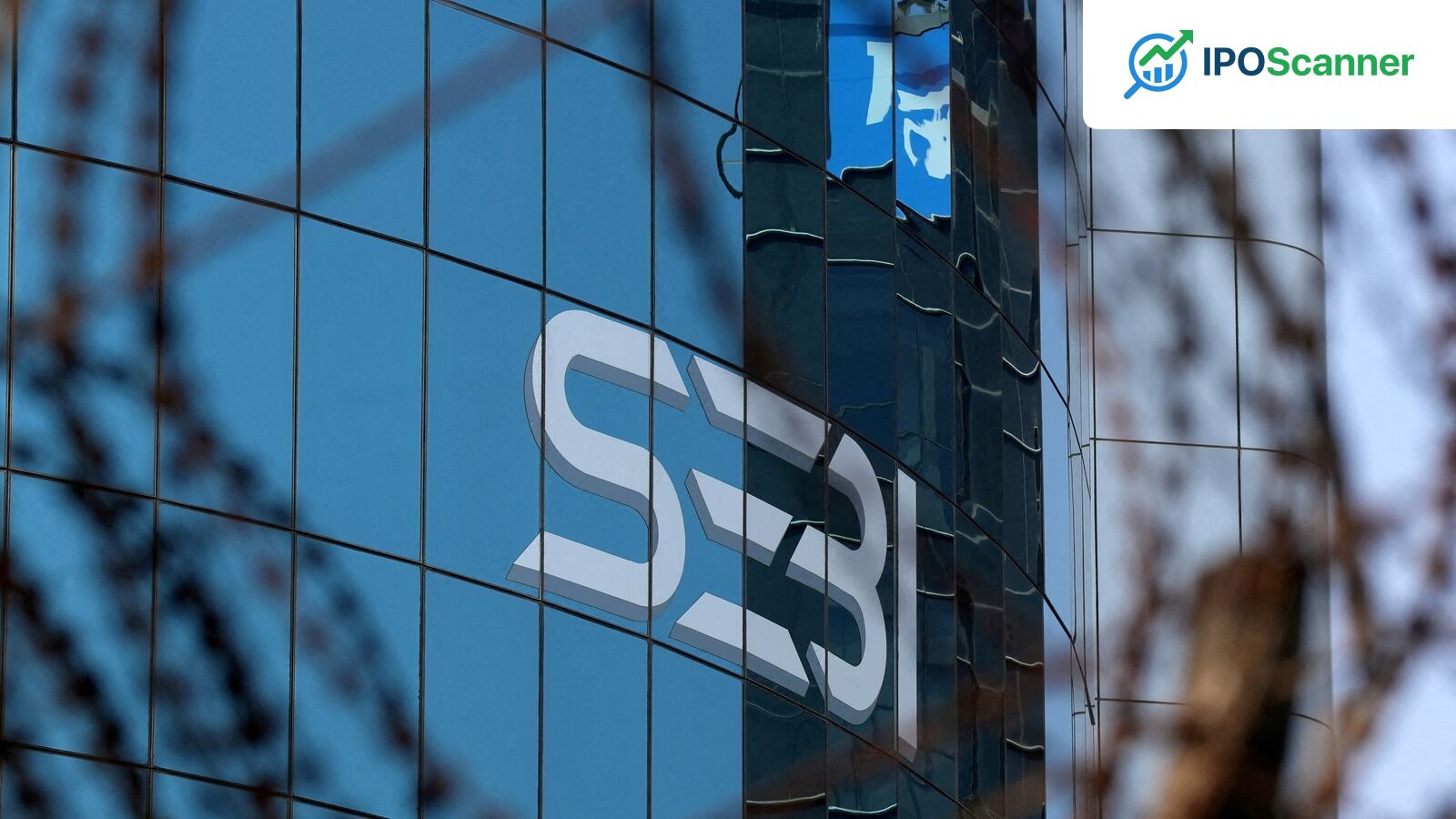
Securities Board to Introduce Bond Distribution Model
Sebi Plans to Introduce Specialised Category of Distributors for Debt Securities
The Securities and Exchange Board of India (Sebi) is set to introduce a new category of distributors for debt securities, a move aimed at widening retail participation in India's bond market. This development comes as Sebi continues to push for increased household participation in capital markets beyond equities.
According to Sebi, the proposed distributors will simplify the investment process for retail investors by assisting with Know Your Customer (KYC) formalities, documentation, and transaction initiation. This move is part of Sebi's efforts to deepen household participation in capital markets other than equities.
India's fund management industry has experienced significant growth over the past decade, with assets under management reaching ₹91 trillion as of March 2026, at a compound annual growth rate (CAGR) of more than 19%. The industry includes mutual funds, portfolio management services, and alternative investment funds.
Read also: Treasury Yields Experience Largest Increase in Two Weeks Following Release of Labor Market Data
A comparison of the assets under management in different categories as of April 2026 is shown below:
| Category | Assets Under Management |
|---|---|
| Debt Funds | ₹19.31 trillion |
| Equity Mutual Funds | ₹35.8 trillion |
Debt funds have been out of favour with retail investors in recent times due to unfavourable taxation on capital gains. Gains from debt mutual funds are taxed at the investor's income tax slab rate, irrespective of the holding period, while equity mutual funds enjoy concessional capital-gains tax rates of 20% for short-term gains and 12.5% for long-term gains.
Sebi whole-time member Amarjeet Singh highlighted the importance of distributors in broadening financial participation, especially for first-time retail investors. He noted that nearly 54% of mutual fund industry assets are mobilized through regular plans routed via distributors.
Read also: US-Iran Tensions Spark Uptick in Oil Prices Amid Global Market Decline
The broader financial distribution ecosystem has also expanded rapidly, with the number of active mutual fund distributors rising to 340,000 over the past five years. Business correspondents and insurance agents have also seen sharp growth.
However, Singh cautioned that rapid digitisation and increasing product complexity are creating new risks in the distribution ecosystem. He noted that financial products are becoming more sophisticated, ranging from passive investing and factor-based products to private credit and alternative investments.
Singh also raised concerns around misinformation and speculative behaviour amplified through social media platforms. He urged the industry to ensure that all digital communication reflects the same standards of suitability and transparency.
The growing use of artificial intelligence in financial distribution has similarly raised concerns around accountability, transparency, and so-called 'AI washing', in which firms exaggerate their technology capabilities. Singh also warned against conduct risks arising from an excessive focus on short-term sales, rapid customer acquisition, and distribution volumes, which could lead to unsuitable recommendations and mis-selling.
Investor Takeaway
Sebi plans to introduce a bond distribution model to widen retail participation in India's bond market.
More in Market

Treasury Yields Experience Largest Increase in Two Weeks Following Release of Labor Market Data

US-Iran Tensions Spark Uptick in Oil Prices Amid Global Market Decline

Indian Stocks to Watch: BHEL, Agarwal Industrial, JBM Auto, Rajesh Exports, Indian Energy Exchange, Lenskart Solutions in Market Focus on June 4.