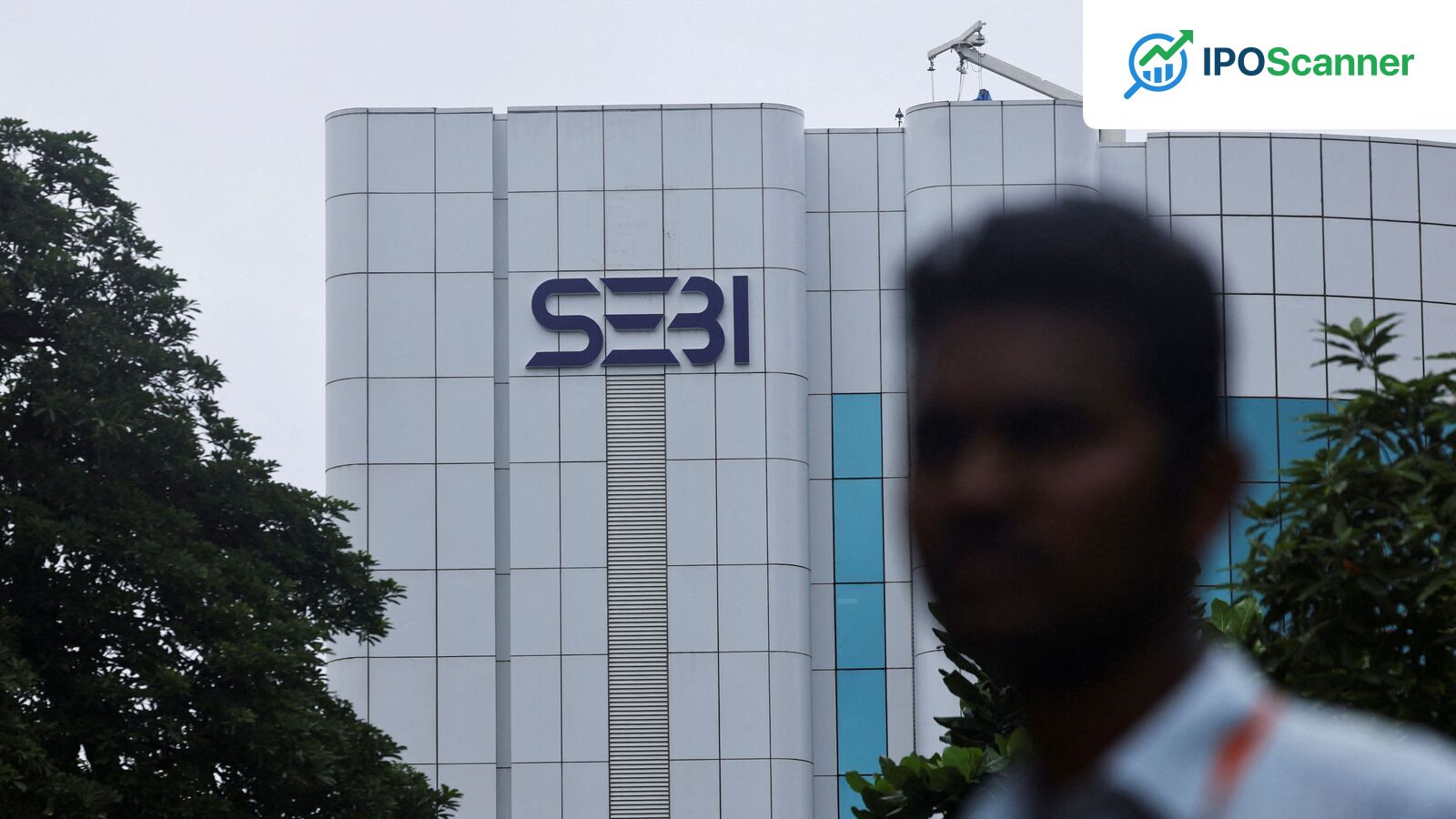
Sebi Proposes Major Overhaul of Municipal Bond Rules to Enhance Urban Infrastructure Financing
India's Market Regulator Proposes Revamp of Municipal Bond Regulations
The Securities and Exchange Board of India (Sebi) has issued a consultation paper outlining proposed changes to municipal bond regulations aimed at making it easier for urban bodies to raise debt while tightening disclosure and investor protection norms. The move comes as India's rapid urbanization increases pressure on local governments to fund roads, sewage systems, transport networks, and water infrastructure.
According to Sebi, municipal corporations require a "quantum rise" in spending to meet urban infrastructure demand and should rely more on stable, self-generated financing sources instead of depending heavily on state and central government grants. To address this, Sebi recommends allowing two or more municipalities to raise money collectively through a pooled finance vehicle or special purpose vehicle (SPV). This would help smaller municipalities, which often struggle to independently access debt markets due to weaker financial profiles or limited scale.
Key Proposal: Pooled Bond Issuances
Read also: Treasury Yields Experience Largest Increase in Two Weeks Following Release of Labor Market Data
| Proposal | Description |
|---|---|
| Pooled bond issuances | Allow two or more municipalities to raise money collectively through a pooled finance vehicle or SPV |
| Dedicated escrow accounts | The pooled entity would maintain dedicated escrow, interest payment, and sinking fund accounts to safeguard investor repayments |
| Credit enhancement measures | Additional credit enhancement measures such as cash collateral, state government support, and guarantees from development finance institutions or multilateral agencies |
Sebi proposed additional credit enhancement measures to support the pooled bond issuances. The regulator said the SPV would need a separate credit rating, while rating companies would assess the financial position of each participating municipality in the pool.
Increased Retail Participation
To encourage greater retail participation in municipal debt securities, Sebi suggested lowering the face value of privately placed municipal bonds to as little as ₹10,000 or ₹100,000, as deemed fit. The regulator also proposed allowing municipalities to issue bonds tied to environmental and social projects and allowing issuers to provide incentives such as discounts or additional interest to attract retail participation.
Read also: US-Iran Tensions Spark Uptick in Oil Prices Amid Global Market Decline
Detailed Disclosures
When issuing bonds to refinance debt, municipalities could be asked to provide more detailed disclosures such as the type of old loans, lender details, interest rates, repayment schedules, and any restructuring. Such disclosures would help investors better assess the financial health and liquidity risks associated with municipal issuers.
Restrictions on Proceeds Allocation
Sebi also proposed restrictions on how municipalities use bond proceeds. It suggested that not more than 25% of an issue's proceeds can be used for working capital requirements related to the underlying project. Issuers would have to disclose the proportion of proceeds allocated toward working capital.
India's municipal bond market remains a small segment of the country's debt market, with only 22 municipal corporations having raised a cumulative ₹4,540 crore through 31 bond issuances as of March 2026. Public comments on the consultation paper have been invited till 3 June.
Investor Takeaway
Investors should expect increased opportunities for urban infrastructure financing, but with enhanced disclosure and investor protection norms.
More in Economy

Treasury Yields Experience Largest Increase in Two Weeks Following Release of Labor Market Data

US-Iran Tensions Spark Uptick in Oil Prices Amid Global Market Decline

MoSPI Releases Uniform Norms for DDP Estimates with 2022-23 Base Year

