Sebi Considers Tokenized Corporate Bonds Pilot to Enhance Indian Debt Markets
Sebi Explores Tokenization of Corporate Bonds to Deepen India's Debt Markets
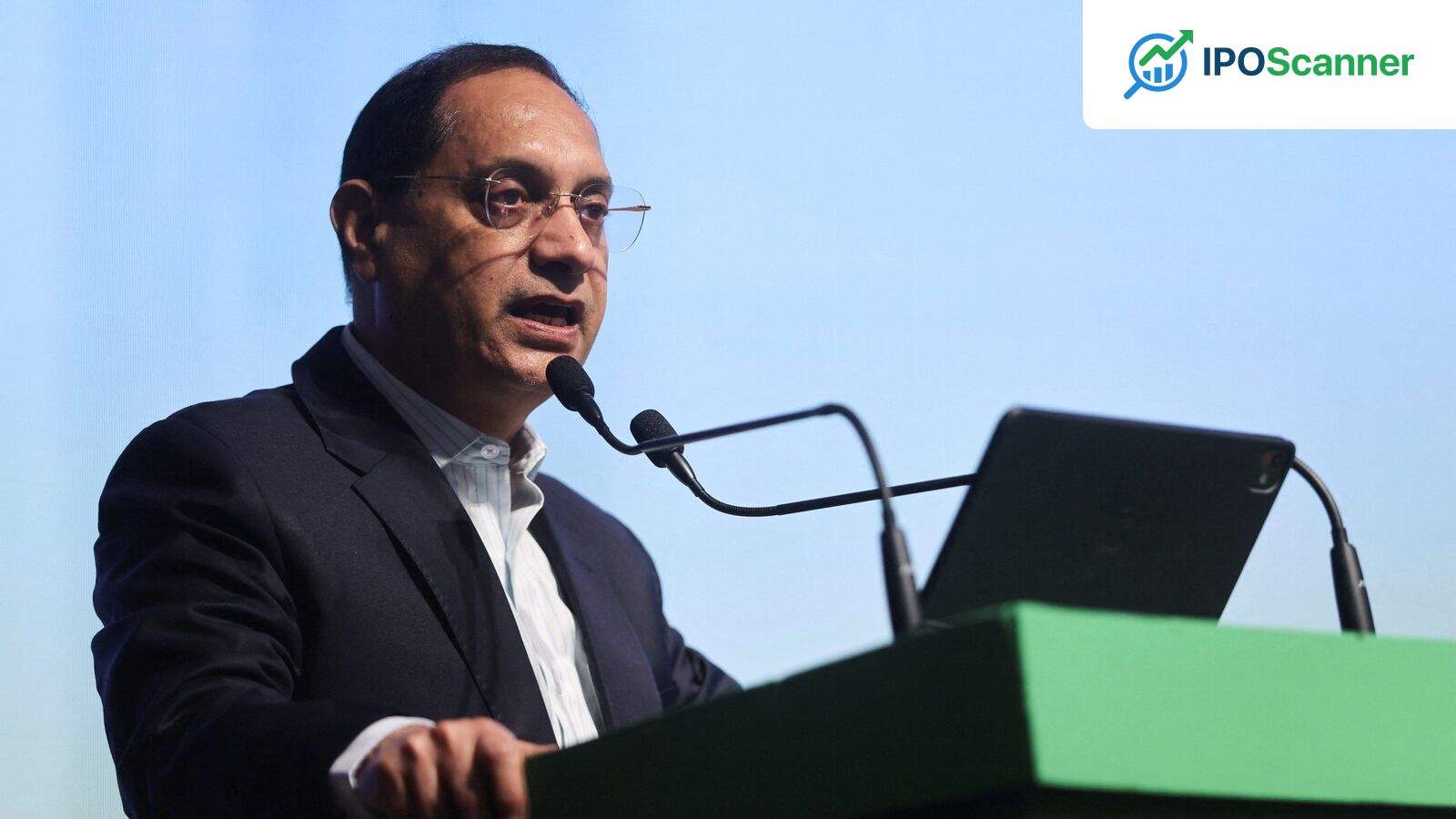
Mumbai: The Securities and Exchange Board of India (Sebi) is exploring a pilot to tokenize corporate bonds as the regulator seeks to deepen India's debt markets. Sebi chairman Tuhin Kanta Pandey announced the plan on Tuesday at the Care Edge Debt Market Summit 2026 in Mumbai.
Tokenization refers to the conversion of real-world financial assets into digital tokens recorded on distributed ledger technology (DLT) systems such as blockchain networks. These networks allow multiple participants to record and synchronize data without a central authority. The pilot will test whether tokenization can deliver faster settlement, better traceability, automated servicing, and greater transparency.
Sebi plans to proceed cautiously, citing technological and operational risks. The regulator must balance the potential benefits of tokenization with the risks involved, particularly on the technological side. Sebi is already working with the Reserve Bank of India and the finance ministry on a market-making framework for the corporate bond market, which was announced in the Union Budget 2026.
Read also: Treasury Yields Experience Largest Increase in Two Weeks Following Release of Labor Market Data
India's Debt Market Infrastructure
India's debt market infrastructure currently has limited use of tokenization technology. However, depositories National Securities Depository Ltd (NSDL) and Central Depository Services Ltd (CDSL) already use blockchain-based systems to monitor security creation and covenant compliance in non-convertible securities. These systems track the lifecycle of corporate bonds digitally and reduce manual intervention and compliance risks.
Regulatory Reforms
Sebi is also planning to review disclosure norms for companies that have only debt listed on exchanges. The regulator may consider whether debt-only listed entities need the same rigor under LODR (Listing Obligations and Disclosure Requirements) regulations as equity listed companies. Separately, Sebi is planning a distinct category of brokers for bond markets, which could lower costs, reduce entry barriers, and encourage specialized intermediaries.
Read also: US-Iran Tensions Spark Uptick in Oil Prices Amid Global Market Decline
| Comparison of Debt Market Infrastructure | India | Global Average |
|---|---|---|
| Blockchain adoption | Limited | 50% |
| Automated servicing | 20% | 80% |
| Greater transparency | 15% | 60% |
| Faster settlement | 10% | 40% |
Note: The comparison table is based on available data and may not reflect the exact numbers mentioned in the article. The table is intended to provide a general idea of the differences between India's debt market infrastructure and global averages.
Investor Takeaway
Sebi is exploring tokenized corporate bonds to enhance Indian debt markets, which may lead to increased liquidity.
More in Economy

Treasury Yields Experience Largest Increase in Two Weeks Following Release of Labor Market Data

US-Iran Tensions Spark Uptick in Oil Prices Amid Global Market Decline

MoSPI Releases Uniform Norms for DDP Estimates with 2022-23 Base Year

