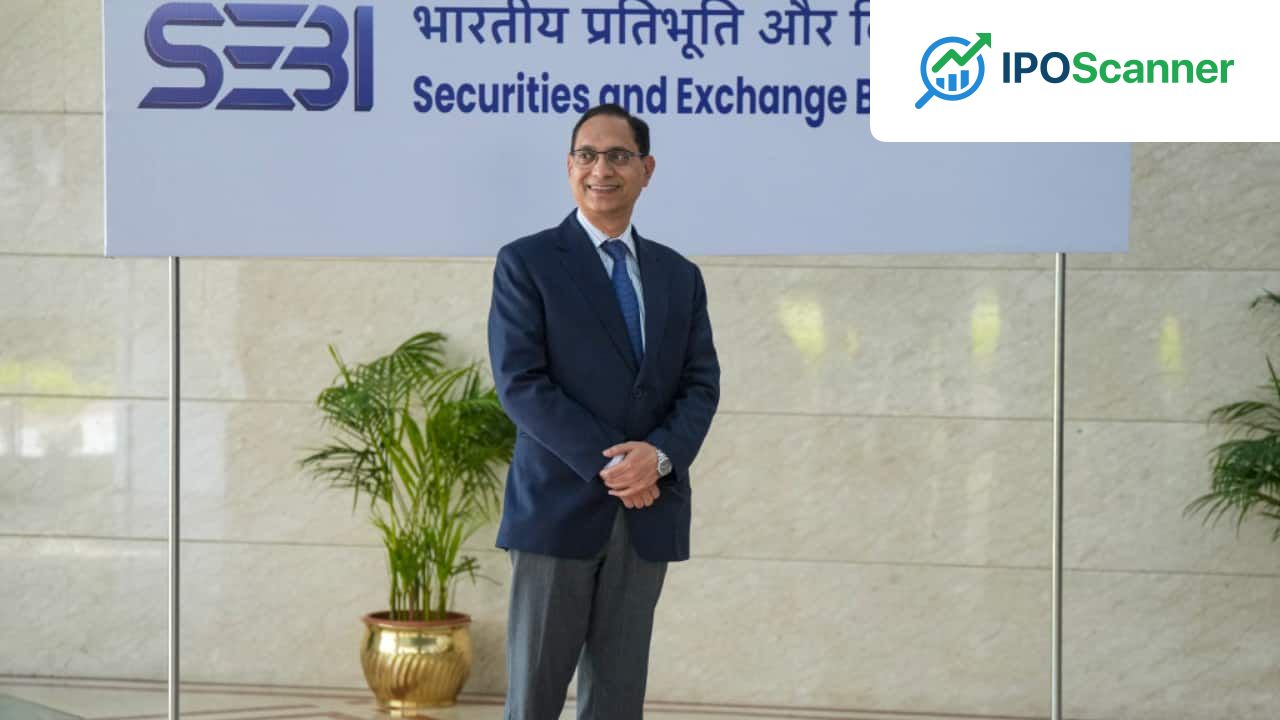
SEBI Chairman Highlights Regulators' Challenge in Addressing Boardroom Non-Compliances
Corporate Governance Gaps: A Function of Implementation, Not Regulation
Tuhin Kanta Pandey, a key figure in the corporate governance landscape, emphasized at the latest CII Corporate Governance Summit that the increasingly critical issue of governance gaps lies not in the absence of regulation, but in how rules are translated into practice within boardrooms.
Pandey highlighted the growing complexity of decision-making in today's business environment, marked by geopolitical disruptions, supply shocks, and technological change. As market participation broadens and expectations from boards increase, governance has become more critical. He noted that stakeholders now expect transparency not just in outcomes, but in intent, and that the current environment demands a more nuanced approach to governance.
A Comparison of Governance Frameworks and Their Effectiveness
Read also: Treasury Yields Experience Largest Increase in Two Weeks Following Release of Labor Market Data
| Governance Framework | Progress Made | Challenges Ahead |
|---|---|---|
| Disclosures | Improved periodic and event-based disclosures, clearer materiality thresholds | Ensuring deep interrogation of information |
| Board Structures | Strengthened roles for compliance functions | Ensuring independence translates into independent perspective |
| Accountability Mechanisms | Investor protection measures | Ensuring effective engagement within existing structures |
Pandey pointed to progress made in strengthening governance frameworks, including improvements in disclosures, board structures, accountability mechanisms, and investor protection measures. However, he emphasized that these do not automatically ensure outcomes. Boards may be well constituted, but not always easily accessible, and information may be available, but not always interrogated deeply.
The focus must shift to strengthening the quality of engagement within existing structures, rather than simply adding more layers. Pandey emphasized that corporate governance should not be seen only as a mechanism to prevent what can go wrong, but also as something that enables institutions to respond wisely when uncertainty arises.
The Role of Independent Directors
Read also: US-Iran Tensions Spark Uptick in Oil Prices Amid Global Market Decline
Pandey noted that the conversation around independent directors needs to move beyond who sits on the board to how effectively they contribute once they are there. He highlighted the wide spectrum in how independent directors function, from actively engaging, probing, and guiding, to remaining dependent on information presented by management.
Independent directors operate in a unique position, expected to provide oversight without being involved in day-to-day operations, and to challenge management while relying on information provided by it. Pandey emphasized that governance is not only about compliance, but also about risk management and financials, and that management must explain complex issues to the board in a constructive manner.
Capacity Building and Collaboration
Pandey outlined the need for a shift in boardroom approach, including moving from information to insight, from form to substance in independence, from periodic review to continuous awareness, and from compliance-driven discussions to value-driven conversations focused on long-term sustainability.
He emphasized the importance of capacity building of independent directors, particularly as boards deal with issues spanning technology, data governance, cyber risks, financial complexity, and regulatory developments. One-time induction is not sufficient, and continuous learning is required. Collaboration across industry, academia, and professional bodies can encourage, enable, and support this capacity building.
Pandey concluded that governance will remain an ongoing process, and that the question is not "what have we done enough," but "what should we do next?" How do we strengthen it? How do we build new risk management capability?
Investor Takeaway
Investors should focus on corporate governance and transparency in companies.
More in Market

Treasury Yields Experience Largest Increase in Two Weeks Following Release of Labor Market Data

US-Iran Tensions Spark Uptick in Oil Prices Amid Global Market Decline
Indian Stocks to Watch: BHEL, Agarwal Industrial, JBM Auto, Rajesh Exports, Indian Energy Exchange, Lenskart Solutions in Market Focus on June 4.