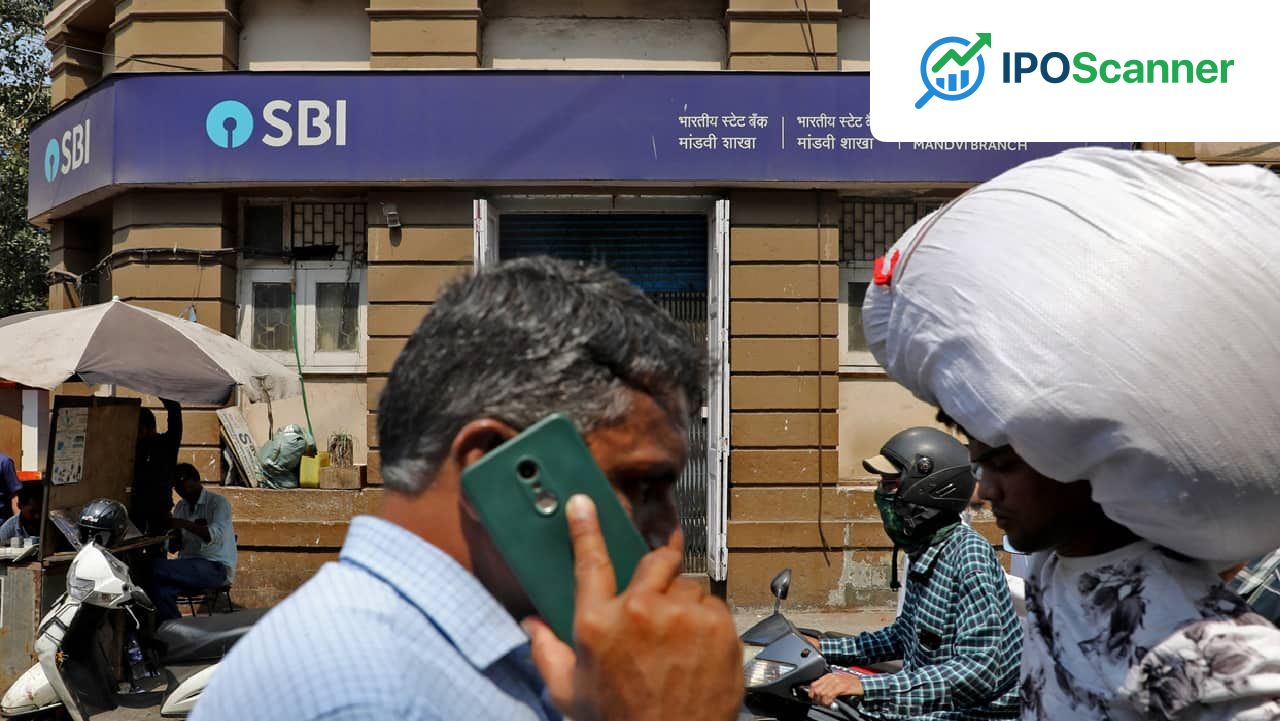
SBI Mutual Fund to Pursue Listing by September Timeline
India's Economic Resilience in the Face of Global Conflict
The ongoing global conflict has raised concerns about its impact on India's economy, particularly its $700 billion foreign exchange reserves, which can cover 10 months of import costs. However, SBI MD Rama Mohan Rao Amara notes that the situation has changed since February 27, with 80% of India's oil needs imported from the Gulf region and Strait of Hormuz.
GDP Growth Estimates
India's GDP growth estimates for FY27 are expected to be slightly lower due to the conflict, with a projected growth rate of 6.8-7%. If the conflict prolongs, the impact on the economy could be deeper, potentially affecting 0.5% of GDP.
Read also: Treasury Yields Experience Largest Increase in Two Weeks Following Release of Labor Market Data
Import-Intensive Industries
The conflict has already had a significant impact on import-intensive industries, including oil marketing companies, which have seen their margins turn negative. As these industries struggle to absorb the increased costs, they may be forced to pass on the costs to consumers, leading to higher inflation.
MSME Sector
The MSME sector, which contributes significantly to GDP and exports, is vulnerable to the conflict. SBI MD Rama Mohan Rao Amara notes that the ceramic cluster in Morbi, which produces 80% of India's tiles, has been severely impacted by the shortage of propane gas and LNG.
Read also: US-Iran Tensions Spark Uptick in Oil Prices Amid Global Market Decline
Government Support
The government has been proactive in supporting MSMEs, introducing measures such as credit guarantees and temporary moratoriums on installment payments. These measures have helped mitigate the impact of the conflict on the sector.
Key Takeaways
- India's $700 billion foreign exchange reserves can cover 10 months of import costs.
- The conflict has changed since February 27, with 80% of India's oil needs imported from the Gulf region and Strait of Hormuz.
- GDP growth estimates for FY27 are expected to be slightly lower, with a projected growth rate of 6.8-7%.
- Import-intensive industries are vulnerable to the conflict, with oil marketing companies seeing their margins turn negative.
- The MSME sector is vulnerable to the conflict, with the ceramic cluster in Morbi being severely impacted.
- The government has been proactive in supporting MSMEs, introducing measures such as credit guarantees and temporary moratoriums on installment payments.
Investor Takeaway
Investors should be cautious of potential economic downturn due to the ongoing conflict.
More in Economy

Treasury Yields Experience Largest Increase in Two Weeks Following Release of Labor Market Data

US-Iran Tensions Spark Uptick in Oil Prices Amid Global Market Decline

MoSPI Releases Uniform Norms for DDP Estimates with 2022-23 Base Year

