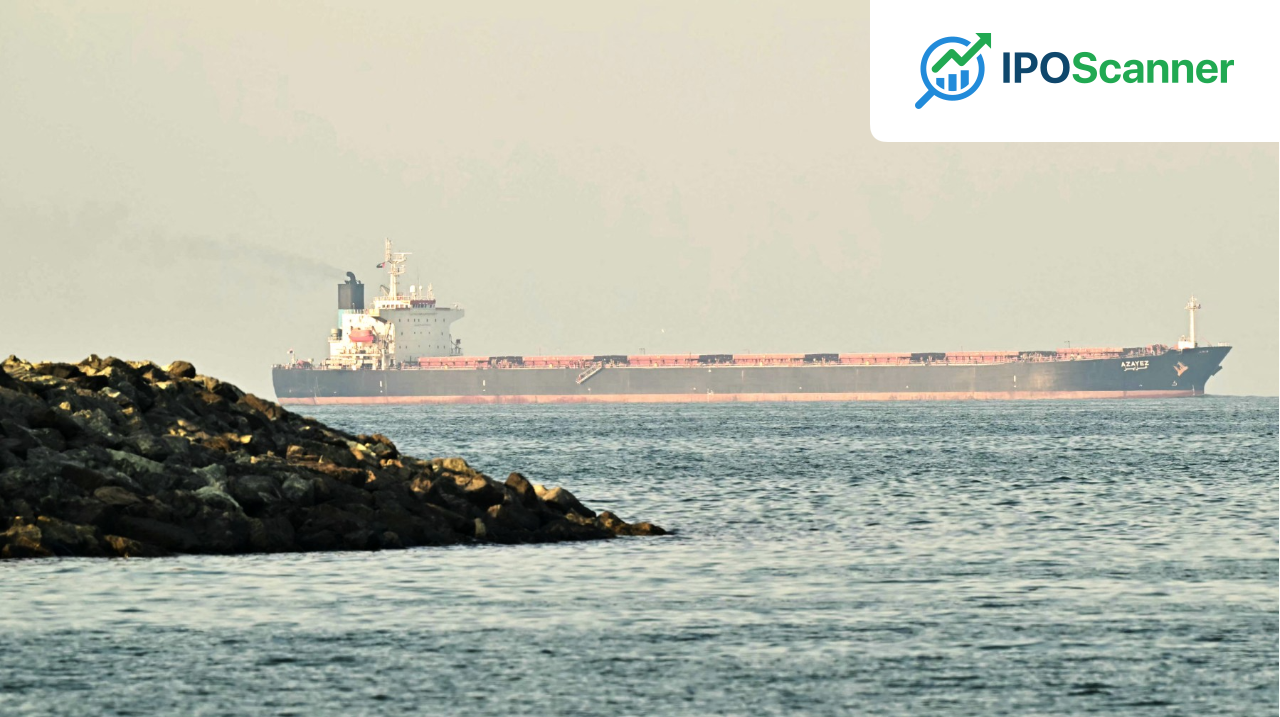
Saudi Arabia to Benefit from Surge in Global Oil Prices Following Disruption at Strait of Hormuz
Economic Rift Widens in Persian Gulf as Blockade of Strait of Hormuz Continues
The ongoing blockade of the Strait of Hormuz is exacerbating an economic divide among oil exporters in the Persian Gulf, with Saudi Arabia and Oman poised to reap a windfall while others, including the United Arab Emirates (UAE), face a significant drop in petrodollar income.
According to Goldman Sachs Group Inc., Saudi Arabia is gaining a revenue edge over most of its Gulf Arab neighbors as it is able to divert the bulk of crude exports to the Red Sea. Higher prices more than compensated for lost shipments through the strait, the investment bank estimates. In stark contrast, the UAE is likely suffering a steep drop in oil income, as its own detoured barrels only partially mitigate the impact from Hormuz's closure.
Goldman estimates that weekly oil revenue rose 10% relative to pre-war levels in Saudi Arabia, while it fell around 25% in the UAE, according to Middle East and North Africa analyst Farouk Soussa. This divergence may feed into the intensifying rivalry between the Middle East's two biggest economies, which was at the heart of the UAE's shock decision to quit OPEC this week. Free from quotas imposed by the Saudi-dominated group of oil-producing nations, the UAE can pump more oil and monetize its reserves before demand tapers off.
Read also: Treasury Yields Experience Largest Increase in Two Weeks Following Release of Labor Market Data
Since the war began in late February, Riyadh has rerouted around 4 million barrels of oil a day to its East-West pipeline, which connects fields to the port of Yanbu. The UAE ramped up oil shipments through its own pipeline that empties beyond Hormuz, loading about 2 million barrels each day in March, still only half what it was exporting in February.
Oman, with its main oil ports outside of the strait, hasn't had to cut exports and has seen its revenue surge by 80% since the conflict erupted, Goldman estimates. Kuwait, Qatar, Bahrain, and Iraq are in the worst positions, with their income from oil and natural gas cratering as they have little way of bypassing Hormuz.
| Country | Oil Revenue (Weekly) |
|---|---|
| Saudi Arabia | +10% (pre-war levels) |
| UAE | -25% (pre-war levels) |
| Oman | +80% (since conflict erupted) |
| Kuwait | - |
| Qatar | - |
| Bahrain | - |
| Iraq | - |
The difference in oil revenue is reflected in the performance of Gulf Cooperation Council (GCC) countries' stocks, with Omani and Saudi equities easily outperforming those of the other four states.
Read also: US-Iran Tensions Spark Uptick in Oil Prices Amid Global Market Decline
The financial implications for one of the world's most important energy-exporting regions are severe. The six GCC members are losing about $700 million in oil revenue every day the strait is closed, Goldman said in a separate note on March 20. It estimated that losses would reach $80 billion after two months.
Crude prices have jumped since the start of the Iran war, which led to an almost complete shutdown of the waterway through which a fifth of the world's oil exports previously transited. Global benchmark Brent traded above $126 a barrel on Thursday, the highest since the aftermath of Russia's invasion of Ukraine in 2022.
Oil revenues only partially reflect the fallout from war. Iran's airstrikes across the Gulf states, in retaliation for US-Israeli attacks, damaged their infrastructure and hit their non-oil economies as tourists and other visitors stayed away. Goldman estimates that the UAE's annualized fiscal surplus of 6% of gross domestic product before the war was almost entirely erased, while Saudi Arabia's deficit saw only a marginal improvement of 1 percentage point.
The war has led to Oman's fiscal balance swinging from a deficit of 7% of GDP to a surplus of 8%, according to Soussa. Bahrain, Qatar, and Kuwait have deficits of 17%, 20%, and 40% respectively, he estimates.
JPMorgan Chase & Co. sees the GCC's fiscal balance having deteriorated by around 3.6% of gross domestic product during the war.
If the blockade is lifted in the short term, Soussa notes that some of the damage to public finances may be reversed. Saudi Aramco's first-quarter corporate results, due on May 10, may offer more evidence of the kingdom's resilience. The oil giant is expected to post its highest profit since the third quarter of 2023, with net income estimated to hit $32 billion in the period.
Since the Iran war began, sovereign and corporate borrowers in Qatar and Kuwait, typically infrequent issuers in the global bond market, raised billions of dollars through private bond sales, data compiled by Bloomberg shows. Bahrain turned to the UAE for a currency swap of $5.4 billion. UAE issuers, including Abu Dhabi, also tapped markets, though less heavily than in the same period a year earlier. Saudi Arabia, usually the region's biggest borrower, scaled back issuances.
For the GCC as a whole, Goldman's Soussa estimates that the net government borrowing requirement has doubled from around $1.7 billion a week to $3.5 billion. "We think this will prompt authorities to continue to seek to optimize funding sources as long as the disruption lasts," he said.
Investor Takeaway
Investors should be aware of the potential impact of global oil price fluctuations on regional economies.
More in Economy

Treasury Yields Experience Largest Increase in Two Weeks Following Release of Labor Market Data

US-Iran Tensions Spark Uptick in Oil Prices Amid Global Market Decline

MoSPI Releases Uniform Norms for DDP Estimates with 2022-23 Base Year

