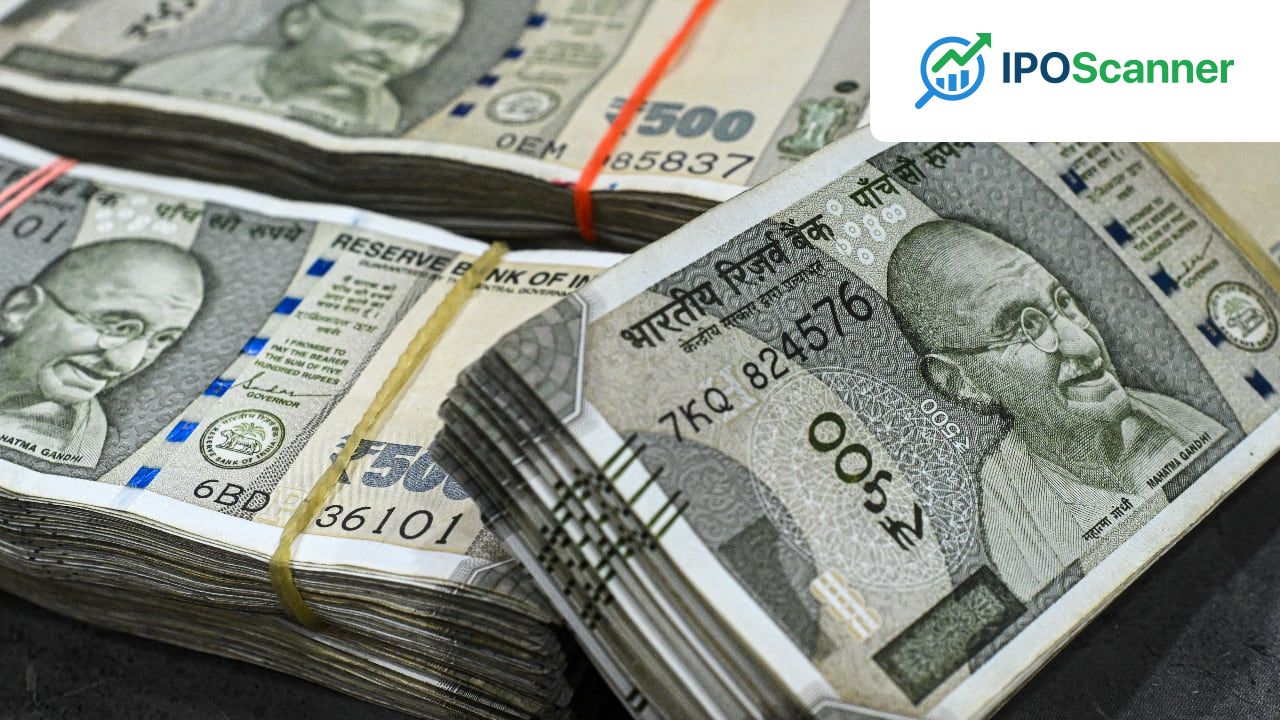
Rupee Under Pressure as Importers Hedge and Exporters Remain Reluctant
Rupee Weakness Persists Amid Elevated Oil Prices
The Indian rupee has continued its downward trajectory, declining more than 5% so far this year and hitting a record low of 95.4325 on Tuesday. The currency regained some ground on Wednesday, but the underlying concerns over elevated oil prices remain, keeping expectations of rupee depreciation entrenched.
The data from the Clearing Corporation of India Limited (CCIL) reveals a significant skew in hedging activity between importers and exporters. In April, importers booked forward hedges worth nearly $58 billion, while exporters' activity stood at about $24 billion.
A year-on-year comparison of hedging activity shows that importer hedging climbed nearly 52%, whereas exporter hedging rose by 15%. This trend has continued between January and April 2026, with importers booking $236.6 billion in forward hedges, far exceeding the $111.7 billion booked by exporters.
Read also: Treasury Yields Experience Largest Increase in Two Weeks Following Release of Labor Market Data
The imbalance in hedging activity is putting pressure on the rupee. Traders and analysts believe that the Reserve Bank of India (RBI) interventions can smooth volatility, but are unlikely to offset the adverse balance-of-payments dynamics that have anchored the rupee's weakness expectations. As a result, exporters have stayed away from the foreign exchange market.
| Hedging Activity | Importers | Exporters |
|---|---|---|
| April 2026 | $58 billion | $24 billion |
| Year-on-year growth | 52% | 15% |
| Jan-Apr 2026 | $236.6 billion | $111.7 billion |
Investor Takeaway
The rupee's decline may continue due to importer-exporter hedging activity and elevated oil prices.
More in Economy

Treasury Yields Experience Largest Increase in Two Weeks Following Release of Labor Market Data

US-Iran Tensions Spark Uptick in Oil Prices Amid Global Market Decline

MoSPI Releases Uniform Norms for DDP Estimates with 2022-23 Base Year

