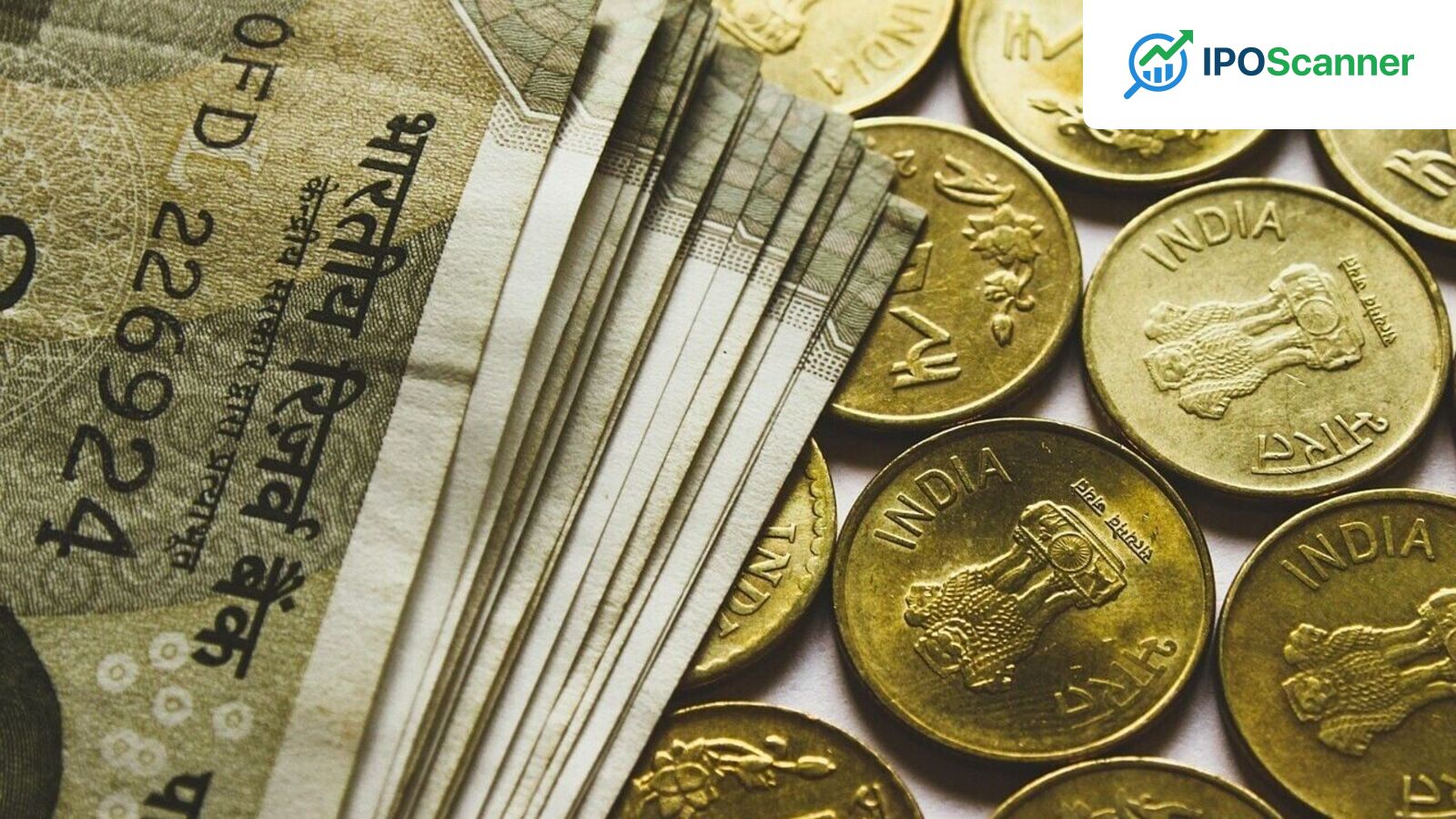
Rupee Starts Trading at 92.95 Against US Dollar, Gains 25 Paise
Indian Rupee Rises 25 Paise Against US Dollar Amid RBI's Intervention
The Indian rupee opened 25 paise higher at 92.95 against the US dollar on Friday, April 17, supported by reports that the Reserve Bank of India (RBI) has taken steps to limit the impact of dollar demand from state-run oil refiners.
According to a Reuters report, the central bank has urged refiners to reduce spot dollar purchases and instead utilize a special credit line to meet their foreign exchange requirements. This approach mirrors measures adopted during the Russia-Ukraine conflict to stabilize the currency amid rising oil prices. State-run refiners have been advised to meet their daily payment obligations by accessing dollar credit lines through State Bank of India, as per the report.
Experts note that the RBI has once again stepped in to support the rupee by deploying familiar measures used during past crises. The central bank has reportedly asked state-run oil companies to scale back spot dollar purchases and instead rely on a special credit line—a strategy previously adopted during the Ukraine conflict. This move is significant because oil companies are among the largest buyers of dollars in India, and any reduction in their spot demand can help ease immediate pressure on the currency.
Read also: Treasury Yields Experience Largest Increase in Two Weeks Following Release of Labor Market Data
The RBI's actions, along with earlier steps such as tighter net open position (NOP) limits and curbs on offshore trading, underscore a clear intent by the central bank to actively manage and stabilize the rupee amid a challenging global environment. Global markets have been under sustained pressure in recent weeks, largely due to the Iran conflict pushing oil prices higher and boosting safe-haven demand for the US dollar. However, sentiment now appears to be shifting.
According to experts, optimism is building that the conflict may ease, with comments from Donald Trump suggesting the situation is "close to over" and indicating the possibility of renewed talks. This has improved overall market mood, with investors beginning to price in a potential de-escalation. As a result, oil prices have remained below the key $100 per barrel mark, offering relief to oil-importing countries like India, while global equities have started to recover, signaling a return of risk appetite.
The dollar, too, has lost some momentum. The dollar index is hovering near 98, close to pre-conflict levels, reflecting easing risk aversion. Additionally, weaker US data—particularly a 0.5% contraction in industrial production in March—has further weighed on the dollar. Experts note that softer global growth tends to reduce dollar demand, providing some support to currencies like the rupee.
Rupee Outlook
Read also: US-Iran Tensions Spark Uptick in Oil Prices Amid Global Market Decline
Amit Pabari, MD, Research Team of CR Forex Advisors, expects the rupee to find support in the 92.20-92.50 zone. On the upside, a gradual move towards 93.50-94.00 remains likely.
Investor Takeaway
The RBI's measures to limit dollar demand from state-run oil refiners may support the rupee in the short term.
More in Economy

Treasury Yields Experience Largest Increase in Two Weeks Following Release of Labor Market Data

US-Iran Tensions Spark Uptick in Oil Prices Amid Global Market Decline

MoSPI Releases Uniform Norms for DDP Estimates with 2022-23 Base Year

