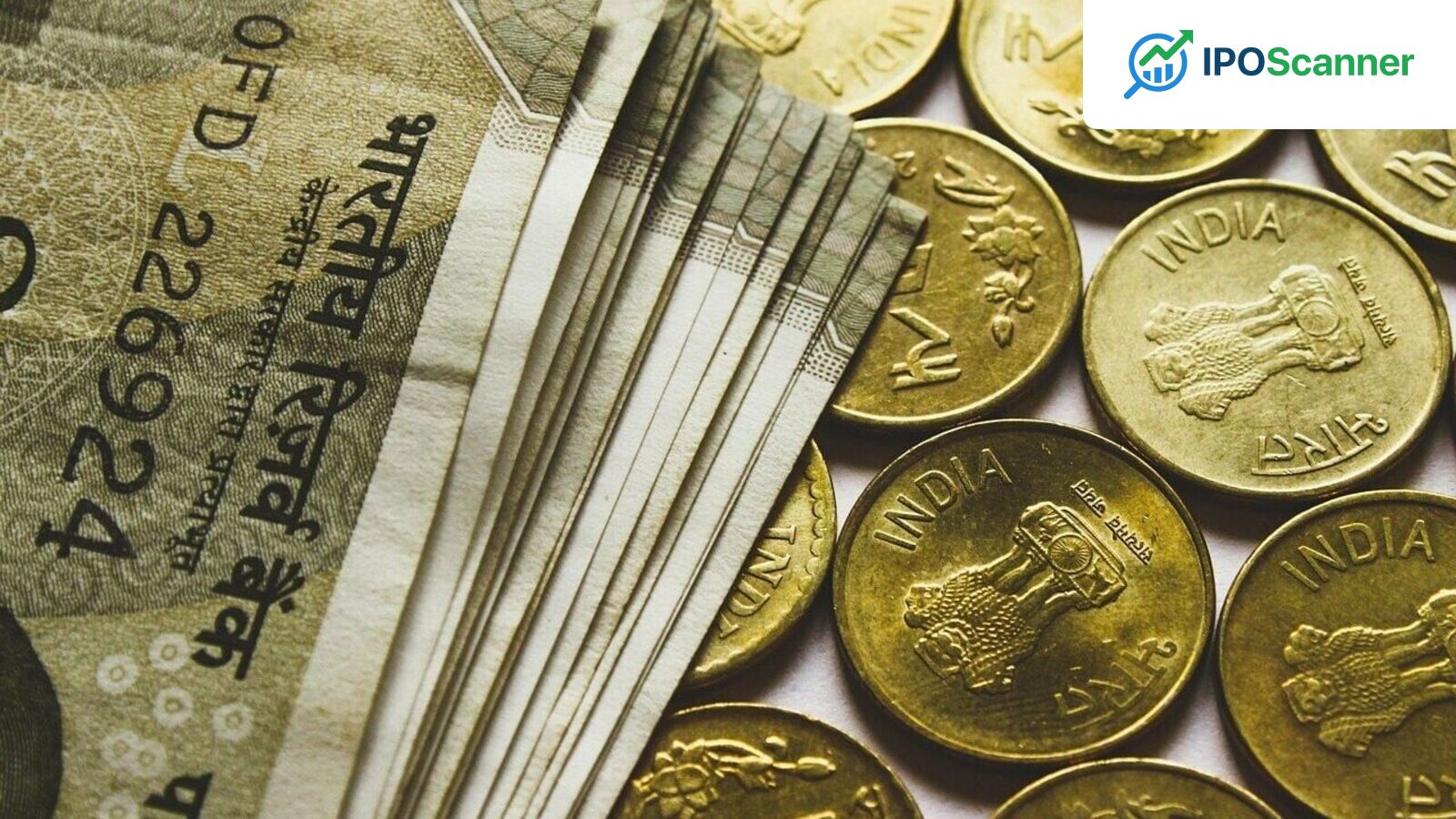
Rupee Gains 9 Paise to 93.28 Against US Dollar Amid US-Iran Peace Talks Developments
Indian Rupee Stabilizes Amid Optimism Over Iran Ceasefire
The Indian rupee opened 9 paise higher at 93.28 against the US dollar on Thursday, April 16, as optimism around a potential Iran ceasefire offered support, though gains were capped by persistent dollar demand from importers and companies with overseas borrowings.
In recent sessions, the rupee has largely stabilized around the 93 level, with intraday movements remaining limited to a narrow 30–35 paisa range and openings generally subdued. Analysts attribute this stability to hopes for a prolonged truce between the US and Iran, which have diminished fears of additional geopolitical tensions contributing to the stabilization of global markets.
However, persistent dollar purchases—particularly from oil marketing firms—have limited further gains. Despite declining crude oil prices offering some respite by reducing pressure on India's import expenses, this has been largely counterbalanced by hedging activities and consistent demand for the dollar, resulting in the rupee remaining within a fixed range.
Read also: Treasury Yields Experience Largest Increase in Two Weeks Following Release of Labor Market Data
| Market | Previous Quarter | Current Quarter |
|---|---|---|
| Crude Oil Price (USD per Barrel) | 63.42 | 63.11 |
| India's Import Expenses | 92.13 billion | 91.85 billion |
| Rupee vs USD | 93.35 | 93.28 |
The Strait of Hormuz continues to remain a critical chokepoint for global oil supply, and any disruption could quickly reverse the current stability in prices. While diplomatic efforts are underway, the outcome of these talks will be crucial in determining the near-term direction of oil markets. Even if a ceasefire is achieved, experts caution that oil prices may not ease immediately, as supply chains and logistics will take time to rebalance.
For an oil-import-dependent country like India, the equation remains straightforward: higher oil prices lead to increased dollar demand, which in turn puts pressure on the rupee. Despite some easing in global concerns, domestic factors have added to the challenge. India's wholesale inflation surged to 3.88% in March from 2.13% in February, exceeding expectations of 3% and marking the fastest pace of increase in over two years, reflecting rising cost pressures in the economy.
According to Amit Pabari, MD, Research Team, CR Forex Advisors, while the immediate geopolitical stress has eased, the underlying risks haven't disappeared, especially with oil and inflation still in play. This creates a market that is calm on the surface, but cautious underneath. Pabari forecasts that USD/INR is likely to find a firm base in the 92.20–92.50 zone. On the upside, the pair may gradually edge higher towards 93.50–94.00 levels as the market rebuilds its directional bias.
Read also: US-Iran Tensions Spark Uptick in Oil Prices Amid Global Market Decline
More in Economy

Treasury Yields Experience Largest Increase in Two Weeks Following Release of Labor Market Data

US-Iran Tensions Spark Uptick in Oil Prices Amid Global Market Decline

MoSPI Releases Uniform Norms for DDP Estimates with 2022-23 Base Year

