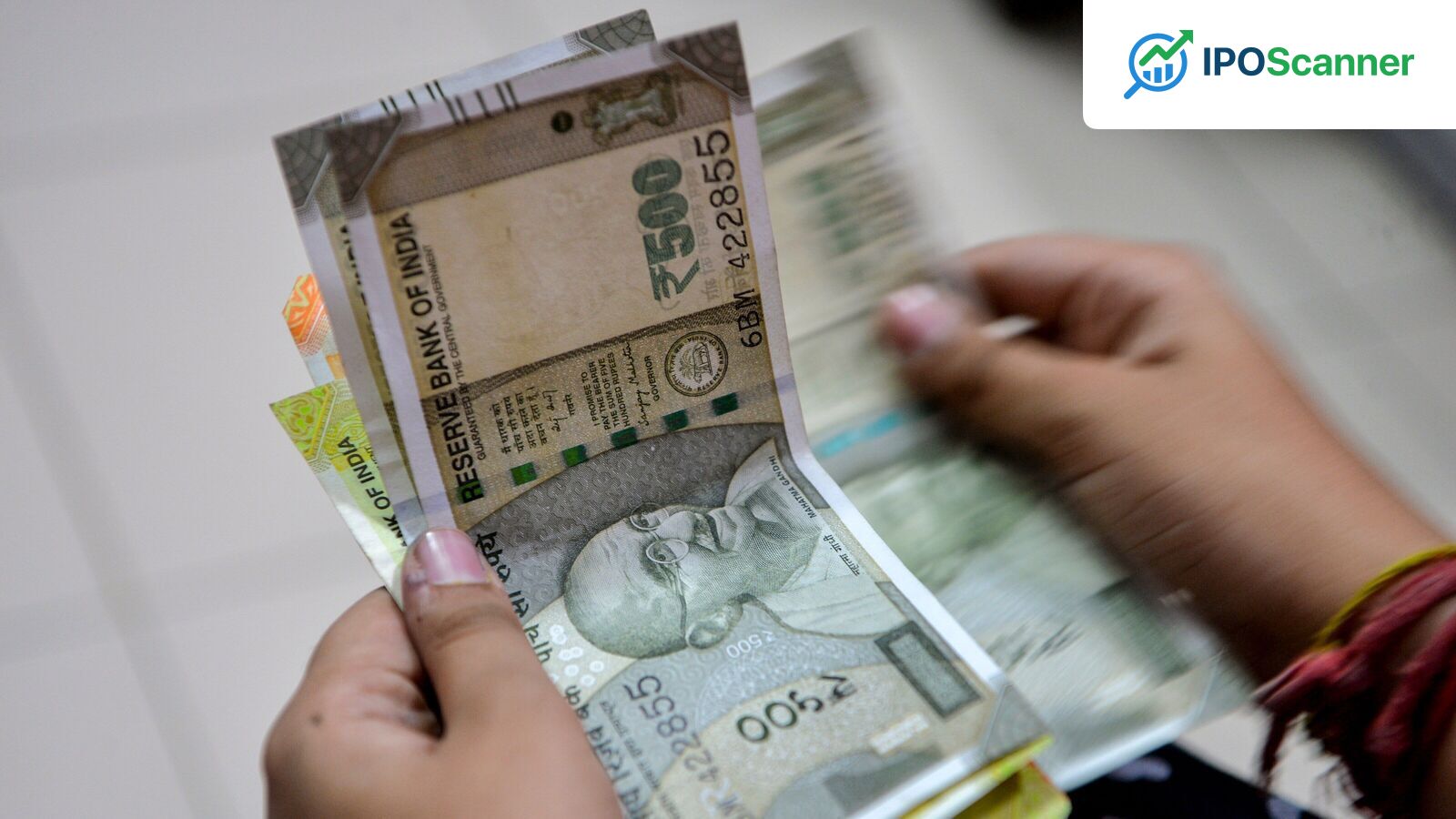
Rupee Falls to New Low Amid Crude Oil Price Surge, Potential Central Bank Intervention Looms
Indian Rupee Falls to All-Time Low of 92.48 Against Dollar
The Indian rupee hit an all-time low of 92.48 against the US dollar on Friday, weighed down by a surge in crude oil prices due to the ongoing US-Iran war and a sharp fall in equities. The Reserve Bank of India (RBI) likely intervened to support the rupee, helping to avert a sharper decline, according to foreign exchange dealers.
Market Performance
The local currency opened at 92.3425 per US dollar and touched an intraday low of 92.4788 before closing at 91.1975 on Friday. The benchmark Sensex shed nearly 1,500 points, or about 2%, to settle at 74,563.92 as worsening tensions in West Asia sparked a sell-off.
Read also: Treasury Yields Experience Largest Increase in Two Weeks Following Release of Labor Market Data
Economic Impact
India is one of the world's largest crude importers and is highly sensitive to oil price spikes. Higher crude prices raise its import bill and subsidy burden, strain the current account and government finances, hurting the rupee. The 10-year benchmark government bond yield rose as much as five basis points to 6.72%, but eased after the RBI conducted ₹50,000-crore open market bond purchases.
Outlook
The outlook for the rupee remains cautious due to the risk of crude prices staying high, which could create macroeconomic challenges for the Indian economy. In the near term, the rupee is expected to trade within a range of 91.90–92.80, with crude price movements and dollar index trends remaining key drivers.
Read also: US-Iran Tensions Spark Uptick in Oil Prices Amid Global Market Decline
RBI Intervention
Market participants believe that the RBI has likely been intervening frequently in the foreign exchange market to smooth volatility rather than defend a specific level. The central bank's intervention has helped to avert a sharper decline in the rupee.
Near-Term Expectations
Dealers expect the rupee to trade in a 92–93 per dollar range in the near term, with the possibility of testing 93-93.50 if the West Asia tensions escalate. However, they expect the currency to stabilise once geopolitical risks ease.
Investor Takeaway
Investors should be cautious of potential market volatility due to geopolitical tensions and currency fluctuations.
More in Economy

Treasury Yields Experience Largest Increase in Two Weeks Following Release of Labor Market Data

US-Iran Tensions Spark Uptick in Oil Prices Amid Global Market Decline

MoSPI Releases Uniform Norms for DDP Estimates with 2022-23 Base Year

