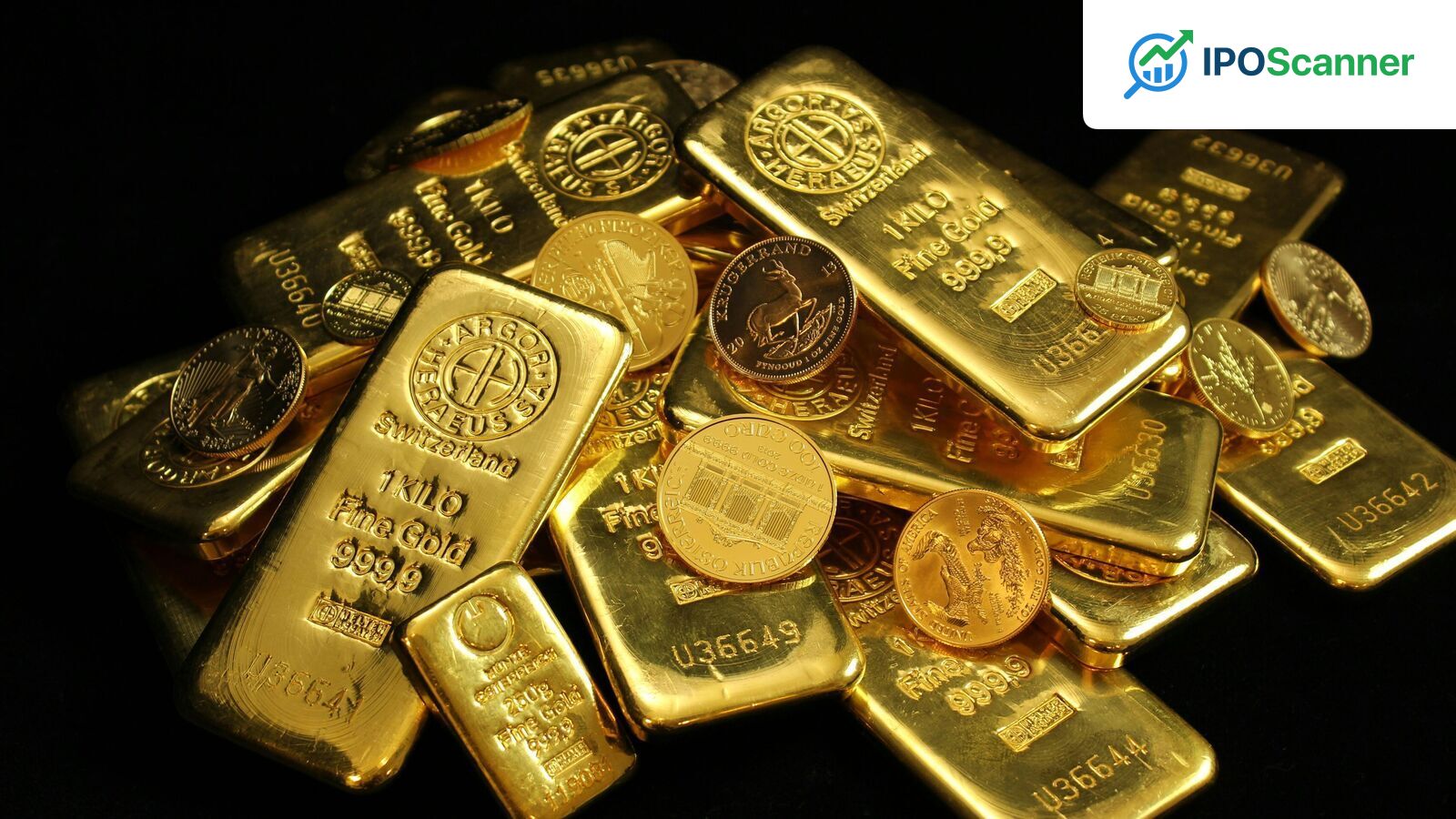
Rising Oil Prices Weigh on Gold Prices, Prompting Investment Dilemma
Global Gold Prices Decline by Over 10% Since US-Iran War Onset
Precious metals have declined by over 10% globally since the onset of the US-Iran war on February 28. A key reason behind this drop has been the surge in crude oil prices. Domestic spot gold prices have fallen by around 5% since the onset of the US-Iran war, according to MCX data.
Year-to-Date Performance
| Year-to-Date Basis | 2026 |
|---|---|
| Increase in Gold Prices | 14% |
| 2025 Increase in Gold Prices | 75% |
On Monday, gold prices fell sharply on the Multi-Commodity Exchange of India, weighed down by a stronger US dollar and as rising tensions around the Strait of Hormuz pushed oil prices higher and rekindled inflation worries. Gold futures for June 2026 delivery were down ₹1,590, or 1%, to ₹1,53,018 per 10 grams.
Read also: Treasury Yields Experience Largest Increase in Two Weeks Following Release of Labor Market Data
Internationally, spot gold declined 0.4% to $4,809.71 per ounce, after touching its lowest level since April 13 earlier in the session. US gold futures for June delivery dropped 1% to $4,829.40.
The current decline in gold prices can be attributed to the surge in Brent crude prices, which crossed the $95 per barrel level, following reports that Iran has once again shut the Strait of Hormuz. A rise in crude oil prices typically boosts demand for the US dollar, since oil is predominantly traded in dollar terms. This strengthens the currency and, in turn, puts downward pressure on gold prices, according to market experts.
The situation in West Asia remains highly fragile, with Iranian forces launching drone attacks on some US military vessels after the US seized an Iranian-flagged cargo ship attempting to bypass a naval blockade near the Strait of Hormuz. Tehran announced it will not take part in a second round of talks that the United States had planned to begin before the ceasefire ends on Tuesday.
The prolonged Iran conflict has caused a severe disruption in energy supplies, fuelling inflationary pressures and increasing the likelihood that central banks will keep interest rates unchanged or even hike them — a negative factor for non-yielding assets like bullion.
Read also: US-Iran Tensions Spark Uptick in Oil Prices Amid Global Market Decline
Buying Gold: A Long-Term Perspective Anuj Gupta, a SEBI-registered research analyst, believes that this is the right time to start investing in gold from a long-term perspective. Expectations of easing tensions between the United States and Iran could further support demand for the metal. Additionally, consistent gold purchases by China and steady inflows into gold ETFs are likely to provide continued support to gold prices.
Brokerage firm Axis Direct anticipates a potential upside of up to 15% in gold prices from the current base level in bullion, setting a target price range of ₹1,70,000 to ₹1,85,000 for 2026. The firm believes that the underlying pillars of demand-central bank accumulation, ETF inflows, and macro-economic hedging remain fully intact. Gold remains a fundamental portfolio necessity, according to the firm.
Investor Takeaway
Investors should be cautious of the impact of rising oil prices on gold prices and inflation worries.
More in Economy

Treasury Yields Experience Largest Increase in Two Weeks Following Release of Labor Market Data

US-Iran Tensions Spark Uptick in Oil Prices Amid Global Market Decline

MoSPI Releases Uniform Norms for DDP Estimates with 2022-23 Base Year

