Rising Fuel Prices Weigh on US Consideration of Iran Conflict Extension
US Oil Prices Spike Amid Iran Conflict
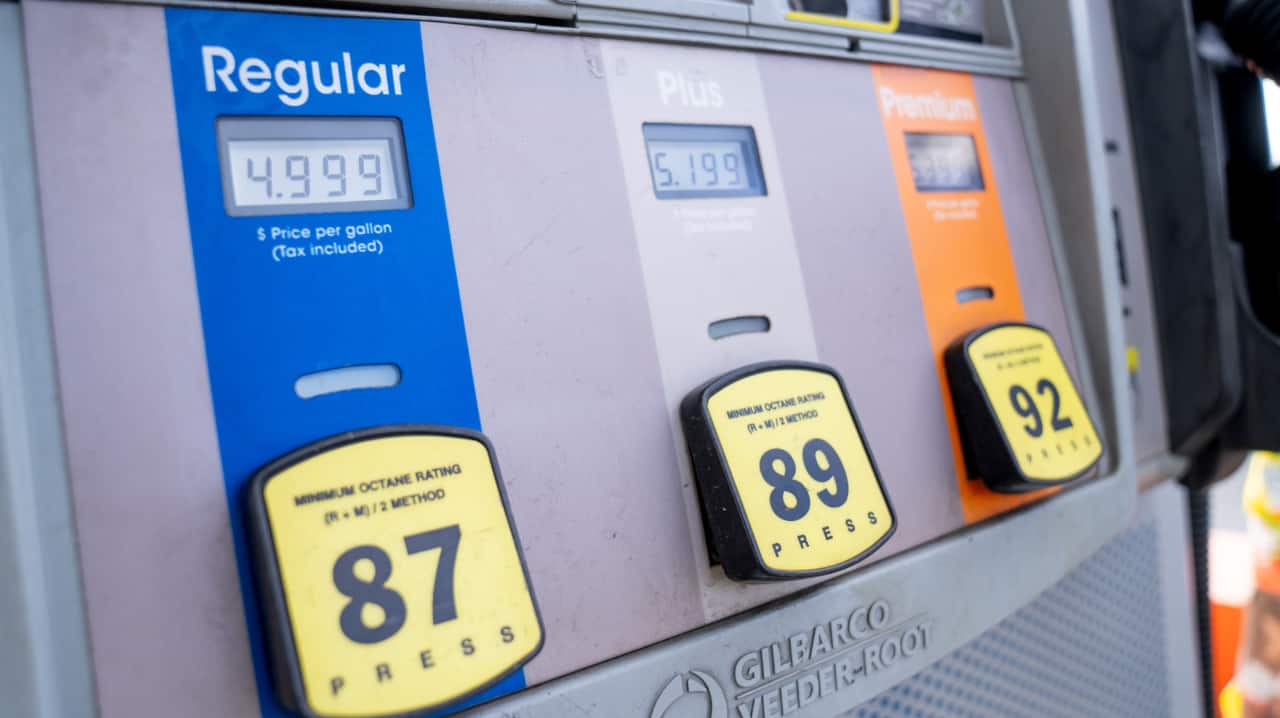
Global oil prices have surged over 20% in recent weeks, driven by the escalating conflict between the US and Iran. This has resulted in gasoline prices reaching a record high of $3.54 per gallon, up from $2.98 per gallon before the conflict began.
The Economic Impact
The prolonged spike in oil prices threatens to ripple through the economy, impacting various sectors including manufacturing, agriculture, and consumer spending. Brent crude, the global benchmark, was trading at around $89 per barrel on Tuesday. If oil prices endure at $83 per barrel for much of this year, it could erase the average American household's gains from tax refunds.
Read also: Treasury Yields Experience Largest Increase in Two Weeks Following Release of Labor Market Data
Tax Refunds and Business Tax Breaks
The administration's second-term legislation, which includes larger tax refunds and business tax breaks, may not be enough to offset the higher gasoline costs. Bloomberg Economics estimates that the average American household's gains from tax refunds could be wiped out if oil prices remain high.
Market Reaction
The president's comments on Monday, signaling a quick end to the conflict and promising to lift oil sanctions, seemed to soothe markets. Oil futures whipsawed below $90 per barrel on Monday after surging above $119 per barrel over the weekend.
Read also: US-Iran Tensions Spark Uptick in Oil Prices Amid Global Market Decline
Consumer Sentiment and Inflation Expectations
The cost of gasoline plays an outsize role in consumer sentiment and inflation expectations due to its visibility and commonality in daily expenses. Senator Rand Paul has warned that high oil prices will be a problem for fellow Republicans in the midterms, and Lance Bachmeier, a Kansas State University economics professor, notes that the impacts could be disproportionately felt by low- and middle-income consumers.
Historical Context
Experience shows that Americans can have a long memory for short-term pain at the pump. Former President Joe Biden experienced this firsthand in 2022 when prices surged after Russia's invasion of Ukraine. Kevin Book, managing director at ClearView Energy Partners, notes that higher energy prices hit many sectors of the economy, including manufacturing and agriculture.
Investor Takeaway
Investors should be cautious of potential market volatility due to rising fuel prices and geopolitical tensions.
More in Economy

Treasury Yields Experience Largest Increase in Two Weeks Following Release of Labor Market Data

US-Iran Tensions Spark Uptick in Oil Prices Amid Global Market Decline

MoSPI Releases Uniform Norms for DDP Estimates with 2022-23 Base Year

