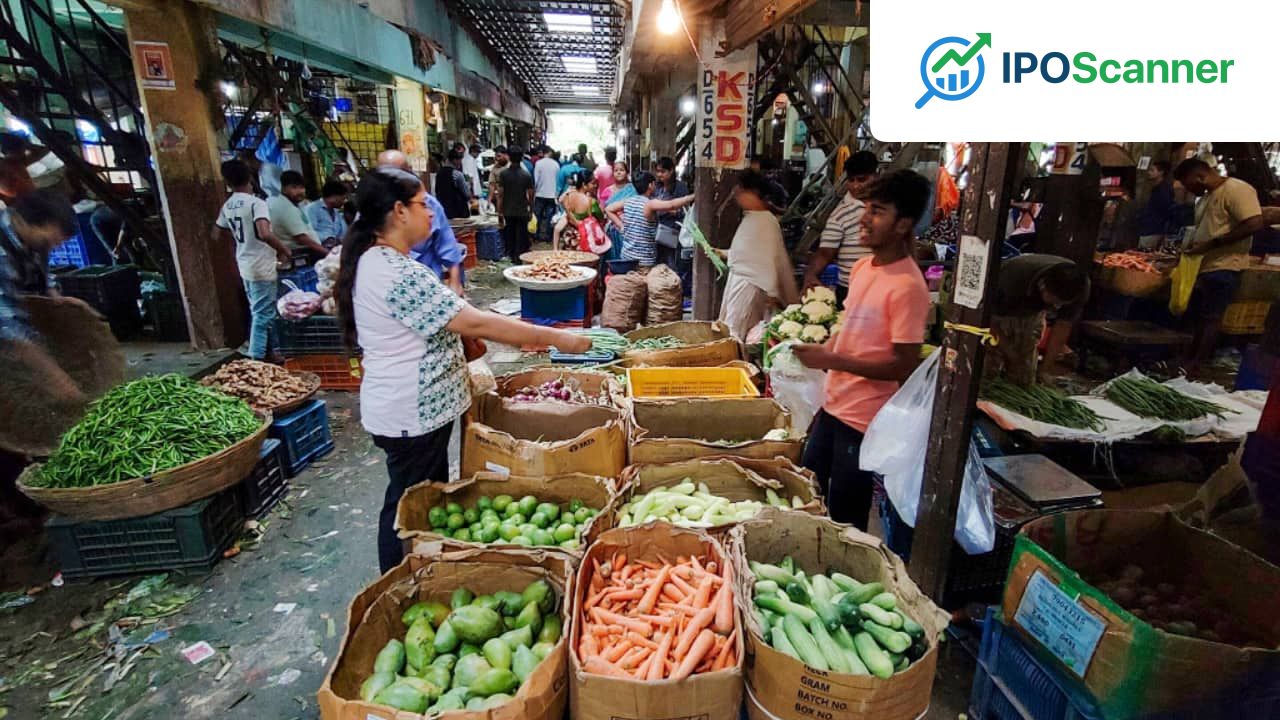
Retail Inflation Reaches 4-Month High in April, Reaching 3.48%
India's Retail Inflation Hits Four-Month High
India's retail inflation edged up to 3.48 percent in April, a four-month high, from 3.40 percent in March, according to data released by the Ministry of Statistics and Programme Implementation on May 12. This move brings India closer to the Reserve Bank of India's (RBI) 4 percent medium-term target, driven largely by food inflation, which rose to 4.2 percent in April from 3.87 percent in the previous month.
Food inflation was the primary driver of the increase, with rural food inflation standing at 4.26 percent and urban food inflation at 4.1 percent. A closer examination of the data reveals that price pressures were particularly evident in the food and personal care categories. Inflation in food and beverages stood at 4.01 percent, while restaurants and accommodation services recorded an inflation rate of 4.2 percent. The sharpest increase among major divisions came in personal care, social protection and miscellaneous goods and services, where inflation surged to 17.66 percent, driven in part by soaring prices of precious metals and jewelry.
Among individual items, silver jewelry remained the most inflationary component, with prices up 144.3 percent year-on-year in April. Gold, diamond, and platinum jewelry inflation was also elevated at 40.7 percent, while tomato prices rose 35.3 percent and coconut (copra) prices increased 44.6 percent.
Read also: Treasury Yields Experience Largest Increase in Two Weeks Following Release of Labor Market Data
On the other hand, falling vegetable prices continued to provide some relief. Potato prices were down 23.7 percent from a year earlier, and onion prices declined 17.7 percent, helping offset part of the increase in other food categories.
The latest data suggests that the long stretch of benign inflation may be facing new headwinds. Economists have warned that geopolitical tensions in West Asia and adverse weather conditions could put renewed pressure on prices in the months ahead. The outlook has become more uncertain following the India Meteorological Department's forecast of below-normal monsoon conditions, raising concerns that a Super El Niño event could affect agricultural output and tighten food supplies.
Energy prices remain another source of risk, with India's crude oil basket averaging around $105 per barrel in May, after touching $114 per barrel in April, well above the estimated FY26 average of about $77 per barrel. So far, the government has refrained from passing on higher global crude prices to consumers.
State-wise, inflation was highest among large states in Telangana, where consumer prices rose 5.81 percent, followed by Andhra Pradesh at 4.2 percent, Tamil Nadu at 4.18 percent, and Karnataka at 4 percent.
Read also: US-Iran Tensions Spark Uptick in Oil Prices Amid Global Market Decline
Despite these emerging pressures, inflation remains comfortably within the RBI's 2-6 percent tolerance band and below its 4 percent target, giving policymakers room to watch whether weather disruptions and higher oil prices translate into broader price increases.
Investor Takeaway
India's retail inflation is moving closer to the RBI's 4% medium-term target.
More in Economy

Treasury Yields Experience Largest Increase in Two Weeks Following Release of Labor Market Data

US-Iran Tensions Spark Uptick in Oil Prices Amid Global Market Decline

MoSPI Releases Uniform Norms for DDP Estimates with 2022-23 Base Year

