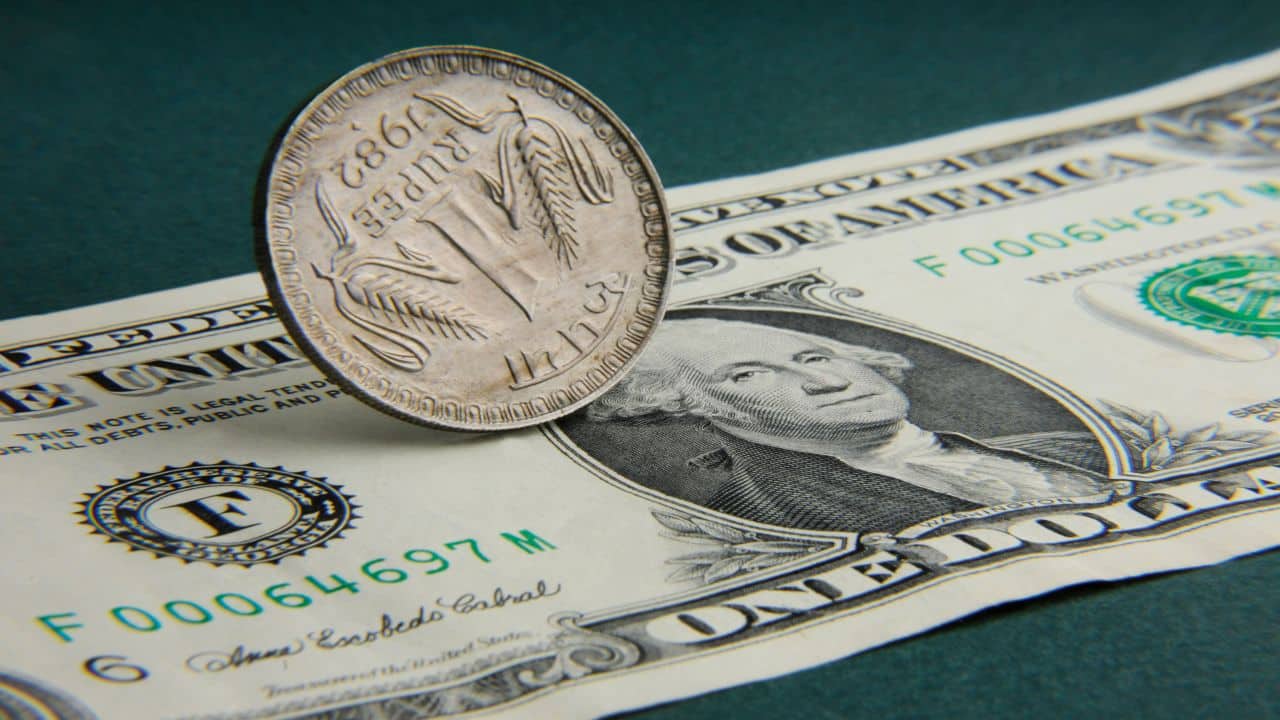
Resurgent India Bond: Can Dollar-Denominated Issue Help Shore Up Rupee?
Indian Rupee Depreciation and Capital Outflows
Current Situation
The Indian rupee has continued its downward trend, raising concerns about the country's economic growth. Despite the government's efforts to amend Press Note 3 and allow easier investments from neighboring countries, the rupee's woes persist. The RBI's foreign exchange reserves, currently standing at $728 billion, are sufficient to cover nearly 9 months of imports, even after netting out forward sales.
Capital Outflows
Read also: Treasury Yields Experience Largest Increase in Two Weeks Following Release of Labor Market Data
The steep decline in capital flows, from an average of $75 billion per year from 2020-2024 to a paltry $17 billion in FY25 and $0 in FY26, has been the primary cause of the rupee's depreciation. This is a rare phenomenon for India since the exchange rate became market-driven in 1992.
Historical Context
India has used several schemes in the past to shore up the rupee, including the Resurgent India Bonds issued to NRIs in 1998, the Millennium India Bonds issued in 2000, and the dollar-swap scheme of 2013. These schemes were successful in the past, and the question is whether it is time to dust them off again.
Economic Indicators
Read also: US-Iran Tensions Spark Uptick in Oil Prices Amid Global Market Decline
The country's current account deficit has been averaging just about 1% since FY20, and has been below 1% since FY24. However, the steep rupee depreciation in FY25, despite all EM currencies appreciating and the dollar depreciating 6%, suggests that foreign capital outflows are the primary cause of the pain.
Equity Market Performance
Indian stocks have underperformed global markets, with the Indian Nifty returning just 5% in the past 12 months, compared to over 20% returns from US indexes, and over 50% returns from Taiwan and Nikkei indexes.
Trade Deficit and Gold Imports
The high cost of crude and the likely impact on corporate margins have postponed the hope of a turnaround in earnings. Additionally, record gold imports due to increased demand for gold ETFs have widened the trade deficit and hurt sentiment. However, the craze for gold ETFs appears to have ebbed, providing some relief.
Investor Takeaway
Investors should consider the potential effectiveness of past schemes to shore up the rupee.
More in Economy

Treasury Yields Experience Largest Increase in Two Weeks Following Release of Labor Market Data

US-Iran Tensions Spark Uptick in Oil Prices Amid Global Market Decline

MoSPI Releases Uniform Norms for DDP Estimates with 2022-23 Base Year

