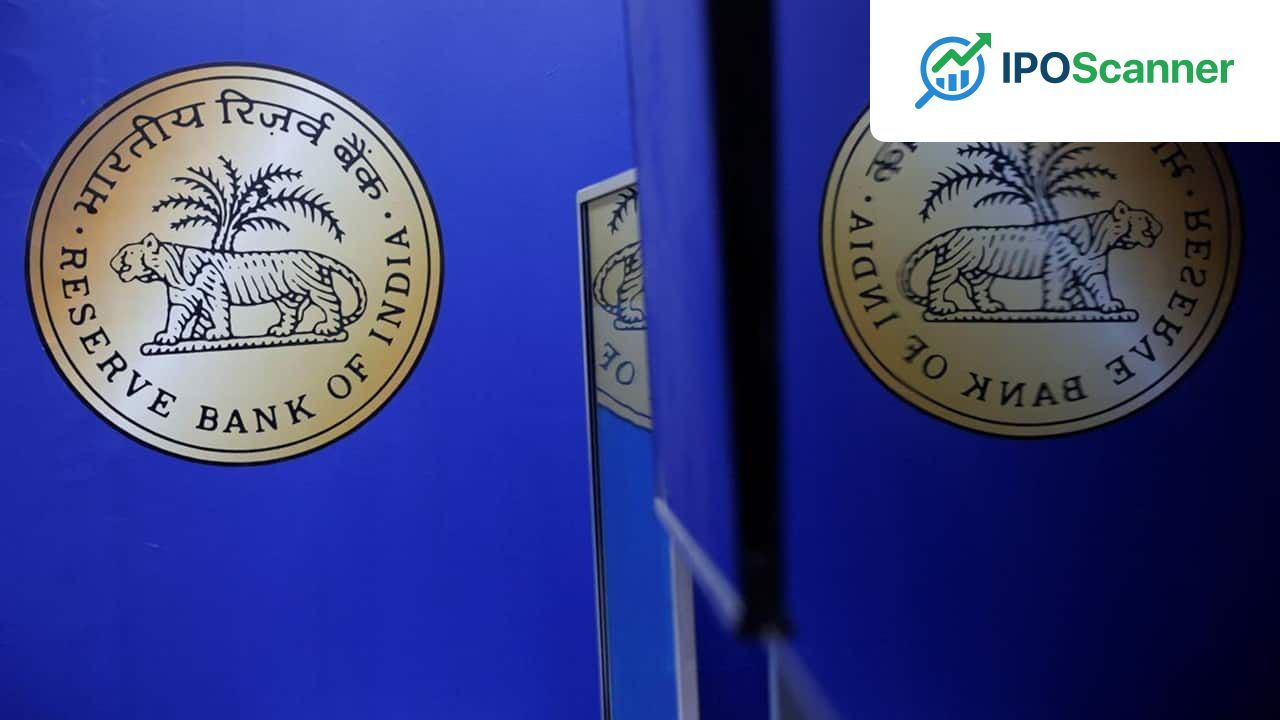
Reserve Bank of India's April Monetary Policy Committee Meeting: Key Takeaways to Watch
Reserve Bank of India Set to Announce Monetary Policy Decision on April 8
The Reserve Bank of India (RBI) is scheduled to announce its decision on repo rates on April 8, marking the first monetary policy meeting of the new fiscal year (FY27). This meeting will also be the first since the outbreak of the war in West Asia, which may influence the central bank's projections of growth and inflation.
Key Aspects to Watch Out For
In the upcoming policy review, the RBI will announce its projection for inflation in FY27. Most economists expect the Consumer Price Index (CPI) to range between 4 percent and 4.7 percent for the fiscal year. The RBI had previously projected FY26 CPI to come in at 2.1 percent, significantly lower. The central bank will also factor in the aftermath of the war in West Asia into its FY27 projections.
Read also: Treasury Yields Experience Largest Increase in Two Weeks Following Release of Labor Market Data
| Quarter | RBI Projection (FY26) | Economist Projection (FY27) |
|---|---|---|
| Q1 | 6.9% | 6.8% (Barclays) |
| Q2 | 7% | 7.6% (FY26) |
Growth projection for FY27 will also be a matter of interest in the policy review. Economists believe that growth in FY27 will moderate compared to FY26, taking into account the economic impact of the West Asia war. The RBI had earlier projected real GDP for Q1 FY27 and Q2 FY27 at 6.9 percent and 7 percent, respectively.
The RBI will also provide commentary on crude oil price assumptions. After the war broke out in late February, Brent crude oil prices surged to trade beyond $100 per barrel. Economists who had assumed oil prices would stay around $65 per barrel before the war broke out have now raised their forecasts that Brent crude oil could trade anywhere between $85 - $90 per barrel in the near term.
The RBI's recent directives to curb excessive speculation in the offshore non-deliverable forwards (NDF) markets have managed to bring back the rupee from a record low. On March 30, the rupee briefly crossed the psychological Rs 95 per dollar, suggesting that another currency management tool did not help in arresting the free fall of the rupee. The rupee staged a comeback on April 7 when it touched the Rs 93 per dollar level.
Read also: US-Iran Tensions Spark Uptick in Oil Prices Amid Global Market Decline
The RBI's liquidity management will also be closely watched. The central bank has routinely conducted liquidity management operations, such as Open Market Operations (OMO) purchases of government securities and Variable Rate Repo (VRR), to infuse more rupee into the system. In March, the RBI injected nearly Rs 2.4 lakh crore through VRR operations via different tranches. More such initiatives could be announced by the RBI to manage the impact on rupee liquidity.
Investor Takeaway
Investors should closely watch the RBI's decision on repo rates and inflation projections for FY27.
More in Economy

Treasury Yields Experience Largest Increase in Two Weeks Following Release of Labor Market Data

US-Iran Tensions Spark Uptick in Oil Prices Amid Global Market Decline

MoSPI Releases Uniform Norms for DDP Estimates with 2022-23 Base Year

