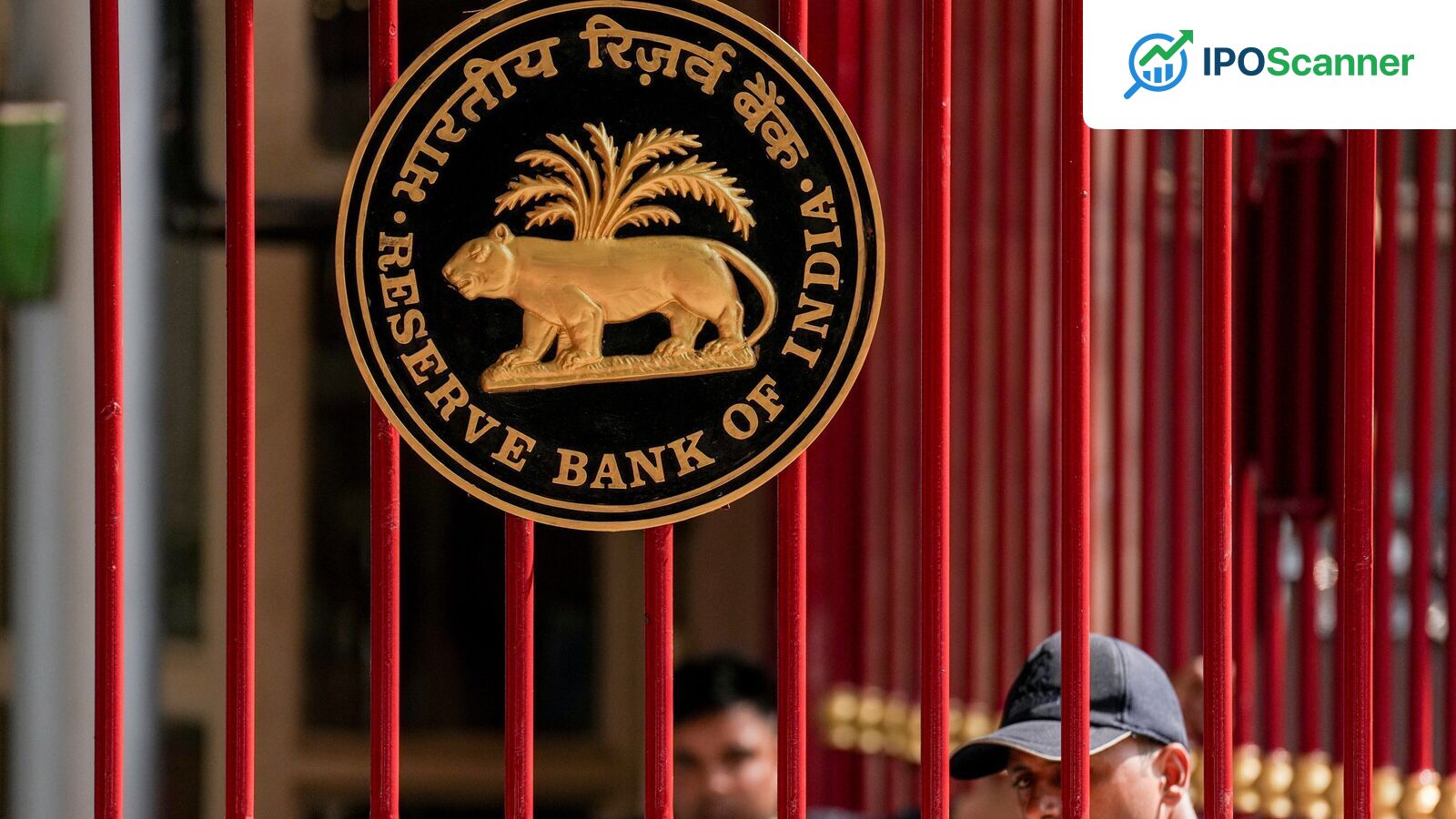
Reserve Bank of India to Transfer ₹2.87 Lakh Crore Dividend to the Central Government for Fiscal Year 2026
RBI to Transfer ₹2.87 Lakh Crore to Central Government for FY26
The Reserve Bank of India (RBI) announced on Friday, 22 May, that it will transfer ₹2.87 lakh crore to the central government for the accounting year 2025-26. This decision comes at a time when the domestic economy is facing the heat of elevated crude oil prices driven by the Middle East conflict.
The Central Board of Directors of the RBI met on Friday under the Chairmanship of Governor Sanjay Malhotra and approved the transfer of ₹2,86,588.46 crore to the central government. This amount is largely in line with expectations, as a Bloomberg report earlier suggested India's central bank was likely to transfer a record surplus of nearly ₹3 lakh crore ($31.2 billion) this week to the government.
The RBI's gross income increased by 26.42% over the previous year, while the expenditure before risk provisions increased by 27.60%. The RBI further said that the net income, before risk provision and transfer to statutory funds, aggregated ₹3,95,972.10 crore in FY26 against ₹3,13,455.77 crore in FY25. The balance sheet of the bank expanded by 20.61% to ₹91,97,121.08 crore as on March 31, 2026.
Read also: Treasury Yields Experience Largest Increase in Two Weeks Following Release of Labor Market Data
The RBI increased its dividend slightly this year, but its central board also decided to increase the size of the contingent risk buffer. The central board approved the transfer of ₹1,09,379.64 crore towards the CRB for FY26, up from ₹44,861.70 crore in the previous year.
| FY25 | FY26 | |
|---|---|---|
| Net Income (before risk provision and transfer to statutory funds) | ₹3,13,455.77 crore | ₹3,95,972.10 crore |
| Increase in Net Income | 26.42% | |
| Contingent Risk Buffer Transfer | ₹44,861.70 crore | ₹1,09,379.64 crore |
| Increase in Contingent Risk Buffer Transfer | 143.14% |
The central bank's dividend to the government will serve as a significant buffer for the Indian economy in times of elevated energy prices, which are straining the country's fiscal position due to an inflating import bill, a widening current account deficit, and an exacerbation of the foreign fund sell-off.
Every year, the central bank pays a dividend to the central government from income generated by its investments, foreign exchange holdings, and fees from printing currency notes.
Read also: US-Iran Tensions Spark Uptick in Oil Prices Amid Global Market Decline
More in Economy

Treasury Yields Experience Largest Increase in Two Weeks Following Release of Labor Market Data

US-Iran Tensions Spark Uptick in Oil Prices Amid Global Market Decline

MoSPI Releases Uniform Norms for DDP Estimates with 2022-23 Base Year

