Reliance Disposes of Unit to Former Associate, Raising Questions Over Related Party Transactions Regulation Compliance
Reliance Industries' Subsidiary Sale Raises Regulatory Concerns
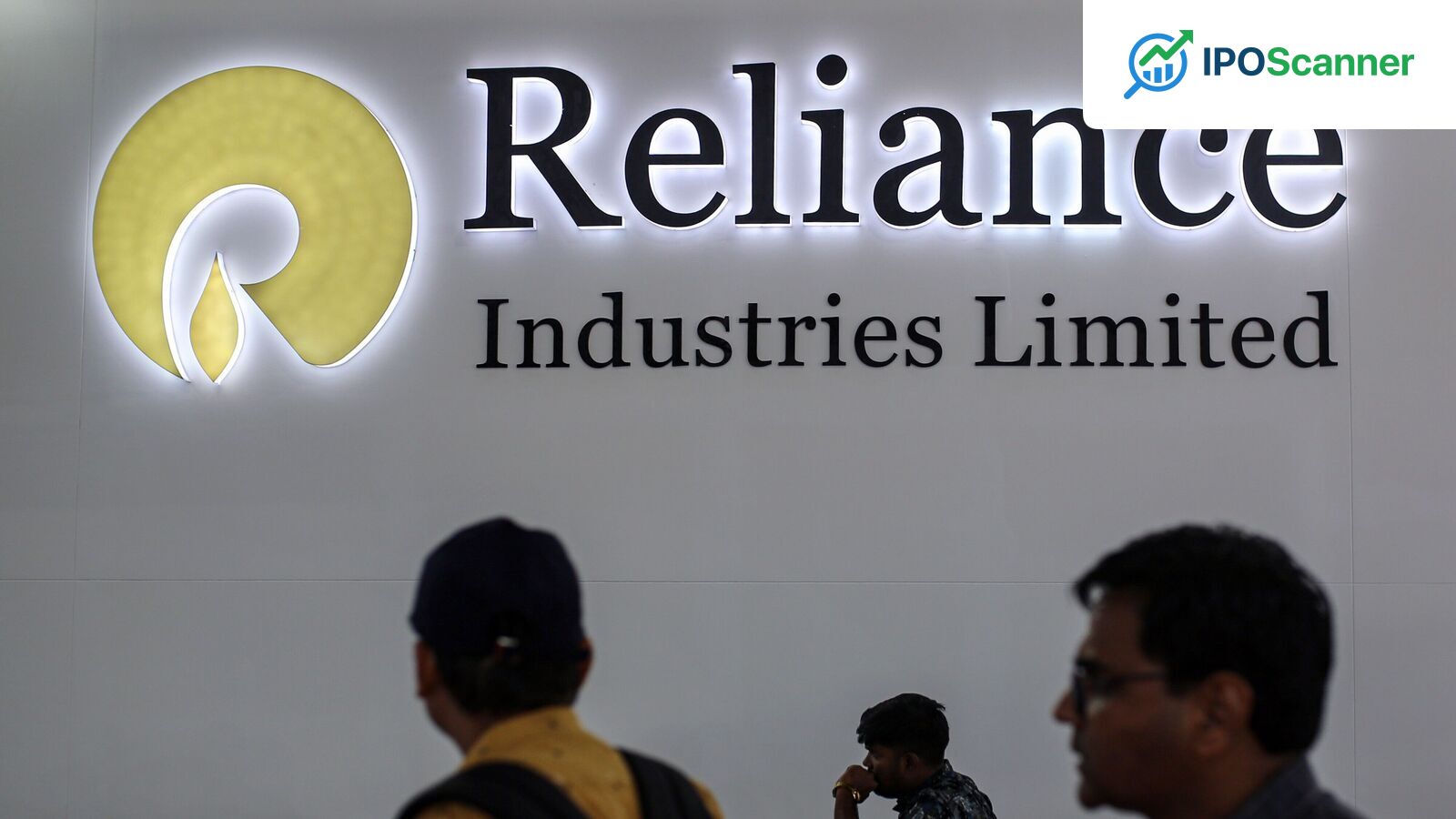
Reliance Industries Ltd's recent sale of a second-level step-down subsidiary to a little-known company has sparked concerns among legal and governance experts about the limits of regulation on related-party transactions. The move, while technically compliant with existing rules, may push the boundaries of regulatory oversight.
In a move that has raised eyebrows in the corporate world, Reliance Industries Ltd sold a second-level step-down subsidiary to a company with a relatively low profile. The subsidiary in question was owned by a holding company, which in turn was owned by Reliance Industries Ltd. The sale, while following the letter of the law, has left many wondering whether the company has skirted the spirit of regulatory requirements.
The sale highlights the need for closer scrutiny of related-party transactions. Related-party transactions, which involve transactions between entities that are related through common ownership, can often be complex and difficult to regulate. While the Indian government has implemented various regulations to prevent abuse, the recent sale by Reliance Industries Ltd suggests that there may be a need for more stringent rules.
Read also: Treasury Yields Experience Largest Increase in Two Weeks Following Release of Labor Market Data
| Company | Sale Value | Ownership Structure |
|---|---|---|
| Reliance Industries | - | Holding Company |
| Holding Company | - | Reliance Industries |
| Subsidiary | - | Holding Company |
| Buyer Company | - | - |
Key statistics:
- The value of the sale has not been disclosed
- The buyer company's identity and ownership structure remain unclear
- The sale has raised concerns about related-party transactions and regulatory oversight
The sale of the second-level step-down subsidiary raises questions about the effectiveness of regulatory frameworks in preventing related-party transactions. While the company may have technically complied with existing rules, the move highlights the need for closer scrutiny and more stringent regulations to prevent abuse.
Read also: US-Iran Tensions Spark Uptick in Oil Prices Amid Global Market Decline
Investor Takeaway
Investors should be cautious of related-party transactions and their potential impact on company valuations.
More in Market

Treasury Yields Experience Largest Increase in Two Weeks Following Release of Labor Market Data

US-Iran Tensions Spark Uptick in Oil Prices Amid Global Market Decline

Indian Stocks to Watch: BHEL, Agarwal Industrial, JBM Auto, Rajesh Exports, Indian Energy Exchange, Lenskart Solutions in Market Focus on June 4.