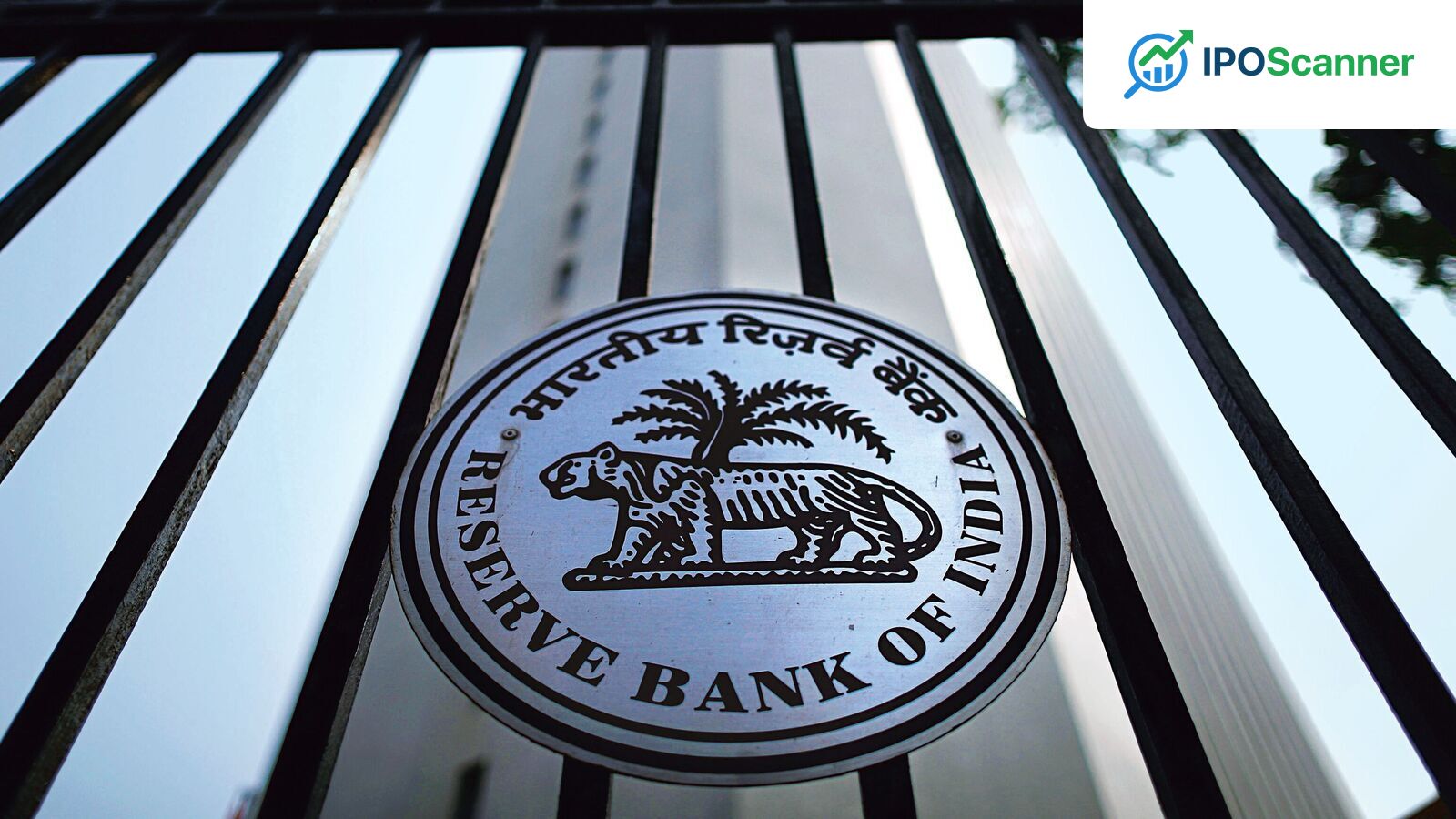
RBI's Forex Intervention Raises Questions on Market Sentiment and Currency Stability
RBI's Net Open Position Cap Reshapes Investor Behaviour
Mumbai: The Reserve Bank of India's (RBI) decision to cap banks' net open positions (NOP) at $100 million a day has sent shockwaves through the foreign exchange market, sparking concerns that it may also be reshaping investor behaviour and long-term perception of India's exchange rate regime.
Market participants are warning that the RBI's move, aimed at curbing speculative excesses, may have a profound impact on the way investors view India's currency market. The cap on net open positions is a significant development, as it limits the amount of foreign exchange that banks can hold in their accounts. This, in turn, may affect the liquidity and stability of the foreign exchange market.
The RBI's decision to cap banks' net open positions at $100 million a day is a key step in its efforts to regulate the foreign exchange market. By doing so, the RBI aims to prevent speculative activities that can lead to volatility in the exchange rate. While the move may be seen as a necessary step by some, others believe that it may have unintended consequences on investor behaviour and the overall perception of India's exchange rate regime.
Read also: Treasury Yields Experience Largest Increase in Two Weeks Following Release of Labor Market Data
Comparison of RBI's Previous and Current Net Open Position Caps
| Year | Net Open Position Cap |
|---|---|
| 2022 | No cap |
| 2023 | $100 million a day |
Note: The RBI has not provided a detailed breakdown of its previous net open position caps. However, it is reported that there was no cap in place in 2022.
Investor Takeaway
Investors should be cautious of the RBI's intervention and its potential impact on market sentiment and currency stability.
More in Economy

Treasury Yields Experience Largest Increase in Two Weeks Following Release of Labor Market Data

US-Iran Tensions Spark Uptick in Oil Prices Amid Global Market Decline

MoSPI Releases Uniform Norms for DDP Estimates with 2022-23 Base Year

