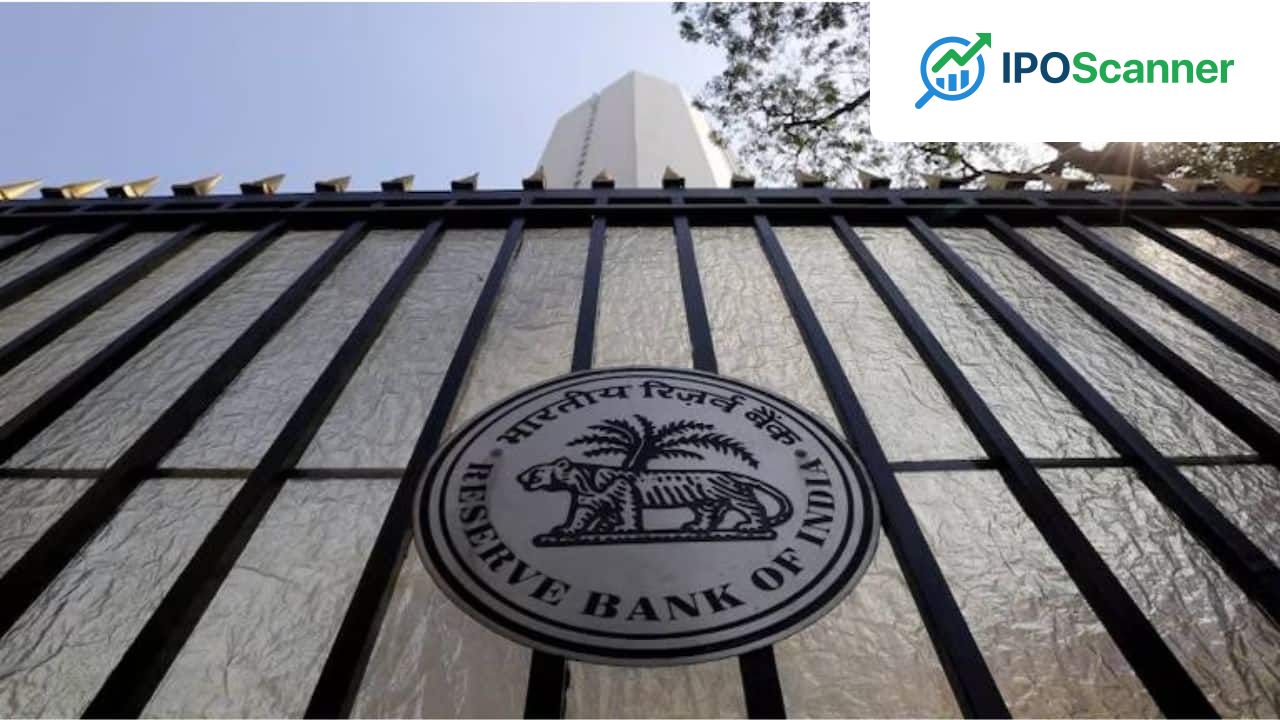
RBI May Refrain from Aggressive Intervention in Forex Market at 95 Rupees per US Dollar, Alternative Strategies Under Consideration
Indian Rupee Hits Record Low Amid Ongoing US-Iran Conflict and Surging Oil Prices
The Reserve Bank of India (RBI) is unlikely to deploy its foreign exchange reserves to defend the currency against a new record low, despite the ongoing US-Iran conflict and surging oil prices. Market participants and treasury officials suggest that the central bank will explore alternative options to shore up inflows in the currency market, rather than draining its FX reserves to maintain the Rs 95 per dollar level.
The rupee hit an all-time low of Rs 95.40 per dollar on May 5, following a prolonged period of depreciation, with Brent crude oil prices staying elevated beyond the $110 per barrel level. Market participants believe that the RBI will slow down the pace of depreciation, rather than allowing the currency to slide further.
Key Levels to Watch
Read also: Treasury Yields Experience Largest Increase in Two Weeks Following Release of Labor Market Data
Market analysts are closely monitoring the rupee's performance against the dollar, with key levels of Rs 95.50 per dollar and Rs 96 per dollar being closely watched. The RBI is likely to avoid a further decline in the currency, as the economic impact of rising oil prices and the ongoing US-Iran conflict begins to take hold.
Recent Developments
The rupee first breached the Rs 95 per dollar level on March 30, after the RBI introduced guidelines for the net open positions for the Indian rupee at $100 million. The currency subsequently appreciated, rising as high as Rs 92.50 per dollar. However, the RBI's decision to roll back restrictions in the offshore non-deliverable forwards (NDF) market has led to a sharp decline in the rupee's value.
RBI's Foreign Exchange Reserves
Read also: US-Iran Tensions Spark Uptick in Oil Prices Amid Global Market Decline
The RBI has foreign exchange reserves worth $698 billion, as of April 24. While this is down from the all-time high of about $728 billion, the central bank has shown signs of accumulating its reserves slowly in the last few weeks, suggesting that the RBI may have hit the brakes in aggressive dollar sales.
| Month | RBI's Dollar Purchases |
|---|---|
| February 2026 | $7.4 billion |
| January 2026 | $2.5 billion |
Measures to Stall the Rupee's Fall
The RBI is considering several measures to stabilize the rupee, including the reintroduction of the foreign currency non-resident (FCNR (B)) deposit route. This route, which was first introduced in 2013, led to inflows of about $30 billion into the market after the taper tantrum. The RBI is also exploring tax incentives for overseas investors who want to park their funds in Indian equities and bonds.
The RBI's Strategy
The RBI's strategy to maintain a sense of equilibrium in the currency market is being closely watched, with foreign investors pulling more than $20 billion from equities in 2026 alone. The RBI's short dollar positions in the FX market have jumped to a record high of $104 billion in March, according to a recent monthly bulletin from the central bank.
| Month | RBI's Short Dollar Positions |
|---|---|
| March 2026 | $104 billion |
The RBI continues to smooth volatility, but its net forward book reflects sustained intervention, and there is limited room for aggressive spot action.
Investor Takeaway
The RBI may adopt alternative strategies to manage the forex market rather than draining its reserves.
More in Economy

Treasury Yields Experience Largest Increase in Two Weeks Following Release of Labor Market Data

US-Iran Tensions Spark Uptick in Oil Prices Amid Global Market Decline

MoSPI Releases Uniform Norms for DDP Estimates with 2022-23 Base Year

