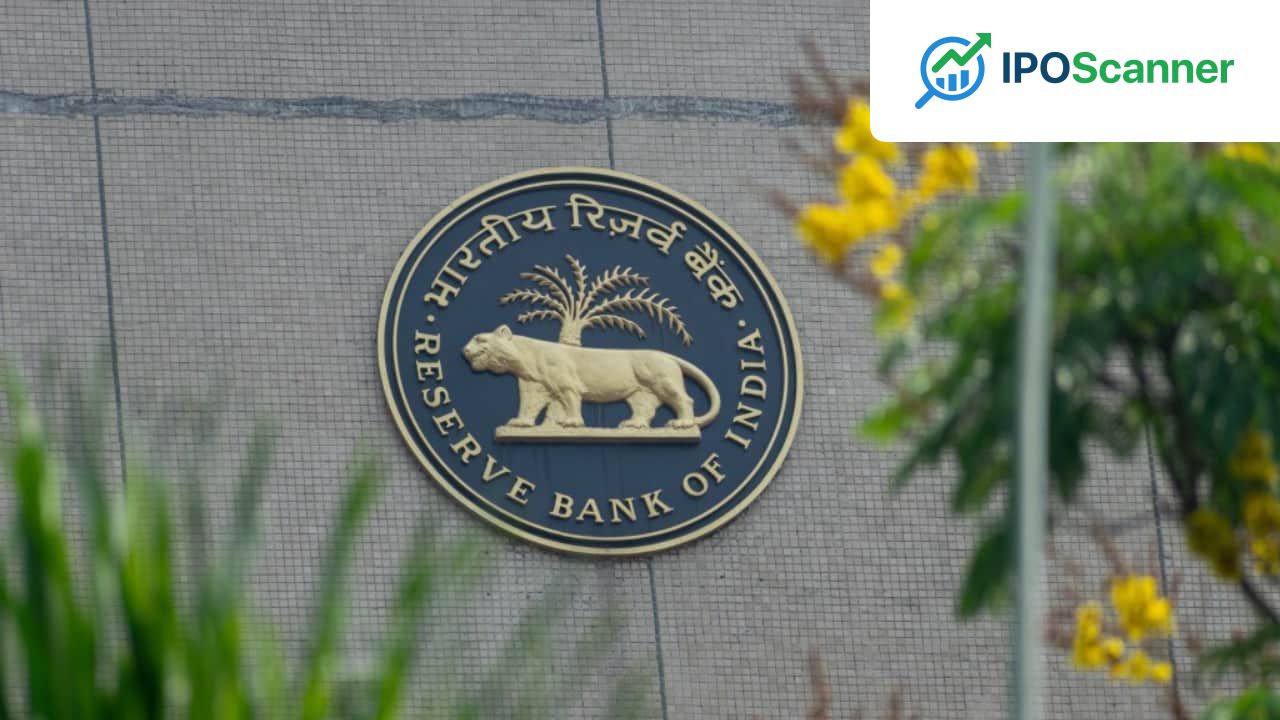
RBI Maintains Status Quo in Macro Policy, Paving Way for Future Adjustments
Reserve Bank of India Keeps Repo Rate Unchanged at 5.25 Percent
The Reserve Bank of India's Monetary Policy Committee concluded its April meeting with a widely expected decision: maintaining the repo rate at 5.25 percent with a neutral policy stance. This move marks a deliberate pause in the easing cycle that has delivered 125 basis points of cumulative cuts since February 2025, signaling the central bank's shift towards a "wait-and-watch" posture in an increasingly complex global environment.
Headline inflation ticked up to 3.21 percent in February from 2.74 percent in January, primarily due to rising food and commodity prices. While core inflation excluding metals has remained relatively benign at 2.1 percent in January 2026 and February 2026, the RBI's upward inflation revision for FY27—now pegged at 4.60 percent—reflects growing concern about energy pass-through from the West Asia conflict.
| Quarter | Projected Inflation Rate |
|---|---|
| Q1 | 4.0% |
| Q2 | 4.5% |
| Q3 | 5.2% |
| Q4 | 4.5% |
Read also: Treasury Yields Experience Largest Increase in Two Weeks Following Release of Labor Market Data
The central bank projects quarterly inflation ranging between 4.0 percent and 5.2 percent, with Q3 bearing the highest risk. Despite these inflationary headwinds, India's growth story remains resilient with real GDP for FY26 revised upward to 7.60 percent, and the RBI forecasting a steady 6.90 percent for FY27.
The West Asia conflict has disrupted roughly 20 percent of global energy supplies through the Strait of Hormuz, creating an externally-driven inflationary shock that rate hikes alone cannot address. The RBI's decision to remain on hold reflects a pragmatic recognition: tightening monetary policy would penalize domestic growth without solving the root cause of imported inflation.
With recent ceasefire signals offering temporary relief, the probability of an aggressive rate-hiking cycle has diminished substantially. Market pricing of rates in Indian Debt Capital Market, which currently reflects expectations of considerable tightening, appears overly aggressive given the transitory nature of external shocks.
The banking system remains flush with liquidity, averaging Rs 2.3 lakh crore in daily surplus since February 2026 policy. The RBI has proactively deployed tools—conducting Rs 1.5 lakh crore in OMO purchases and US$10 billion in forex swaps—to ensure comfortable liquidity conditions. Weighted average lending rates on fresh loans have fallen 89 basis points since the easing cycle began, supporting credit growth and transmission.
Read also: US-Iran Tensions Spark Uptick in Oil Prices Amid Global Market Decline
G-Sec yields have hardened to 7.12 percent amid geopolitical tensions, though 10-year yields have eased to 6.90 percent on two weak ceasefire and no rate hike by RBI. India's forex reserves of approximately $697 billion provide a solid cushion with 11 months of import cover.
The RBI has demonstrated institutional resilience by refusing to be reactive to supply-side disruptions. While external conditions—energy price trajectories, geopolitical stability, and global inflation trends—will remain on the radar, the central bank is unlikely to engineer sharp policy shifts in response to transitory shocks. Critically, the West Asia conflict presents a growth headwind masquerading as an inflation concern; the real risk lies in premature tightening that could choke off domestic momentum rather than in unchecked price pressures.
The MPC's neutral stance provides the flexibility to respond swiftly should conditions materially deteriorate, while avoiding the policy misstep of raising rates to combat an externally-driven supply shock. This measured approach underscores the RBI's confidence in the economy's underlying fundamentals and its recognition that sustained growth, not reactive rate moves, is the most effective hedge against prolonged uncertainty.
Overall, bond markets are discounting about 75-100 bps Repo rate hike in the bond yields while the RBI may remain on prolonged pause, which augurs well for the bond market investors.
More in Economy

Treasury Yields Experience Largest Increase in Two Weeks Following Release of Labor Market Data

US-Iran Tensions Spark Uptick in Oil Prices Amid Global Market Decline

MoSPI Releases Uniform Norms for DDP Estimates with 2022-23 Base Year

