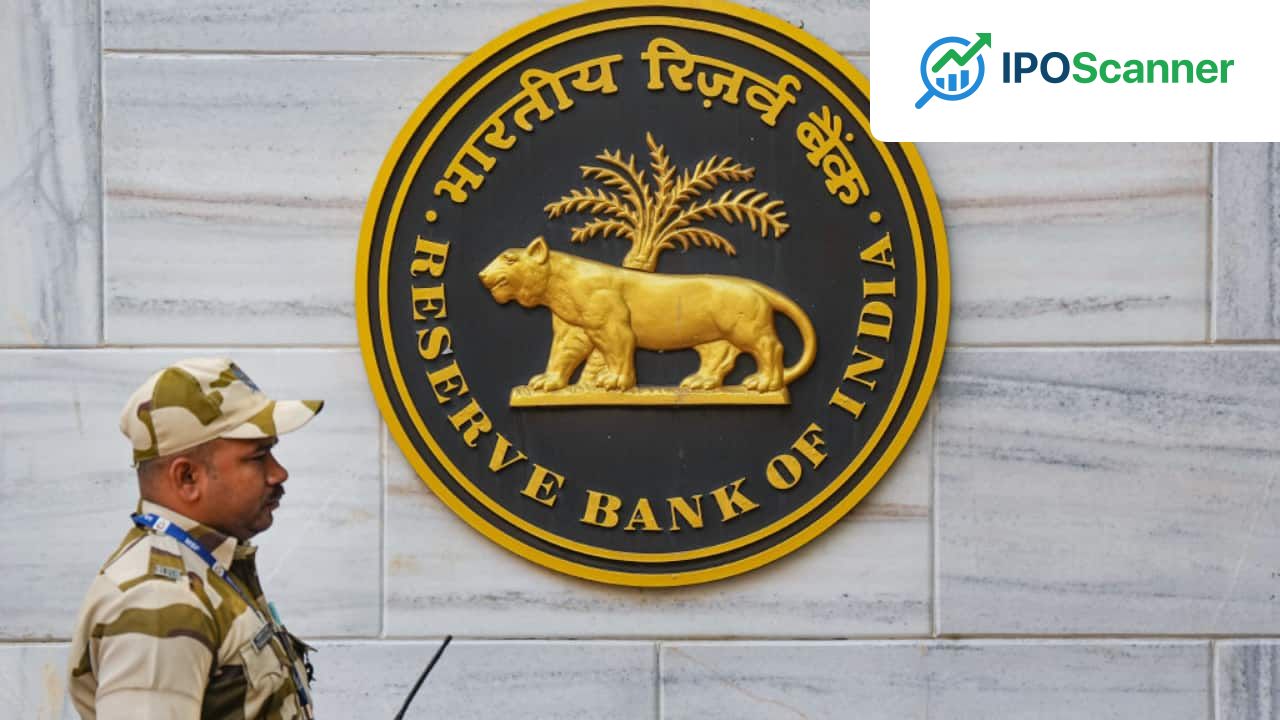
RBI Investigates Possible Shift of Rupee Arbitrage Trades from Banks to Corporates During Unwind Period
India's Central Bank Scrutinizes Large Banks Over Rupee Arbitrage Trades
The Reserve Bank of India (RBI) is conducting an in-depth review of the methods used by large banks to unwind their rupee arbitrage positions, according to multiple sources. The scrutiny is centered on concerns that the trades may have breached regulations and hindered the central bank's efforts to stabilize the currency.
In late March and early April, the RBI effectively compelled banks to unwind up to $40 billion in rupee arbitrage trades between the onshore and non-deliverable forward markets. The move was aimed at bolstering a currency that was teetering at record lows due to the Iran war and foreign fund outflows. Following the central bank's measures, the rupee has recovered from near 95.20 per U.S. dollar to near 92.50, before paring its rally on Monday.
The RBI's scrutiny has expanded to examining whether banks offloaded the arbitrage trades to corporates and related parties. Treasury officials across at least five large banks have been queried, and details of their interactions with clients and transactions with related parties have been sought. The RBI's investigation is a rare instance of scrutiny of foreign exchange trades.
Read also: Treasury Yields Experience Largest Increase in Two Weeks Following Release of Labor Market Data
The unwinding of the trades has been found to have hampered the central bank's objective of bringing dollars to the market to ease downward pressure on the currency. The RBI has not publicly commented on the matter, and the sources declined to be identified as they are not authorized to speak to the media.
Monitoring Market Behaviour
T. Rabi Sankar, the RBI's deputy governor, discussed banks shifting arbitrage trades to corporate clients at an event organized by the Indian Foreign Exchange Dealers' Association in Paris over the weekend. According to two bankers who attended the event, Sankar highlighted that such transactions are not aligned with the spirit of the central bank measures.
Banks facilitated arbitrage trades by corporate clients despite knowing that corporates are only supposed to hedge their foreign exchange exposure. Such transactions are seen as market abuse, and the regulator's scrutiny is meant to signal close monitoring of market behavior.
Read also: US-Iran Tensions Spark Uptick in Oil Prices Amid Global Market Decline
Rupee's Performance
The rupee, which fell 4% in March to a lifetime low, has been battered by more than $19 billion in foreign outflows from the country's debt and equity markets over 2026 so far. The RBI has sold dollars from its forex reserves to support the currency.
| Quarter | Rupee's Performance |
|---|---|
| March | 4% decline to a lifetime low |
| 2026 (so far) | More than $19 billion in foreign outflows |
Alongside the ongoing scrutiny, the RBI plans to move ahead with a proposal mandating banks to report offshore rupee derivative trades.
Investor Takeaway
Investors should be cautious of potential regulatory risks in the Indian banking sector.
More in Economy

Treasury Yields Experience Largest Increase in Two Weeks Following Release of Labor Market Data

US-Iran Tensions Spark Uptick in Oil Prices Amid Global Market Decline

MoSPI Releases Uniform Norms for DDP Estimates with 2022-23 Base Year

