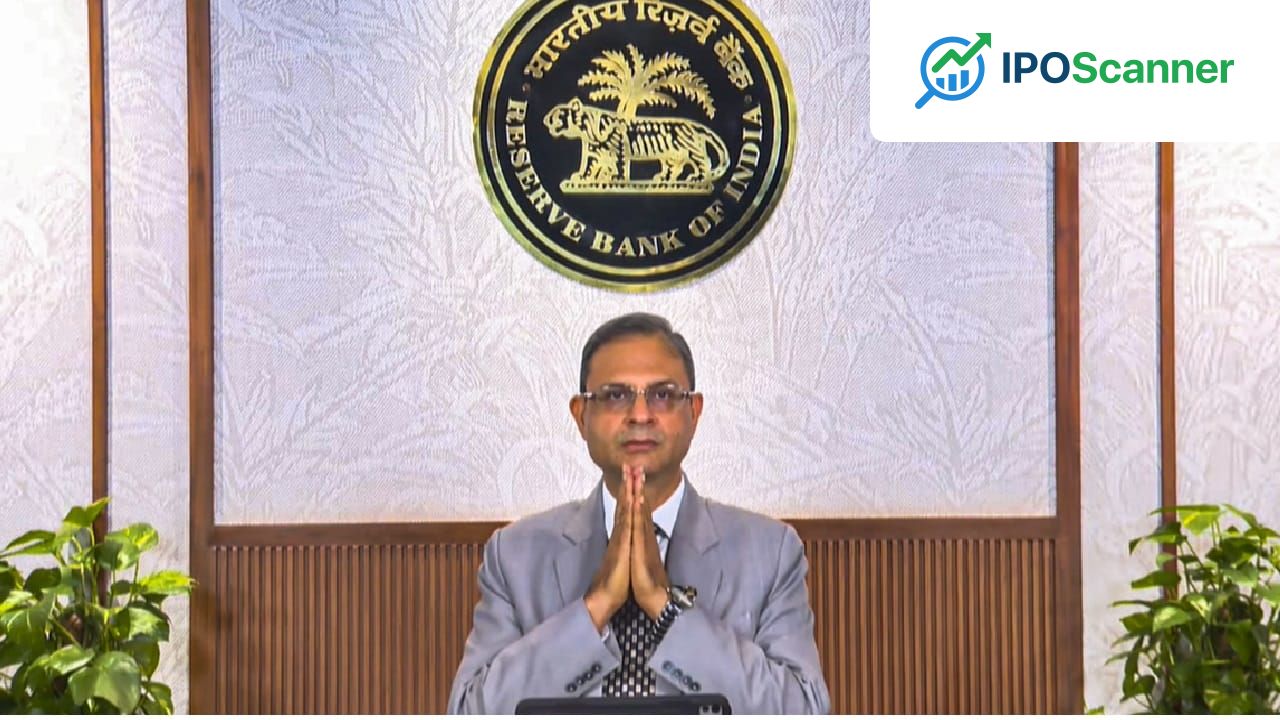
RBI Balance Sheet Surges 20.6% to Rs 91.97 Lakh Crore in FY26
Reserve Bank of India's Balance Sheet Expands by 20.6 Percent in FY26
The Reserve Bank of India's (RBI) balance sheet expanded by 20.6 percent in FY26, with the central bank's total assets rising by Rs 15.72 lakh crore to Rs 91.97 lakh crore as on March 31, 2026, according to the RBI's latest annual report.
The sharp increase in the balance sheet was primarily driven by a rise in domestic investments, gold holdings, and foreign investments. Domestic investments grew 44.9 percent during the year, while gold holdings surged 63.8 percent. Foreign investments also registered a 7.9 percent increase.
On the liabilities side, revaluation accounts recorded the steepest rise of 63.4 percent during the year. Currency notes issued by the central bank increased 11.8 percent, while deposits and other liabilities rose 11.6 percent and 21.1 percent, respectively.
Read also: Treasury Yields Experience Largest Increase in Two Weeks Following Release of Labor Market Data
The composition of the RBI's assets also underwent a shift during FY26. Domestic assets accounted for 29.1 percent of total assets as on March 31, 2026, compared with 25.7 percent a year ago.
| Asset Category | FY25 | FY26 |
|---|---|---|
| Domestic Assets | 25.7% | 29.1% |
| Foreign Currency Assets | 23.5% | 24.3% |
| Gold Holdings | 10.5% | 14.1% |
| Loans and Advances to Financial Institutions outside India | 15.1% | 15.5% |
The annual report noted that the increase in gold holdings reflects the central bank's continued diversification of reserves amid global macroeconomic uncertainties and elevated bullion prices.
The RBI also strengthened its contingency buffers during the year. It transferred Rs 1.09 lakh crore to the Contingency Fund (CF), while no transfer was made to the Asset Development Fund (ADF). The Contingency Fund acts as a financial buffer to absorb unexpected contingencies arising from monetary, exchange rate, interest rate, and operational risks.
Read also: US-Iran Tensions Spark Uptick in Oil Prices Amid Global Market Decline
The decision to enhance the fund comes at a time when central banks globally are navigating heightened volatility in financial markets and geopolitical risks. The report added that trends in income, expenditure, net income, and surplus transferred to the Central Government were detailed in the annual accounts section of the report.
More in Economy

Treasury Yields Experience Largest Increase in Two Weeks Following Release of Labor Market Data

US-Iran Tensions Spark Uptick in Oil Prices Amid Global Market Decline

MoSPI Releases Uniform Norms for DDP Estimates with 2022-23 Base Year

