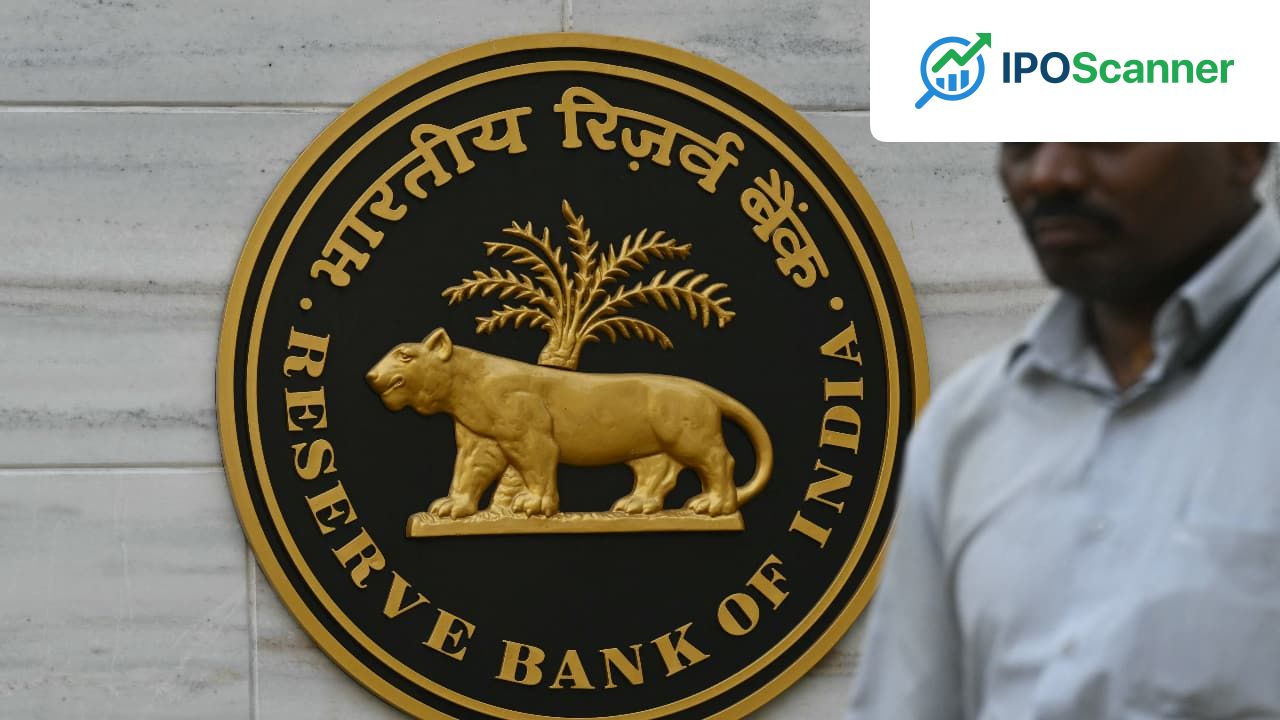
RBI Authorizes Banks to Offer Relief Measures to Borrowers in Disaster-Hit Regions Without Request
Reserve Bank Issues Revised Guidelines for Calamity-Affected Areas
The Reserve Bank has issued revised guidelines for calamity-affected areas, which will take effect from July 1, 2026. According to the new guidelines, banks are permitted to extend relief measures to all borrowers without waiting for a request from them, with an opt-out clause for borrowers who desire to opt out at any point till the end of 135 days from the date of declaration of natural calamity.
The guidelines, issued on Wednesday, are a result of feedback received from stakeholders on draft directions on relief measures. The directions are applicable to commercial banks, small finance banks, local area banks, cooperative banks, NBFCs, and All India Financial Institutions. Two repeal directions have also been issued.
The guidelines will enable banks to operate their calamity-affected branches from temporary premises under advice to the concerned regional office of the RBI. Banks are also required to make arrangements to render banking services in the affected areas by setting up satellite offices, extension counters or mobile banking facilities under intimation to the Reserve Bank.
Read also: Treasury Yields Experience Largest Increase in Two Weeks Following Release of Labor Market Data
In addition, banks are required to take immediate action for the restoration of ATM services at the earliest. During the period, they shall provide alternative arrangements to address the immediate cash requirements of the affected areas.
Relief Measures
Banks, at their discretion, can provide relief measures such as a waiver / reduction of various fees and charges in respect of customers in the areas where a calamity has been declared for a period not exceeding one year. Borrowers will be eligible for resolution whose accounts are classified as 'Standard', but which are not in default for more than 30 days with the bank as on the date of occurrence of the calamity.
Upon implementation of the resolution plan, borrower accounts which may have slipped into NPA between the date of occurrence of the calamity and implementation of the resolution plan, shall be upgraded as ‘Standard’.
Read also: US-Iran Tensions Spark Uptick in Oil Prices Amid Global Market Decline
Additional Provisions
The central bank has mandated that a bank should make an additional specific provision of 5 per cent of the outstanding debt in respect of borrowers for whom a resolution plan has been implemented. The additional specific provisions shall be over and above the applicable prudential provisions, subject to a ceiling of 100 per cent.
Comparison of Relief Measures
| Category | Eligibility Criterion | Additional Provisioning |
|---|---|---|
| Original Guidelines | Borrowers who are not in default for more than 30 days | 5% of outstanding debt |
| Revised Guidelines | Borrowers who are classified as 'Standard' | 5% of outstanding debt, subject to a ceiling of 100% |
The central bank received feedback from stakeholders regarding relaxing the eligibility criterion to include all 'Standard' borrowers, including those overdue up to 89 days. However, the RBI did not accept this suggestion, saying the objective is to provide relief to borrowers impacted by the natural calamity, but who are not stressed otherwise.
The revised framework is more relaxed than the extant norms, and the additional provision balances the heightened risk in such accounts while not subjecting them to higher provisioning applicable to a regular restructured account. In June 2023, the RBI had proposed to issue guidelines rationalising the extant prudential norms for implementation of resolution plans in respect of exposures affected by natural calamities.
More in Economy

Treasury Yields Experience Largest Increase in Two Weeks Following Release of Labor Market Data

US-Iran Tensions Spark Uptick in Oil Prices Amid Global Market Decline

MoSPI Releases Uniform Norms for DDP Estimates with 2022-23 Base Year

