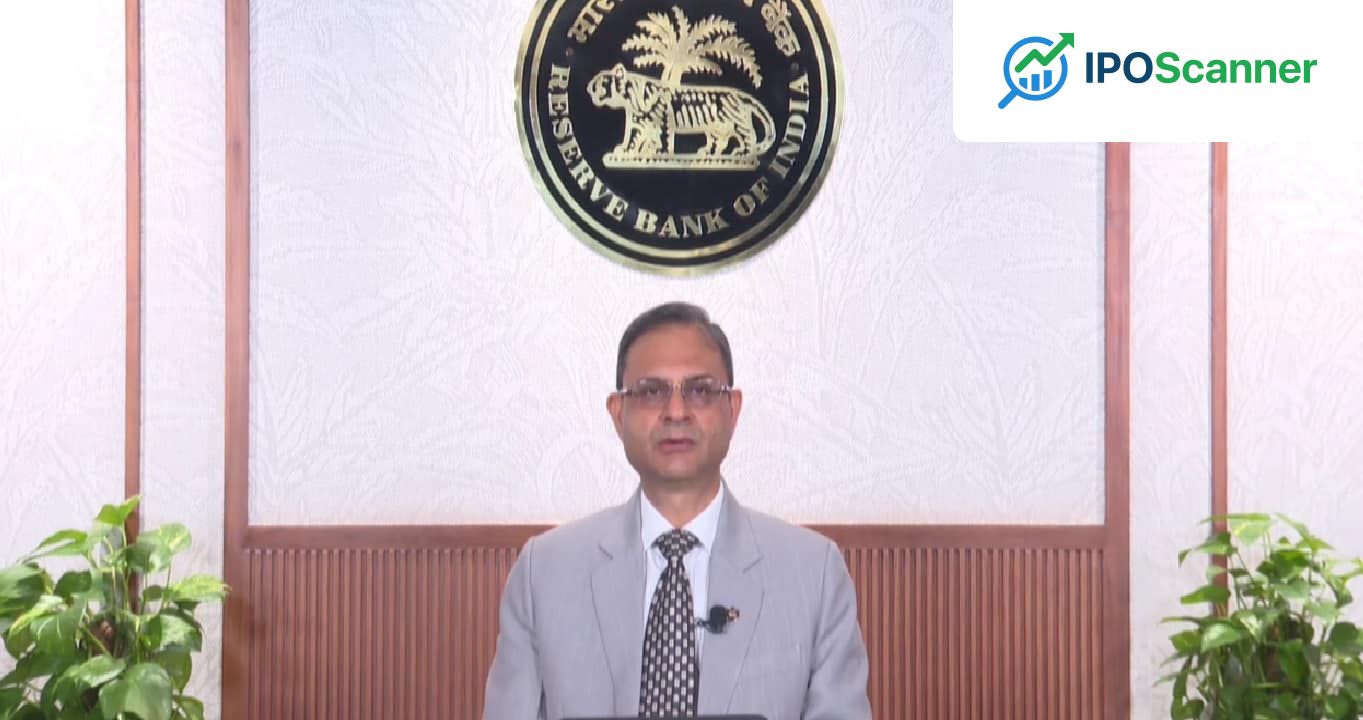
RBI Annual Report Cites Improvement in Surplus Liquidity for FY26 Due to Policy Interventions
Reserve Bank of India Reports Improvement in Banking Liquidity for FY26
The Reserve Bank of India (RBI) has announced that liquidity in the banking system improved significantly in FY26, with an average daily surplus of Rs 1.86 lakh crore. This improvement can be attributed to several policy measures taken by the central bank during the year, as stated in its annual report released on May 29.
In the first quarter, liquidity remained comfortable due to the RBI's durable measures, resulting in an average daily net absorption under the liquidity adjustment facility (LAF) of Rs 2.03 lakh crore. The RBI's actions helped offset the withdrawal of liquidity from the banking system, which was caused by an increase in currency demand and the central bank's forex market operations.
The improvement in liquidity conditions led the RBI to discontinue the daily variable rate repo (VRR) auctions from June 11, 2025. However, the central bank resumed variable rate reverse repo (VRRR) auctions on June 27 to mop up surplus liquidity, after a gap of nearly eight months.
Read also: Treasury Yields Experience Largest Increase in Two Weeks Following Release of Labor Market Data
The surplus liquidity conditions continued in the second quarter of FY26, with a brief period of deficit during September 22-24 due to a buildup of government cash balances and the RBI's forex operations. The liquidity conditions started moderating in Q3, with average net absorption under the LAF declining to Rs 1.21 lakh crore.
| Quarter | Average Daily Net Absorption (LAF) |
|---|---|
| Q1 | Rs 2.03 lakh crore |
| Q2 | Rs 1.86 lakh crore |
| Q3 | Rs 1.21 lakh crore |
| Q4 | Rs 1.53 lakh crore |
The RBI conducted 26 VRR operations to alleviate liquidity tightness and maintain the surplus liquidity conditions. System liquidity turned into a deficit in the second half of December due to advance tax payments and capital outflows. However, the system returned to a surplus in the March quarter due to a pickup in government spending and liquidity operations of the RBI. Eighteen VRR operations were conducted, and the central bank conducted open market operations (OMO) purchases of bonds worth Rs 1 lakh crore in two tranches.
Investor Takeaway
The RBI's policy interventions have led to an improvement in surplus liquidity for FY26.
More in Economy

Treasury Yields Experience Largest Increase in Two Weeks Following Release of Labor Market Data

US-Iran Tensions Spark Uptick in Oil Prices Amid Global Market Decline

MoSPI Releases Uniform Norms for DDP Estimates with 2022-23 Base Year

