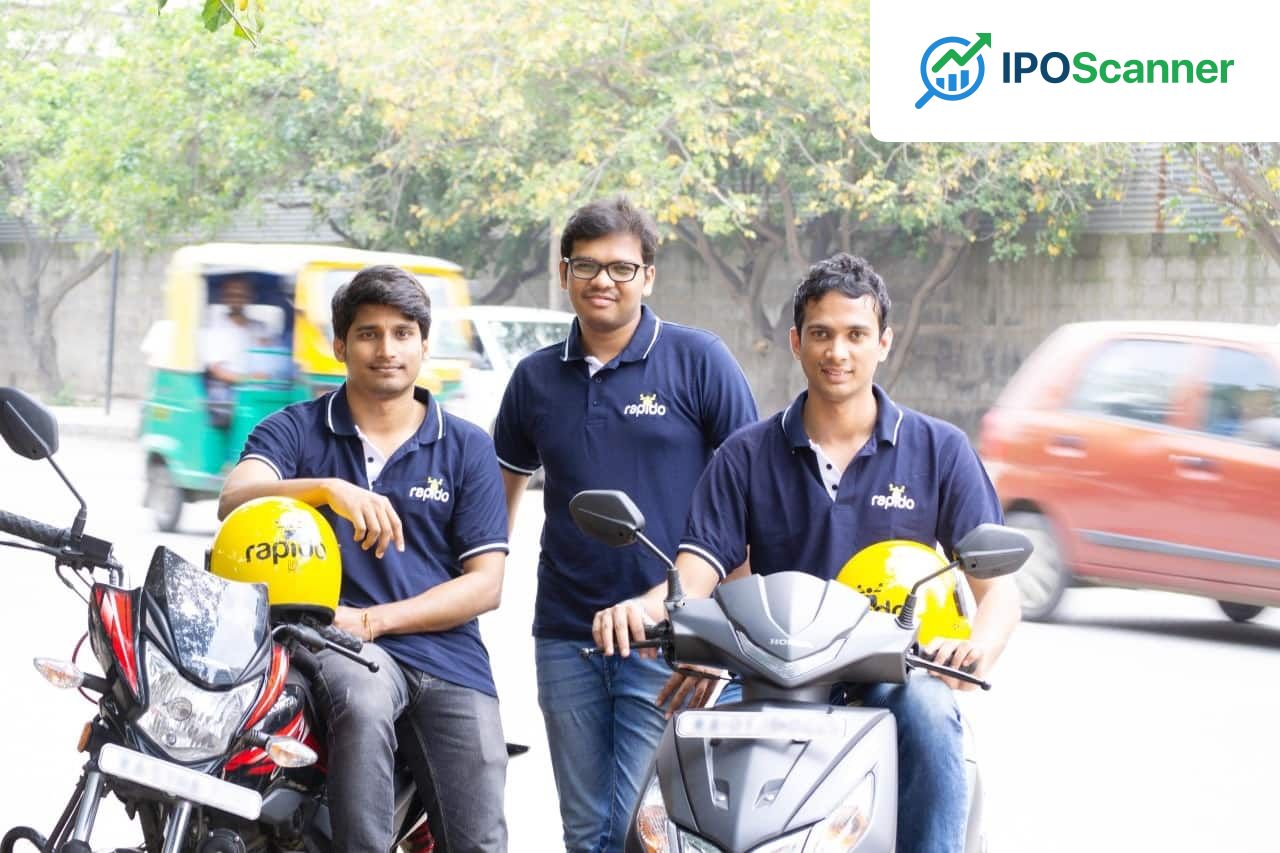
Rapido Gains Ground on Uber in India's Ride-Hailing Market
Uber's India Strategy Shifts as Bike Taxi Rival Rapido Gains Ground
The Indian ride-hailing market is undergoing a significant transformation, with Uber facing increased competition from bike taxi service provider Rapido. Uber's CEO, Dara Khosrowshahi, recently visited India, where he rode a bike taxi, highlighting the company's shift in strategy.
Uber is no longer solely focused on competing with long-time rival Ola in the four-wheeler cab market. Instead, the San Francisco-based company is sharpening its bike taxi strategy in response to Rapido's rapid expansion across smaller cities and high-frequency urban commute routes.
Rapido has been on a funding spree, raising a roughly $780 million round in recent months, with prominent global investors such as Prosus, WestBridge Capital, and Accel participating. This funding has valued Rapido at $3 billion, with Prosus now owning 26% of the company, equivalent to a stake worth $780 million. Prosus also holds a board seat at Rapido, as per regulatory filings and industry sources.
Read also: Treasury Yields Experience Largest Increase in Two Weeks Following Release of Labor Market Data
However, Uber's India visit was complicated by mounting regulatory pressure on bike taxis, with states such as Maharashtra moving to ban unauthorized bike taxi services, impacting both Uber and Rapido. Maharashtra Transport Minister Pratap Sarnaik has asked the Cyber Crime department to file FIRs against Ola, Uber, and Rapido over alleged unauthorized bike taxi operations in the state.
According to a March 2026 report by Bank of America Securities, Rapido's monthly active users (MAUs) rose steadily from about 43 million in February 2025 to nearly 75 million by February 2026. During the same period, Uber's MAUs grew modestly from roughly 31 million to around 39 million, while Ola's user base declined from around 29 million to nearly 27 million.
| Company | February 2025 MAUs | February 2026 MAUs |
|---|---|---|
| Rapido | 43 million | 75 million |
| Uber | 31 million | 39 million |
| Ola | 29 million | 27 million |
Rapido's growth trajectory has also reflected the changing economics of ride aggregation in India. The company's subscription-based and zero-commission approach altered driver economics, making it more attractive for drivers to shift from aggregators like Uber and Ola to Rapido.
Read also: US-Iran Tensions Spark Uptick in Oil Prices Amid Global Market Decline
Industry executives said Rapido's early focus on bike taxis helped it build scale faster than competitors in densely populated cities such as Bengaluru, Hyderabad, and Delhi. Unlike Uber, which concentrated on premium cab services, airport rides, and enterprise mobility, Rapido expanded rapidly into autos, cabs, and Tier-II cities.
Uber's India strategy has evolved significantly over the past few years. The company discontinued UberPool after the Covid-19 pandemic and pulled the plug on Uber Shuttle, a service that allowed commuters to book seats on air-conditioned buses and vans operating on fixed routes in cities such as Delhi, Mumbai, and Hyderabad. It also exited Uber Eats by selling the business to Eternal (formerly Zomato) in India after the business failed to deliver desired results.
However, Rapido has capitalized on the gaps left by Uber's shift in focus. The company expanded aggressively into smaller cities where bike taxis and autos often became the preferred mode of urban transport. Even Uber acknowledged the growing challenge, with Dara Khosrowshahi stating last year that Rapido, and not Ola, had emerged as Uber's biggest competitor in India.
Global pressures meet local competition
Uber's India challenges come even as the company faces broader global pressures. Over the last several years, Uber has pulled back from markets including China and Southeast Asia, exited several non-core businesses, and prioritized profitability after years of cash-intensive expansion.
In its home turf, Uber is also grappling with rising competition from autonomous driving companies in the US, prompting it to pursue partnerships with players such as Waymo to remain relevant as self-driving technology, and robotaxis gain traction.
India, however, remains one of Uber's most strategically important markets because of its scale, smartphone penetration, and digital payments adoption. Yet it is also among the toughest markets to crack profitably because of fierce local competition and evolving state-level regulations.
Reports based on Uber India's FY25 filings showed the company's total sales rose marginally to Rs 3,849 crore ($405 million) in FY25 from Rs 3,762 crore ($395 million) in FY24, while consolidated losses widened sharply to Rs 1,512 crore ($160 million) from Rs 89 crore ($9 million) a year earlier amid higher driver incentives and discounting.
Rapido's own financials reflect both growth and the costs of expansion. Roppen Transportation Services, which runs the Rapido platform, reported operating revenue of Rs 934.4 crore for the year ended March 2025, a 44% rise from Rs 648.1 crore in FY24. The company reduced its net loss by about 30% to Rs 258.4 crore in FY25 from a loss of Rs 370.7 crore in FY24, even as expenses rose with higher activity levels, as per latest available regulatory filings.
Investor Takeaway
Investors should be cautious of Uber's declining market share in India's ride-hailing market.
More in Market

Treasury Yields Experience Largest Increase in Two Weeks Following Release of Labor Market Data

US-Iran Tensions Spark Uptick in Oil Prices Amid Global Market Decline

Indian Stocks to Watch: BHEL, Agarwal Industrial, JBM Auto, Rajesh Exports, Indian Energy Exchange, Lenskart Solutions in Market Focus on June 4.