Rajesh Exports Under Scrutiny by SEBI: Potential Inflation of Rs 15 Lakh Crore in Revenues Raises Questions Over Motivations
Rajesh Exports at Centre of Major Accounting Probe
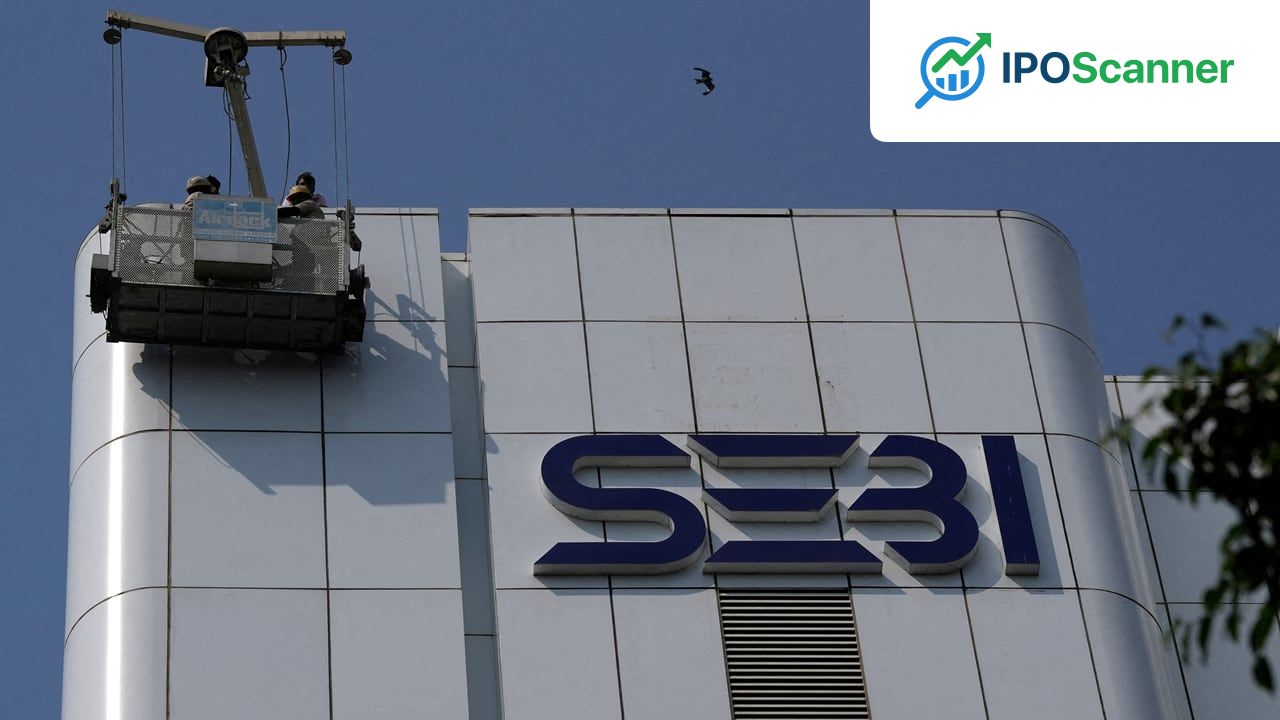
The Securities and Exchange Board of India (SEBI) has issued an interim ex-parte order against Rajesh Exports Ltd and its chairman and managing director Rajesh Mehta, alleging financial misrepresentation, fund-routing irregularities, and non-cooperation during an ongoing investigation.
At the heart of the case is a staggering figure: SEBI has alleged that Rajesh Exports misrepresented consolidated revenues of about Rs 15.15 lakh crore during FY21-FY25, accounting for nearly 99.8 percent of its reported consolidated revenue during the period.
The finding raises a fundamental question: how did a listed company report revenues running into several lakh crores while providing limited visibility into end-customers, transaction structures, and whether reported sales translated into actual cash generation?
Read also: SpaceX Prices IPO at $135 Per Share, Challenging Traditional Wall Street Practices
Rajesh Exports built its reputation as an integrated gold company spanning refining, manufacturing, exports, wholesale, and retail. Its global profile received a major boost in 2015 when it acquired Swiss precious metals refinery Valcambi for $400 million, positioning itself as one of the largest players in the global gold value chain.
However, SEBI's interim order suggests that the scale reflected in the company's consolidated financial statements may have been significantly overstated.
| Revenue Source | Percentage of Consolidated Revenue |
|---|---|
| Overseas subsidiaries and step-down subsidiaries | 97-99% |
| Valcambi SA | Significant portion |
According to the regulator, between 97 percent and 99 percent of Rajesh Exports' consolidated revenue originated from overseas subsidiaries and step-down subsidiaries, particularly Valcambi SA. Yet, according to SEBI, Valcambi's audited standalone financial statements showed only a fraction of the revenues reported at the consolidated group level.
Read also: Mutual Funds Avoid Rajesh Exports Amidst Declining Performance, LIC Holds Significant Stake
SEBI has alleged that the company recognised gross gold transaction values as revenue instead of recording only refining or processing income, without providing adequate supporting records, customer details, invoices, or accounting justification.
The distinction is crucial. In commodity businesses such as gold refining, the value of gold bought, sold, or processed can be enormous because of the high value of the underlying commodity. However, accounting standards require companies to determine whether they are acting as principals or merely earning a processing fee, commission, or margin. In many refining and processing arrangements, only the fee or margin earned qualifies as revenue rather than the full value of the gold handled.
If gross transaction values are recognised as revenue instead of the underlying margin, reported turnover can become dramatically inflated without a corresponding increase in profits or cash flows.
The company's annual reports and public disclosures also appear to offer limited information on major customers despite the somewhat extraordinary scale of revenues being reported. While disclosures broadly refer to customers, vendors, overseas operations, and subsidiaries, they do not provide sufficient detail to allow investors to independently assess customer concentration, transaction quality, or the credibility of reported sales.
That lack of transparency assumes greater significance in light of SEBI's findings. For a company reporting revenues running into several lakh crores, investors would ordinarily expect detailed segment disclosures, customer concentration data, trade receivable ageing, subsidiary-level financial information, and cash-flow generation broadly consistent with reported profits.
The current investigation was triggered by a shareholder complaint received by SEBI in March 2024, alleging possible financial misrepresentation linked to large trade receivables that had remained outstanding for more than two years. The regulator subsequently examined the period from April 2020 onwards.
SEBI has also alleged that Rajesh Exports misrepresented standalone revenues by Rs 12,557 crore during FY21-FY24. It further claimed that derivative transactions undertaken by Mehta in his personal capacity were recorded as company sales and purchases, while exchange fluctuation gains and interest income from mutual funds and fixed deposits were classified as revenue from operations.
The regulator has additionally flagged the alleged routing of company funds through the personal bank accounts of Mehta and Siddharth Mehta without disclosure as related-party transactions or approval from the board and audit committee.
The interim order also refers to a claimed investment in African gold mines that, according to SEBI, could not be independently corroborated from the financial information available on record.
Taken together, the allegations point to broader governance concerns, including questionable revenue recognition practices, weak subsidiary-level transparency, inadequate customer disclosures, related-party issues, and possible misclassification of income.
SEBI has barred Mehta from dealing in Rajesh Exports securities pending completion of the investigation and has ordered a fresh forensic audit. The regulator has also referred the conduct of the company's auditors for the relevant years to the National Financial Reporting Authority.
Rajesh Exports' response to the allegations will now be closely watched. But regardless of the final outcome, the regulator's findings have already raised serious questions about how one of India's most prominent gold exporters reported its scale, how much of that scale reflected genuine economic activity, and why warning signs went unresolved for years.
Investor Takeaway
Investors should be cautious of companies with a history of financial misrepresentation and irregularities.
More in Market

SpaceX Prices IPO at $135 Per Share, Challenging Traditional Wall Street Practices
Mutual Funds Avoid Rajesh Exports Amidst Declining Performance, LIC Holds Significant Stake

CMR Green Tech IPO Sees Robust Subscription on Second Day, Reaches Five Times Subscribed