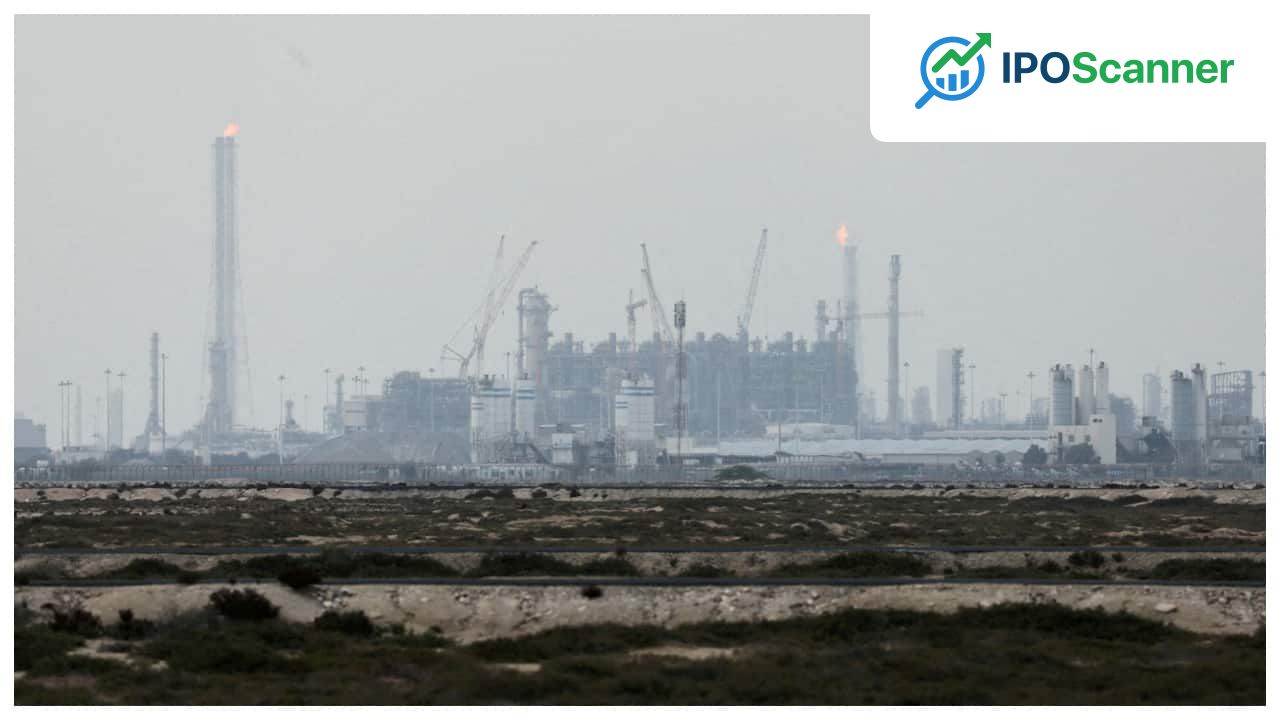
Qatar's LNG Exports Cut by 17% as Missile Strikes Force Emergency Shut-Down
QatarEnergy's LNG Export Capacity Reduced by 17 Percent Following Missile Attacks
Key Figures:
- $20 billion: Estimated annual revenue loss for Qatar's LNG exports
- 12.8 million tonnes per annum (MTPA): LNG output offline after strikes
- 17%: Reduction in Qatar's LNG export capacity
- 3-5 years: Estimated time to repair damaged production facilities
- 5 years: Potential duration of force majeure on some LNG contracts
On March 19, 2026, QatarEnergy's CEO, Saad Sherida Al-Kaabi, provided an official update on the impact of missile attacks on the Ras Laffan Industrial City. The attacks, which occurred on March 18 and 19, have reduced Qatar's LNG export capacity by 17% and are expected to result in an estimated $20 billion in annual revenue loss.
Read also: Treasury Yields Experience Largest Increase in Two Weeks Following Release of Labor Market Data
Damage to Production Facilities
The strikes damaged two LNG production units, Trains 4 and 6, taking offline 12.8 MTPA of production. Train 4 is a joint venture between QatarEnergy (66%) and ExxonMobil (34%), while Train 6 is owned by QatarEnergy (70%) and ExxonMobil (30%). The disruption will affect key importing countries, including China, South Korea, Italy, and Belgium.
Force Majeure and Repair Timeline
QatarEnergy will be compelled to declare force majeure for up to 5 years on some long-term LNG contracts. The damage sustained by the LNG facilities will take between 3-5 years to repair. The company has already declared force majeure on its output following earlier attacks on Ras Laffan and will extend it depending on the duration of disruption.
Read also: US-Iran Tensions Spark Uptick in Oil Prices Amid Global Market Decline
Impact on Associated Products
The outage will reduce production of several associated products:
- Condensates: 18.6 million barrels (~24% of exports)
- LPG: 1.281 million tonnes (~13%)
- Naphtha: 0.594 million tonnes (~6%)
- Sulfur: 0.18 million tonnes (~6%)
- Helium: 309.54 MCFA (~14%)
Global LNG Supply Chain Under Strain
Qatar is one of the world's largest LNG exporters, and the loss of 12.8 MTPA of capacity represents a significant disruption to global supply. The affected LNG trains supply buyers, including Italy's Edison, Belgium-based EDF Trading, South Korea's KOGAS, and buyers in China.
Investor Takeaway
Investors should be cautious of potential long-term disruptions to Qatar's LNG exports due to the recent missile strikes.
More in Economy

Treasury Yields Experience Largest Increase in Two Weeks Following Release of Labor Market Data

US-Iran Tensions Spark Uptick in Oil Prices Amid Global Market Decline

MoSPI Releases Uniform Norms for DDP Estimates with 2022-23 Base Year

