Private Capital Expenditures, Credit Stress, and Commodity Prices Pose Key Risks for Markets: Hedged CEO Assessment
Indian Stock Market Faces Multiple Risks in FY27, Says Rahul Ghose
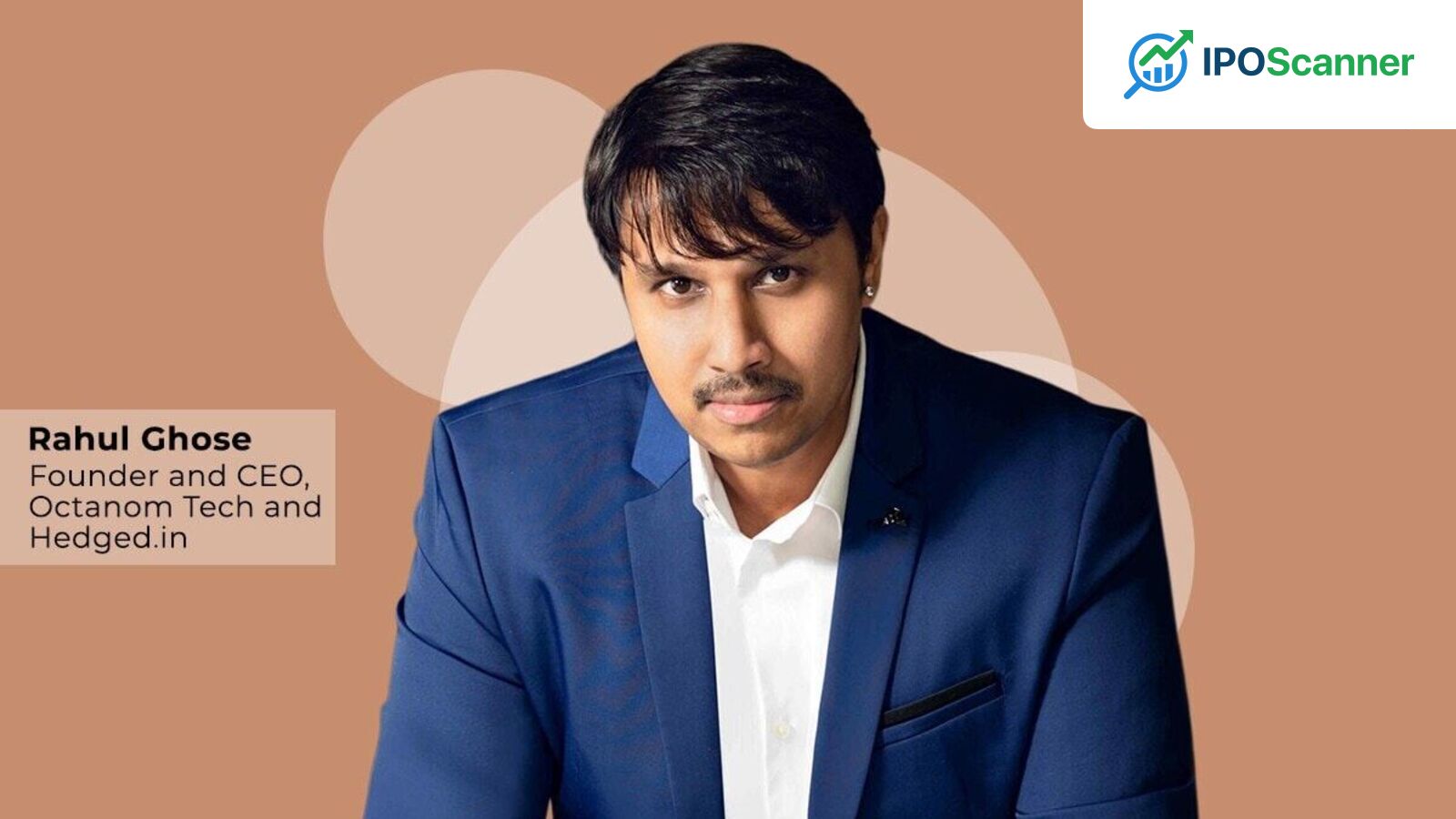
Indian stock market expert and CEO of Octanom Tech and Hedged.in, Rahul Ghose, has identified four key risks that could impact the market in the coming fiscal year, FY27. In an interview with Mint, Ghose discussed the challenges facing the market, including higher oil prices, a stronger dollar, low private capex, and unsecured credit stress.
Risks to the Market
Ghose highlighted four primary risks that investors should watch closely. Firstly, the strong dollar and rupee weakness pose a significant threat to foreign portfolio investors (FPIs), making them more sensitive to valuation and earnings disappointment. Secondly, a sustained spike in oil prices can affect the current account, inflation, logistics costs, and household purchasing power, limiting the Reserve Bank of India's (RBI) ability to implement rate cuts.
Read also: Treasury Yields Experience Largest Increase in Two Weeks Following Release of Labor Market Data
Thirdly, private capex intentions have fallen 16.5% to ₹9.55 trillion in FY27, according to the National Statistical Office (NSO) survey, with over 21% of companies surveyed having no capex plans for the year. Lastly, unsecured credit stress is a growing concern, particularly in personal loans, credit cards, and microfinance, which have financed a significant part of consumer spending over the past two years.
Market Outlook for FY27
While Ghose believes that FY27 will not be a washout year, he cautions that it will not reward lazy positioning either. The RBI still has room to cut interest rates if inflation cooperates, and rural demand is recovering. However, Ghose notes that the downside scenario exists, with UBS having cut its FY27 GDP estimate to 6.2% due to oil prices, monsoon risk, and rupee weakness.
Sectoral Performance
Read also: US-Iran Tensions Spark Uptick in Oil Prices Amid Global Market Decline
Ghose is bullish on private banking, citing that the Nifty Private Bank index is near the lower end of its five-year valuation range. He also recommends capital goods and domestic infrastructure, selectively, due to government capex and execution. Additionally, he sees pharma as an attractive sector, combining stable domestic growth with improving US generics dynamics.
Q4 FY26 Earnings Review
Ghose assesses Q4 FY26 earnings as telling two stories. The old economy delivered strongly, with companies such as Vedanta, HPCL, Oil India, and Siemens Energy reporting significant growth. However, the banking sector, led by SBI, reported a 5.58% year-on-year increase in net profit, which was lower than expectations. Electronics manufacturing company Kaynes Technology grew revenue 27.8% but saw profit fall 21.5% year-on-year due to margin compression. The IT services sector also reported cautious guidance, indicating that the earnings upgrade cycle for FY27 will not be smooth or wide.
Table: Sectoral Performance Comparison
| Sector | FY27 Growth Expectations |
|---|---|
| Private Banking | 15-20% |
| Capital Goods | 10-15% |
| Domestic Infrastructure | 8-12% |
| Pharma | 10-15% |
| IT Services | 8-12% |
Ghose concludes that while FY27 presents several risks, the Indian stock market has the potential to offer attractive opportunities for investors who are willing to do their research and pick the right pockets.
Investor Takeaway
Investors should be cautious of potential risks to the Indian stock market, including higher oil prices and a stronger dollar.
More in Economy

Treasury Yields Experience Largest Increase in Two Weeks Following Release of Labor Market Data

US-Iran Tensions Spark Uptick in Oil Prices Amid Global Market Decline

MoSPI Releases Uniform Norms for DDP Estimates with 2022-23 Base Year

