Prime Minister Modi's Five-Nation Tour: A Potential Catalyst for India's Response to the Crude Oil Price Shock
India's Energy Security Concerns Deepen Amid Rising Oil Prices
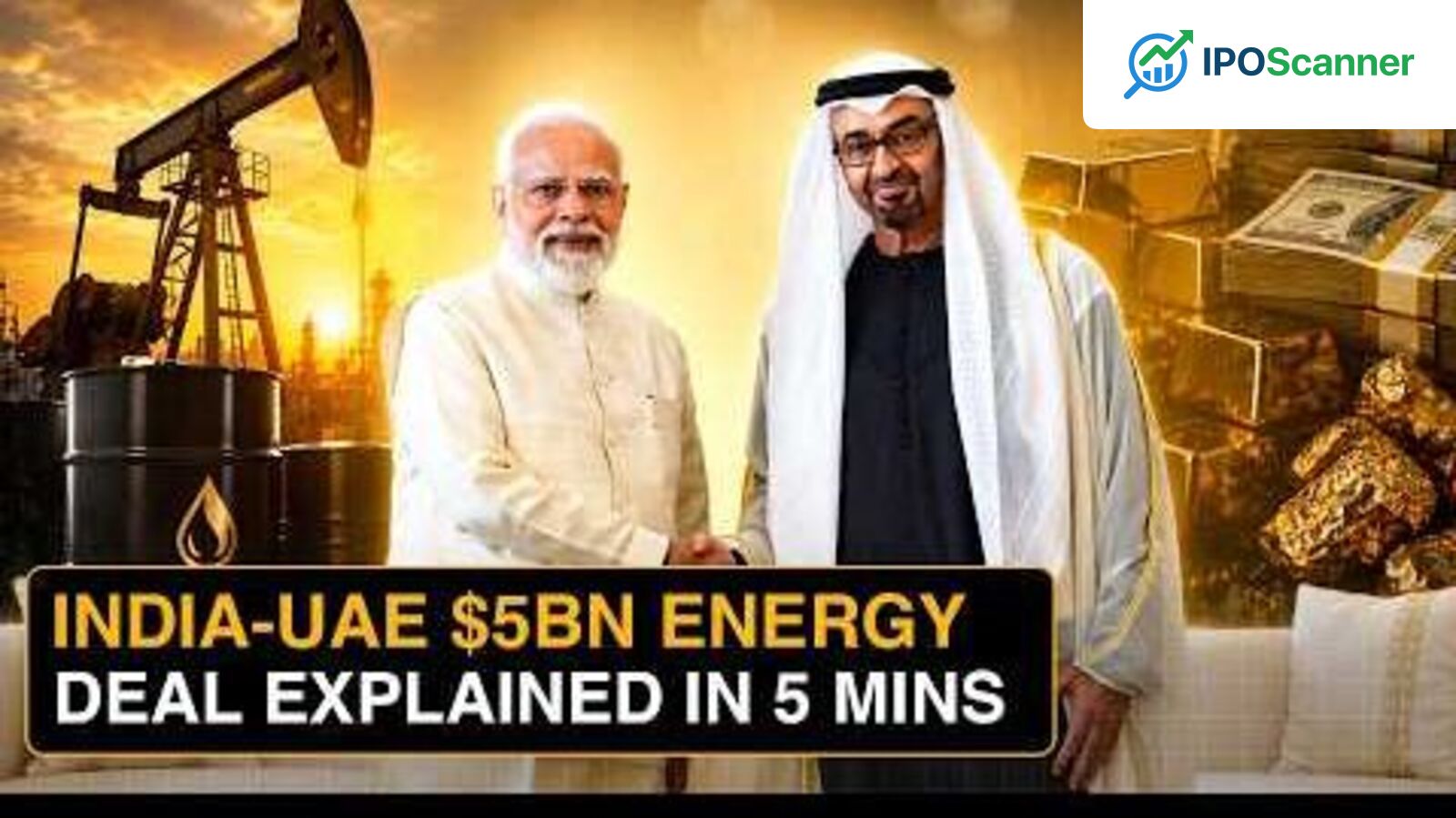
India's heavy dependence on crude oil and gas has intensified concerns over energy security, with Prime Minister Narendra Modi's five-nation tour aiming to secure long-term energy supply arrangements. Against this backdrop, the Prime Minister's visit to the United Arab Emirates (UAE) on May 15th has reinforced expectations that the country could strengthen ties with Europe and the Gulf region while addressing its energy crisis.
India-UAE Energy Deals
During the visit, both countries signed several key agreements, including deals related to petroleum and LPG supply. These agreements come at a crucial time, as India grapples with an energy crisis and rising petrol and diesel prices triggered by the ongoing conflict in West Asia. The UAE's recent announcement of its exit from OPEC is expected to boost its oil output and support importing nations such as India.
Read also: Treasury Yields Experience Largest Increase in Two Weeks Following Release of Labor Market Data
Global Energy Market Disruptions
The US-Israel conflict with Iran, now in its third month, has disrupted global energy markets following the closure of the Strait of Hormuz, a critical chokepoint through which nearly 20% of global oil supplies pass. In response to the crisis, Prime Minister Modi urged a series of austerity measures aimed at conserving the country's foreign exchange reserves, including reducing fuel consumption, avoiding foreign travel for a year, and curbing non-essential gold purchases.
| Country | Petrol Price Increase (₹/litre) |
|---|---|
| India | 3 |
| Other countries (not specified) | Not applicable |
Market Impact
Read also: US-Iran Tensions Spark Uptick in Oil Prices Amid Global Market Decline
Oil-sensitive sectors such as paints, aviation, logistics, OMCs, and chemicals may remain under pressure, while investors should closely watch crude prices, USD/INR movement, and inflation expectations before taking aggressive positions. According to Ponmudi R, CEO of Enrich Money, the real solution depends on three things — de-escalation in the Iran war, reopening and stabilisation of shipping routes, and coordinated supply support from major producers.
Energy Security Priorities
For India, Ponmudi said the immediate focus will be energy security, not cheap oil. The government will try to secure a more assured supply, diversify sourcing, protect strategic reserves, and reduce the impact on inflation, fiscal pressure, and the rupee. "My view is clear: Modi's visit can cool sentiment and reduce panic in crude markets if it produces firm supply commitments. But oil prices will fall meaningfully only when the geopolitical risk premium comes down. Until then, crude will remain volatile, and India must prepare for a higher-for-longer energy cost environment," Ponmudi said.
Investor Takeaway
India may secure long-term energy supply arrangements during Prime Minister Modi's five-nation tour.
More in Economy

Treasury Yields Experience Largest Increase in Two Weeks Following Release of Labor Market Data

US-Iran Tensions Spark Uptick in Oil Prices Amid Global Market Decline

MoSPI Releases Uniform Norms for DDP Estimates with 2022-23 Base Year

