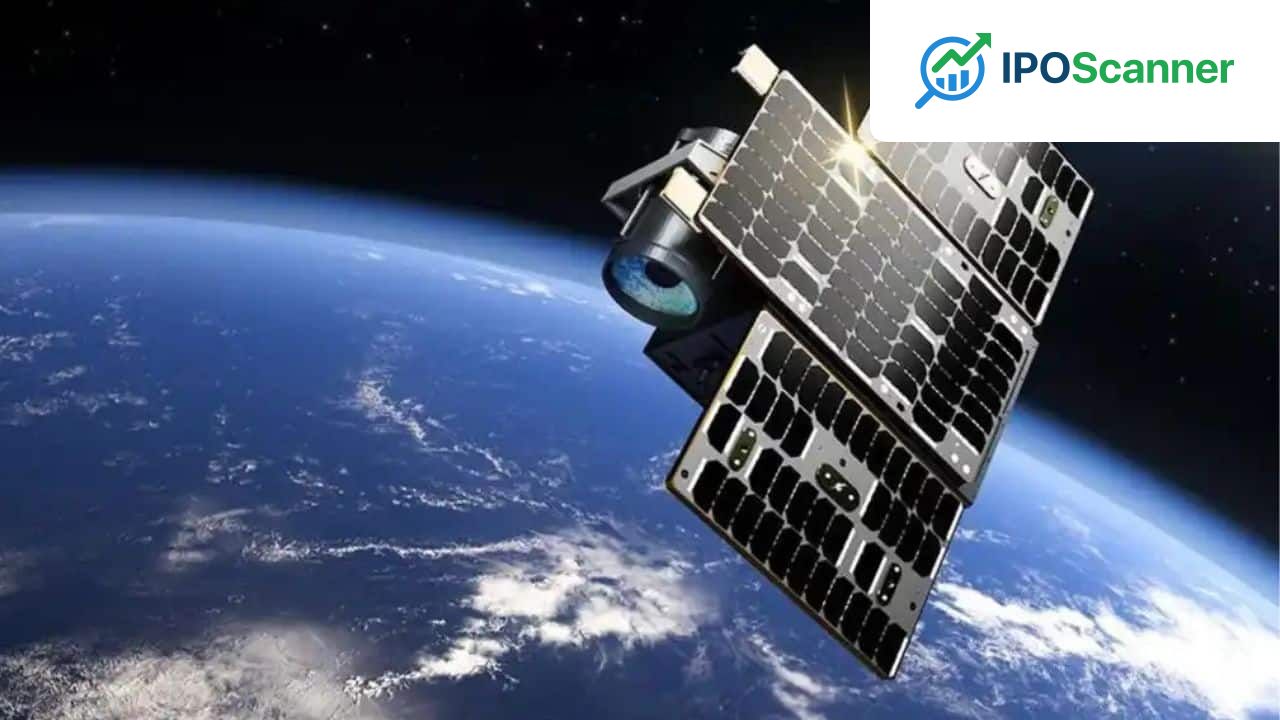
Pixxel and Sarvam Partner to Develop India's First Cognitive Satellite
India to Launch First Orbital Data Centre Satellite in 2026
India is set to make a major breakthrough in the field of space technology with the launch of its first orbital data centre satellite, the 'Pathfinder' mission. This ambitious project, announced by space technology firm Pixxel and AI company Sarvam, aims to process data directly in space, marking a significant step in combining artificial intelligence with satellite infrastructure.
The satellite, expected to be launched by the fourth quarter of 2026, will be a 200 kg class spacecraft designed to host advanced computing systems similar to those used in ground-based data centres. Pixxel will design, build, launch, and operate the satellite, while Sarvam will provide the artificial intelligence backbone, enabling both training and real-time processing of data in orbit. This cutting-edge technology will allow the satellite to analyse information directly in space, reducing delays and improving efficiency, especially for applications such as Earth observation and climate monitoring.
The Pathfinder mission will carry data centre class graphics processing units and hyperspectral imaging technology, enabling it to capture high-resolution data and process it instantly using AI models developed in India. This innovative approach is being explored by several countries as an alternative to ground-based data centres, which face issues such as high energy use, limited land availability, and environmental impact.
Read also: Google Pixel Watch Leak: Diver's Discovery Sparks Speculation
By leveraging the capabilities of satellites, Pixxel's chief executive notes that scaling traditional data centres is becoming more difficult due to constraints such as energy use and space. Satellites, on the other hand, can access solar power and are located closer to data generated in orbit. This mission could also support the development of India's AI ecosystem by enabling advanced models to be trained in orbit, reducing reliance on ground-based cloud infrastructure.
If successful, the Pathfinder mission could position India among a small group of countries exploring next-generation space computing systems. This announcement comes at a time when India's private space sector is growing steadily, with startups taking on a bigger role in building new space technologies and infrastructure. Experts say projects like this could strengthen India's position in the global space industry while also supporting the development of artificial intelligence and satellite technology within the country.
Comparison of Ground-Based and Space-Based Data Centres
| Ground-Based Data Centres | Space-Based Data Centres (Pathfinder Mission) | |
|---|---|---|
| Energy Consumption | High energy use | Access to solar power |
| Land Availability | Limited land availability | No land required |
| Environmental Impact | Significant environmental impact | Minimal environmental impact |
| Processing Time | Raw data transmitted back to Earth for processing | Real-time processing in orbit |
| Data Resolution | Lower resolution data | High-resolution data capture and processing |
Read also: Chinese Startup Claims AI Coding Capabilities Exceed Those of GPT-5.5: A Detailed Examination
This comparison highlights the benefits of space-based data centres, including reduced energy consumption, minimal environmental impact, and faster processing times. The Pathfinder mission is poised to revolutionize the way data is processed and analyzed, and its success could pave the way for a network of orbital data centres in the future.
Investor Takeaway
Investors should keep an eye on the development of space technology and its potential applications in data processing and analysis.
More in General

Google Pixel Watch Leak: Diver's Discovery Sparks Speculation

Chinese Startup Claims AI Coding Capabilities Exceed Those of GPT-5.5: A Detailed Examination

Google Unveils Gemini Omni: AI-Powered Video Creation from Text Input