Philippines to Conduct BrahMos Strike Simulation in Balikatan Drills Amid Rising Tensions with China
Philippines to Use BrahMos Cruise Missile in Simulated Maritime Strike
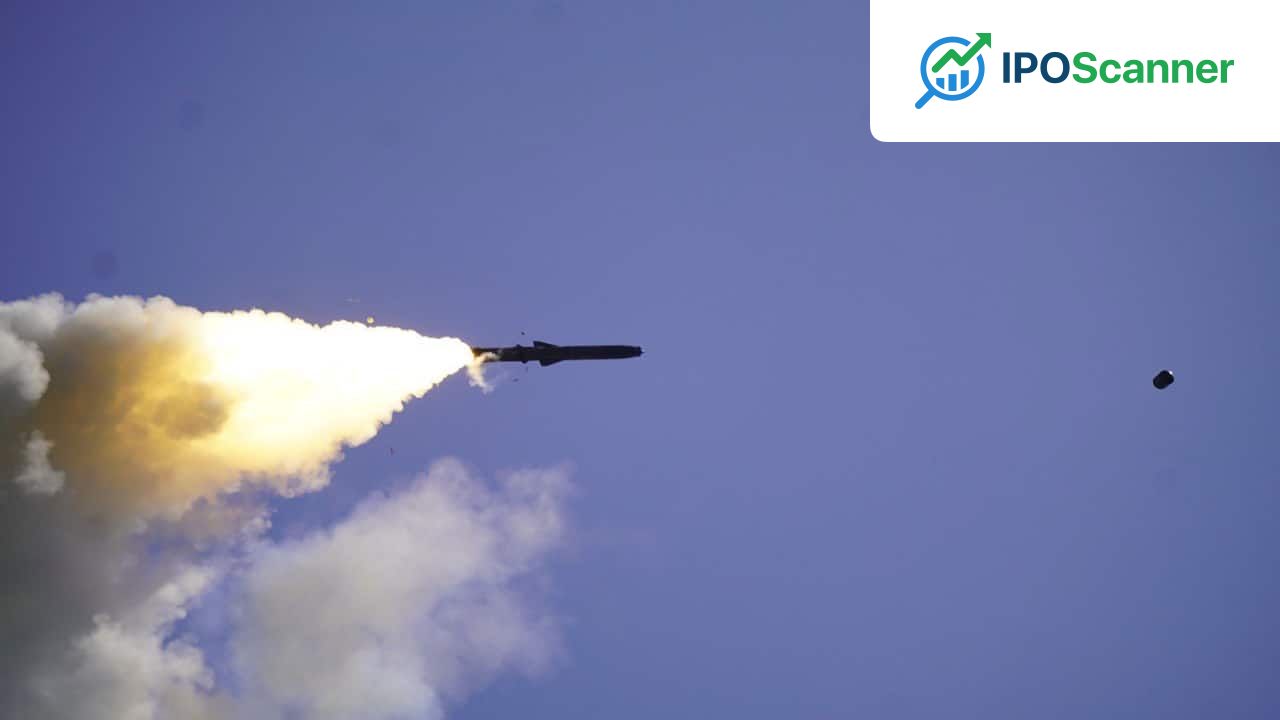
The Philippines will utilize the Indo-Russian BrahMos cruise missile in a simulated maritime strike during the ongoing Balikatan 2026 exercises with the United States. This move comes despite China's warning that such military activity could fuel division and trigger confrontation in the Asia-Pacific region.
The Philippines touts the BrahMos as its "most powerful weapon in its arsenal," according to the Philippines News Agency. The missile system will participate in a "simulation firing" during joint maritime strike drills in Northern Luzon, replicating real combat conditions without launching an actual missile. This simulated firing will involve activating all sensors and fire control systems as if it were an actual strike, without any weapon launch.
The BrahMos missile batteries, delivered to the Philippines in April 2024, are part of Manila's efforts to strengthen coastal defense and improve deterrence in its exclusive economic zone. The system can be launched from land, sea, or air and travels at nearly Mach 2.8, carrying a warhead weighing between 200 and 300 kilograms.
Read also: Treasury Yields Experience Largest Increase in Two Weeks Following Release of Labor Market Data
Compared to existing state-of-the-art subsonic cruise missiles, BrahMos boasts three times more velocity, 2.5 to three times more flight range, three to four times more seeker range, and nine times more kinetic energy.
| Feature | BrahMos | Subsonic Cruise Missiles |
|---|---|---|
| Velocity | Mach 2.8 | Subsonic |
| Flight Range | 2.5-3 times more | |
| Seeker Range | 3-4 times more | |
| Kinetic Energy | 9 times more |
The inclusion of BrahMos in the exercises corresponds to the Philippines' intention to enhance its anti-access and area denial capabilities, particularly in contested waters. Balikatan, one of the largest annual joint exercises between the Philippines and the United States, has expanded this year, with more than 17,000 troops from multiple countries, including Australia, Japan, Canada, France, and New Zealand.
China's foreign ministry has expressed concern over rising military activity, warning against actions that could destabilize the region. However, the Philippine Army General Romeo S Brawner Jr stated that the exercise sends a clear message that security is shared and that partnership remains the strongest advantage.
Read also: US-Iran Tensions Spark Uptick in Oil Prices Amid Global Market Decline
The drills span air, land, sea, space, and cyber domains, along with humanitarian operations across the Philippine archipelago, and directly support the 75-year-old US-Philippine Mutual Defense Treaty. This will be the 41st edition of the Exercise Balikatan, set to take place from April 20 to May 8.
More in Economy

Treasury Yields Experience Largest Increase in Two Weeks Following Release of Labor Market Data

US-Iran Tensions Spark Uptick in Oil Prices Amid Global Market Decline

MoSPI Releases Uniform Norms for DDP Estimates with 2022-23 Base Year

