Petrol Prices in India Compared to Global Peers Amid Oil Market Volatility
Petrol Prices in India Remain Modest Amid Global Surge
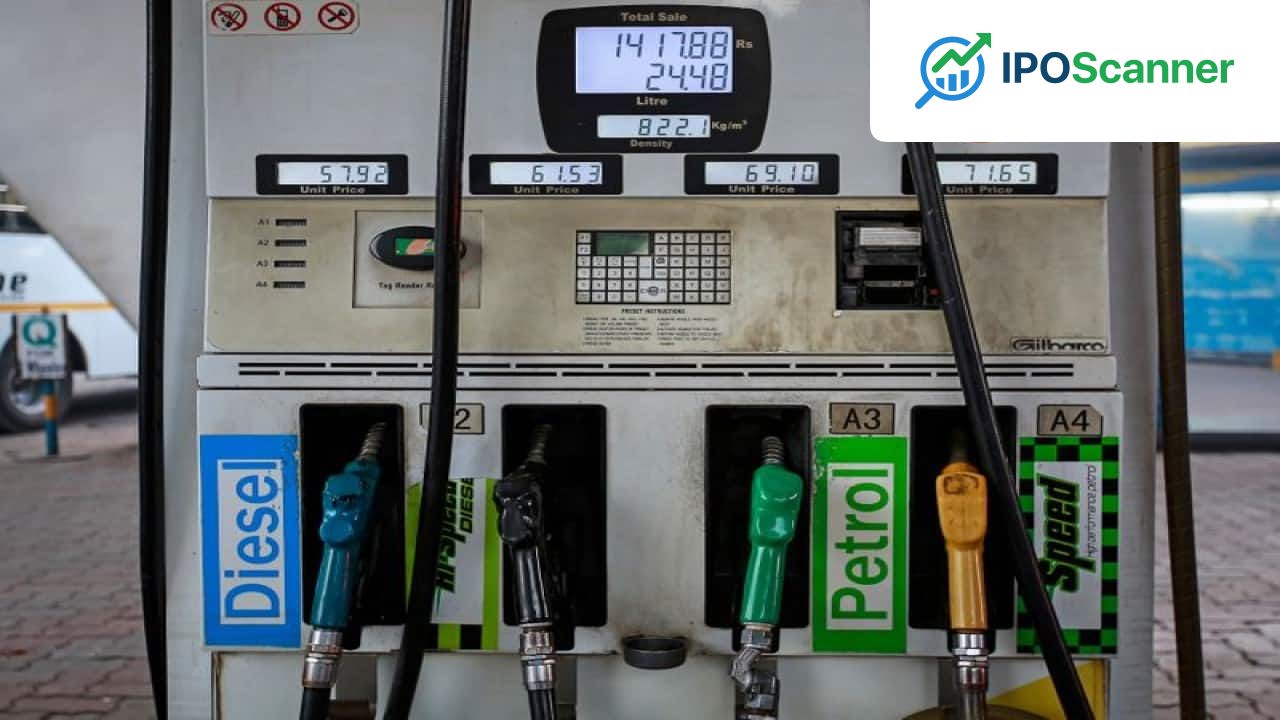
Indian motorists may have finally seen petrol prices rise, but the increase remains modest compared with the sharp jumps witnessed across much of the world as the West Asia conflict drives crude oil prices higher. Last week, state-run oil marketing companies raised petrol prices, taking the pump price in the national capital, Delhi, from Rs 94.77 to Rs 97.77 per litre. This represents an increase of just 3.2 percent over the past year, far lower than the price rises recorded in many developed and emerging economies.
The global oil market is experiencing a significant surge due to fears of supply disruptions and prolonged tensions in West Asia. Brent Crude climbed above $111 a barrel on May 18, driving up petrol prices worldwide. In the US, average petrol prices rose 40 percent to $3.64 per gallon, while prices in the UK increased 19 percent to £1.58 per litre, and France saw a 21 percent rise. Even in the United Arab Emirates, a major oil producer, petrol prices surged 46 percent to 3.48 dirhams per litre.
| Country | Petrol Price Increase |
|---|---|
| US | 40% to $3.64 per gallon |
| UK | 19% to £1.58 per litre |
| France | 21% |
| UAE | 46% to 3.48 dirhams per litre |
| Pakistan | 56% to 395.25 Pakistani rupees per litre |
| South Korea | 20% |
| Vietnam | 12.1% |
Read also: Treasury Yields Experience Largest Increase in Two Weeks Following Release of Labor Market Data
The comparison underscores the extent to which Indian oil marketing companies and the government have absorbed much of the impact of higher crude prices instead of fully passing them on to consumers. Converted into Indian rupees, petrol currently costs around Rs 223.9 per litre in France, Rs 203.3 in the UK, Rs 134.4 in Pakistan, and Rs 130.9 in South Korea. By comparison, India's price of Rs 97.77 per litre remains lower than in most major economies and only modestly above the equivalent prices in the UAE (Rs 91.2) and Vietnam (Rs 85.6).
A Moneycontrol analysis estimates that state-run refiners were incurring under-recoveries of roughly Rs 55,000 crore a month before the latest increase. The Rs 3 per litre hike is expected to reduce these losses to about Rs 52,000 crore, but prices may need to rise by another 16 percent to restore margins to last year's levels. Viewed through a purchasing-power lens, however, fuel can still impose a heavier burden on Indian households than nominal comparisons suggest. Although petrol in India is cheaper than in Europe and broadly comparable with prices in many US states, lower average per capita incomes mean that even modest increases can have a proportionately larger impact on household budgets.
More in Economy

Treasury Yields Experience Largest Increase in Two Weeks Following Release of Labor Market Data

US-Iran Tensions Spark Uptick in Oil Prices Amid Global Market Decline

MoSPI Releases Uniform Norms for DDP Estimates with 2022-23 Base Year

