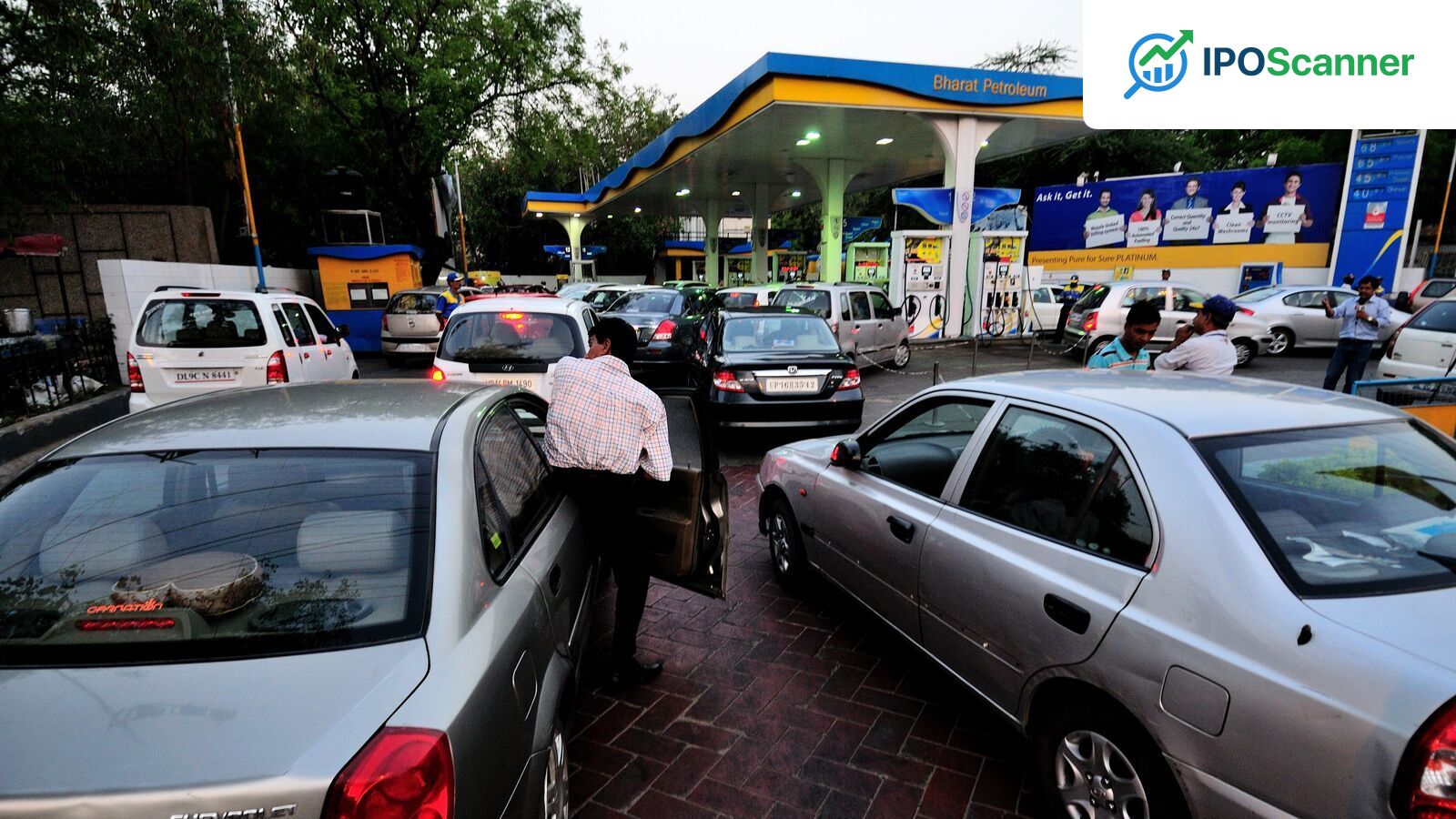
Petrol, Diesel Prices Rise Amid Middle East Crisis: Impact on Inflation, Indian Economy, and Market Investors Assessed
Fuel Prices Hike in India: A Modest Increase Amid Global Crude Oil Volatility
The suspense on fuel hike has finally ended as oil marketing companies (OMCs) increased the prices of petrol and diesel by ₹3 per litre on Friday morning. This move comes nearly three months into the Middle East war, which has pushed global crude oil higher, and the completion of the state elections. India is one of the last economies to raise the fuel prices following shipping disruptions at the Strait of Hormuz.
The decision to hike fuel prices comes as OMCs faced steep losses due to crude oil sailing above the $100 mark since the end of February. At current crude levels, OMCs were estimated to be losing ₹20 per litre on petrol and close to ₹100 per litre on diesel, said market veteran Sunil Subramaniam. IOC, BPCL, and HPCL were together incurring under-recoveries of ₹1,600–1,700 crore every day by selling below cost, according to him.
India is the world's third-biggest oil importer and consumer, and oil remains one of the biggest macro variables for India, with a multi-faceted impact on Indian Inc margins, inflation, and RBI's rate trajectory.
Read also: Treasury Yields Experience Largest Increase in Two Weeks Following Release of Labor Market Data
Impact on Economy and Inflation
The hike is modest enough that its direct inflation impact will be limited. Subramaniam said that the likely impact is in the 10–15 bps range on headline inflation, depending on how second-round effects play through transport and logistics costs. However, diesel is the more consequential fuel here since it powers goods transport, tractors, and commercial vehicles, he added.
| Fuel Type | Original Price (₹/litre) | New Price (₹/litre) | Increase (₹/litre) |
|---|---|---|---|
| Petrol | 3 | ||
| Diesel | 3 |
India's retail inflation, or Consumer Price Index (CPI), rose to 3.48% in April 2026 from 3.40% in March, while wholesale price inflation (WPI) surged to 8.3%, a 42-month high, driven by a sharp rise in fuel and energy prices amid elevated global crude oil rates.
Read also: US-Iran Tensions Spark Uptick in Oil Prices Amid Global Market Decline
Impact on RBI's Rate Trajectory
Higher inflation also impacts the RBI's rate cut trajectory. Since February 2025, the RBI has cut the repo rate by a cumulative 125 basis points from 6.5% to 5.25%. Fuel has a direct impact on inflation and an indirect impact through transport, food distribution, and services. Analysts believe that if the pass-through remains limited, the RBI may look through it. If it becomes broad-based, the rate cycle can stay tighter for longer.
Impact on Stock Market Investors
Given the smaller magnitude of the fuel price hike, analysts believe the impact on retail investors will likely be contained, as it might not yet dent their purchasing power. Harshal Dasani, Business Head at INVaaset, highlighted that the first cut normally comes from non-essential categories: eating out, apparel, electronics upgrades, leisure travel, and entry-level durables. He said that while that does not automatically mean an economic slowdown, it can narrow the consumption recovery and make earnings more uneven.
Impact on India Inc
Corporations, however, are likely to be impacted more because companies consume fuel at a much larger scale. For now, the pressure has largely been absorbed by oil marketing companies, but if higher crude and product costs are passed on to consumers, margin pressure will surface quickly in transport-heavy, commodity-using, and low-pricing-power businesses, according to Dasani of INVasset. The first impact will be on freight, packaging, logistics, power backup, and working-capital costs, he added.
Investor Takeaway
Fuel price hike may impact inflation and Indian economy, affecting market investors.
More in Economy

Treasury Yields Experience Largest Increase in Two Weeks Following Release of Labor Market Data

US-Iran Tensions Spark Uptick in Oil Prices Amid Global Market Decline

MoSPI Releases Uniform Norms for DDP Estimates with 2022-23 Base Year

