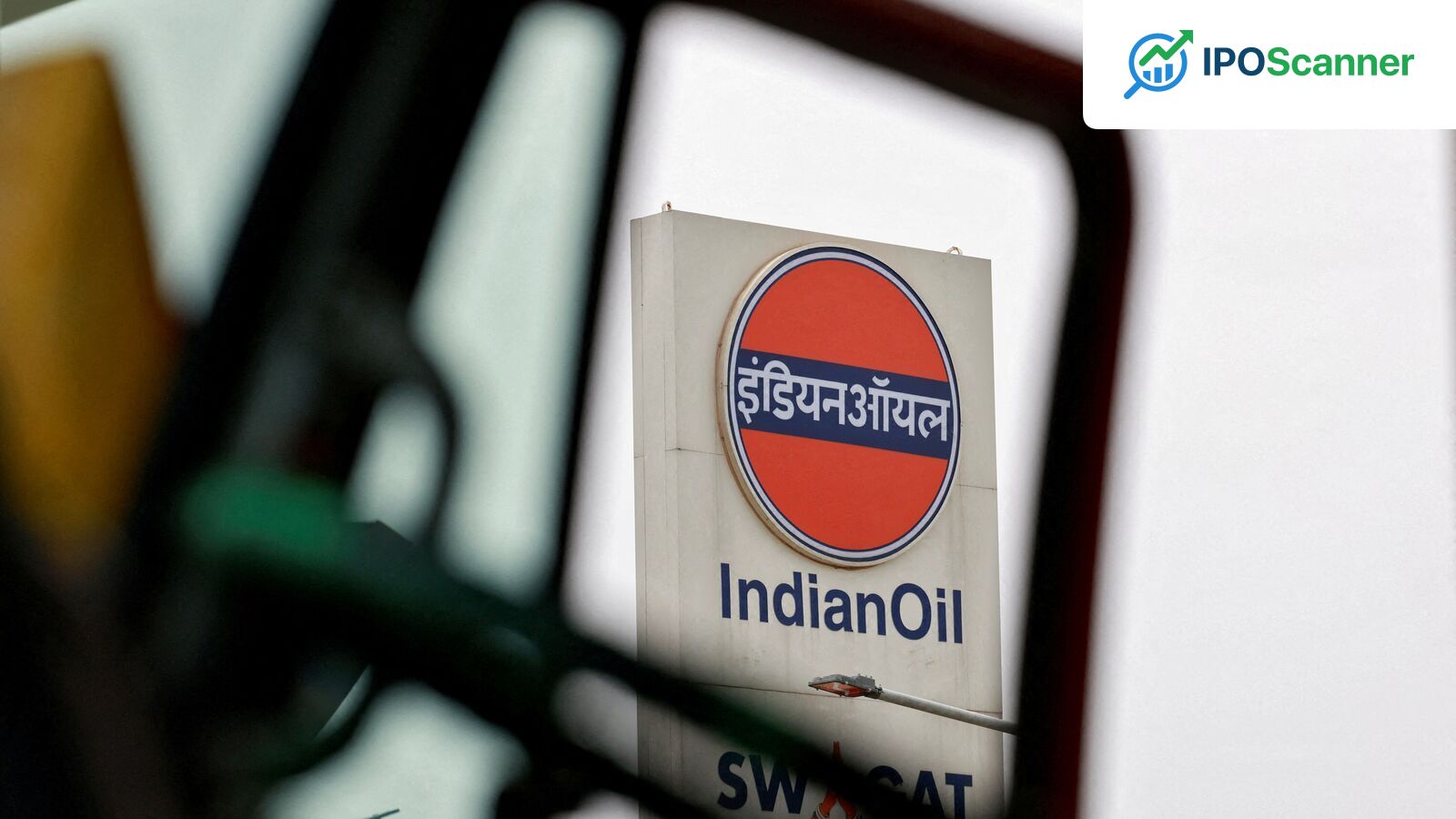
Petrol and Diesel Price Hike: Assessing the Adequacy of ₹3 Fuel Price Increases in Offset OMCs' Growing Losses
Fuel Price Hike in India: A Step in the Right Direction, But Insufficient
India's state-run oil marketing companies (OMCs), which account for nearly 90% of the domestic fuel retail market, raised petrol and diesel prices by over ₹3 per litre each on Friday. This marks the first fuel price hike in four years, a move that was widely anticipated given the significant surge in global crude oil prices. Despite the hike, analysts believe it is insufficient to fully offset the massive under-recoveries accumulated by OMCs over the past few years.
The petrol and diesel price hike comes amid a nearly 50% surge in global crude oil prices over the same period. Petrol and diesel prices had remained unchanged despite sustained pressure from rising international oil prices. Although the petrol and diesel price hike offers some relief to OMCs, analysts believe it is insufficient to fully restore their financial health.
Under-Recoveries and Losses
Read also: Treasury Yields Experience Largest Increase in Two Weeks Following Release of Labor Market Data
According to earlier estimates by the oil ministry, OMCs were incurring losses of around ₹20 per litre on petrol and nearly ₹100 per litre on diesel at prevailing crude oil prices. The cumulative under-recovery for the quarter is expected to surge to nearly ₹2 lakh crore, with losses of around ₹1 lakh crore. Indian Oil Corporation (IOC), Bharat Petroleum Corporation Ltd (BPCL), and Hindustan Petroleum Corporation Ltd (HPCL) were together incurring under-recoveries of ₹1,600–1,700 crore per day by selling fuel below cost.
| Company | Quarterly Under-Recovery (₹ crore) |
|---|---|
| Indian Oil Corporation (IOC) | 550-600 |
| Bharat Petroleum Corporation Ltd (BPCL) | 400-450 |
| Hindustan Petroleum Corporation Ltd (HPCL) | 650-700 |
Impact on Earnings
The ₹3 per litre increase in fuel prices is incrementally positive for OMCs, but remains inadequate to bridge the accumulated losses. Every Re 1 per litre increase in fuel prices can improve annualized EBITDA by roughly ₹15,000–₹16,000 crore for the three PSU OMCs combined, implying that the latest hike could translate into an annualized earnings benefit of nearly ₹45,000–₹48,000 crore across OMCs.
Read also: US-Iran Tensions Spark Uptick in Oil Prices Amid Global Market Decline
However, against estimated industry-wide losses currently running at nearly ₹1 lakh crore monthly, the present hike only offsets a limited portion of the earnings erosion. According to ICRA, at crude oil prices of $105–110 per barrel and factoring in the 10-year average crack spreads for auto fuels, OMCs continue to incur losses of nearly ₹500 crore per day on the sale of auto fuels and domestic LPG, even after the latest fuel price hike.
Macroeconomic Impact
Economists believe the direct impact of the latest fuel price hike on inflation is likely to remain limited, although second-order effects may emerge over time. The direct impact on CPI inflation is expected to remain modest, likely in the range of 10–15 basis points, depending on how transport and logistics costs feed into the broader economy. However, diesel prices are more significant from a macroeconomic perspective, as diesel is widely used in goods transportation, agriculture, and commercial vehicles.
Investor Takeaway
Investors should be cautious of the potential impact of rising fuel prices on the economy.
More in Economy

Treasury Yields Experience Largest Increase in Two Weeks Following Release of Labor Market Data

US-Iran Tensions Spark Uptick in Oil Prices Amid Global Market Decline

MoSPI Releases Uniform Norms for DDP Estimates with 2022-23 Base Year

