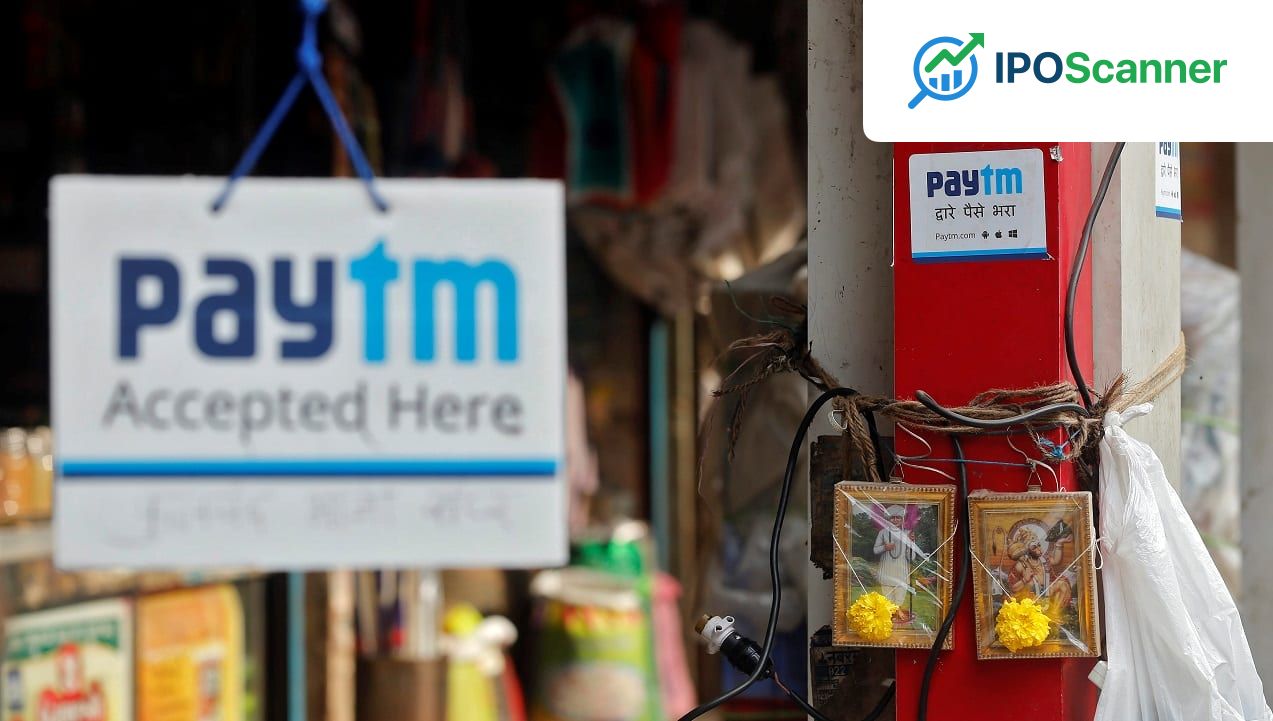
Paytm Payments Bank's Balance Sheet Shrinks, Raising Concerns Over Regulatory Oversight
Paytm Payments Bank Faces Licensing Revocation Amid Regulatory Troubles
The Reserve Bank of India (RBI) has revoked the banking licence of Paytm Payments Bank, effective April 24, 2026, following a series of regulatory restrictions. This move marks the culmination of a long-standing regulatory overhang that has impacted the balance sheet of the payments bank.
Although the parent company, One97 Communication, remains unaffected in terms of profitability, the revocation of the licence is likely to have a tangible impact on the balance sheet of Paytm Payments Bank. The company's outstanding deposits have been on a decline since FY22, with the numbers for FY26 yet to be made public.
Key Developments in the Sequence of Shrinkage
Read also: Treasury Yields Experience Largest Increase in Two Weeks Following Release of Labor Market Data
| Year | Balance Sheet Size (Rs crore) | Outstanding Deposits (Rs crore) |
|---|---|---|
| FY22 | 9,359 | |
| FY23 | 9,843 | 3,285 |
| FY24 | 2,888 | 588 |
| FY25 (End Mar) | 428 |
As per company reports, Paytm Payments Bank's balance sheet has been shrinking since its inception in 2017. The bank received a scheduled bank status from the RBI in 2021, but the regulatory overhang has continued to impact its operations. The RBI barred the firm from taking on new customers in March 2022 due to 'material supervisory concerns' and ordered a full audit into its IT system.
The payments bank's balance sheet size increased to Rs 9,843 crore at the end of FY23, with outstanding deposits rising to Rs 3,285 crore. However, the RBI restriction on accepting fresh deposits, credit transactions, and wallet top-ups in early 2024 led to a significant decline in the balance sheet, falling to Rs 2,888 crore at the end of FY24.
The outstanding deposits took a massive hit, falling from Rs 3,285 crore in FY23 to just Rs 588 crore. The company's other liabilities and provisions also came under pressure, falling from Rs 6,090 crore in FY23 to just Rs 1,987 crore in FY24.
Read also: US-Iran Tensions Spark Uptick in Oil Prices Amid Global Market Decline
FY25 did not provide any respite from the deposits side, as customers were only allowed to withdraw their money, leading to further outflows. As of the end of March 2025, the company had just Rs 1,918 crore worth of liabilities under its kitty.
Despite the regulatory troubles, Paytm Payments Bank has undertaken a comprehensive transformation program to reinforce its compliance framework, streamline operations, and align with industry best practices. The cancellation of its licence points to a stark reality, highlighting the risks of regulatory lapses eroding balance sheets entirely.
Investor Takeaway
Investors should monitor the impact of RBI's decision on Paytm's customer and merchant acquisition/churn.
More in Market

Treasury Yields Experience Largest Increase in Two Weeks Following Release of Labor Market Data

US-Iran Tensions Spark Uptick in Oil Prices Amid Global Market Decline

Indian Stocks to Watch: BHEL, Agarwal Industrial, JBM Auto, Rajesh Exports, Indian Energy Exchange, Lenskart Solutions in Market Focus on June 4.