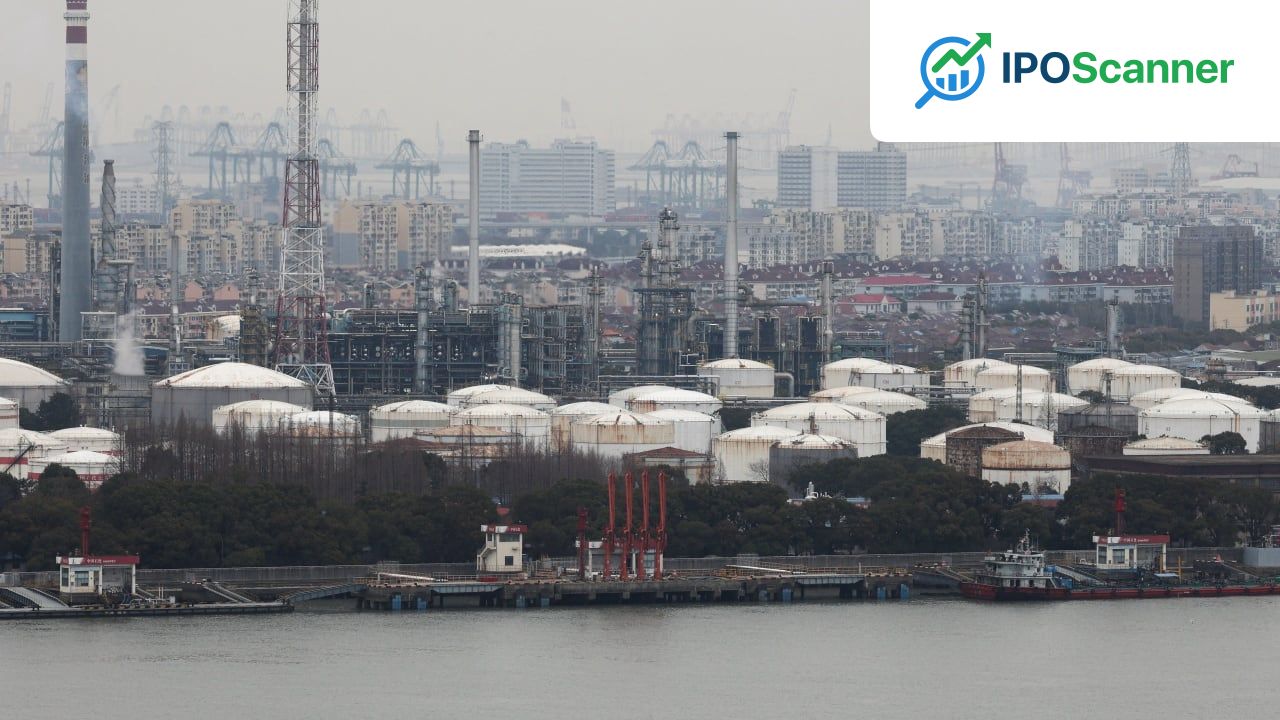
OPEC Output Drops Sharply in Past Month Amid War-Related Disruptions
Global Oil Supply Takes a Devastating Hit as OPEC's Crude Production Plummets
In a stark reminder of the far-reaching consequences of conflict in the Middle East, OPEC's crude oil production plummeted by 7.56 million barrels a day in March, marking the largest single-month decline in at least four decades. According to a Bloomberg survey, the Organization of the Petroleum Exporting Countries' output collapsed by 25% to 22 million barrels a day, underscoring the crippling impact of the war on key members.
The March slump is the largest for a single month since 1989, surpassing even the 1973 Arab oil embargo, which saw a "gross loss" of 5 million barrels a day between October and December of that year. The supply losses have sent crude prices soaring, with Brent futures trading near $110 on Tuesday, while costs for products like jet fuel, diesel, and gasoline threaten pain for consumers.
The war between a US-Israeli alliance and OPEC member Iran has had a particularly devastating impact on Iraq, the OPEC member most reliant on the Strait of Hormuz. Iraqi production declined by 2.76 million barrels a day to 1.63 million a day, while Saudi Arabia and the UAE experienced significant losses, with Saudi production dropping by 2.07 million barrels a day to 8.36 million a day and the UAE's falling by 1.44 million a day to 2.16 million.
Read also: Treasury Yields Experience Largest Increase in Two Weeks Following Release of Labor Market Data
| OPEC Member | Production Decline (March) | New Production Level |
|---|---|---|
| Iraq | 2.76 million barrels/day | 1.63 million barrels/day |
| Saudi Arabia | 2.07 million barrels/day | 8.36 million barrels/day |
| UAE | 1.44 million barrels/day | 2.16 million barrels/day |
Even with their ability to partially divert exports on alternative oil pipelines, Saudi Arabia and the UAE have seen a significant decline in their exports. Ship traffic through Hormuz is slowly recovering, but it remains at a trickle compared with prewar numbers.
Russia, a leading member of OPEC+, has also experienced disruption following a wave of Ukrainian drone attacks on oil export terminals on the Baltic Sea. The key Baltic port of Ust-Luga resumed crude loadings this week, having stopped at the end of March.
Before the war, eight key OPEC+ nations had been in the process of restoring oil production halted several years earlier. On April 5, they agreed to a symbolic supply increase for May in order to continue the process, but warned that it will take a long time to restart oil facilities damaged during the fighting.
Read also: US-Iran Tensions Spark Uptick in Oil Prices Amid Global Market Decline
Investor Takeaway
Investors should be cautious of potential oil price increases due to the sharp drop in OPEC's crude oil production.
More in Economy

Treasury Yields Experience Largest Increase in Two Weeks Following Release of Labor Market Data

US-Iran Tensions Spark Uptick in Oil Prices Amid Global Market Decline

MoSPI Releases Uniform Norms for DDP Estimates with 2022-23 Base Year

