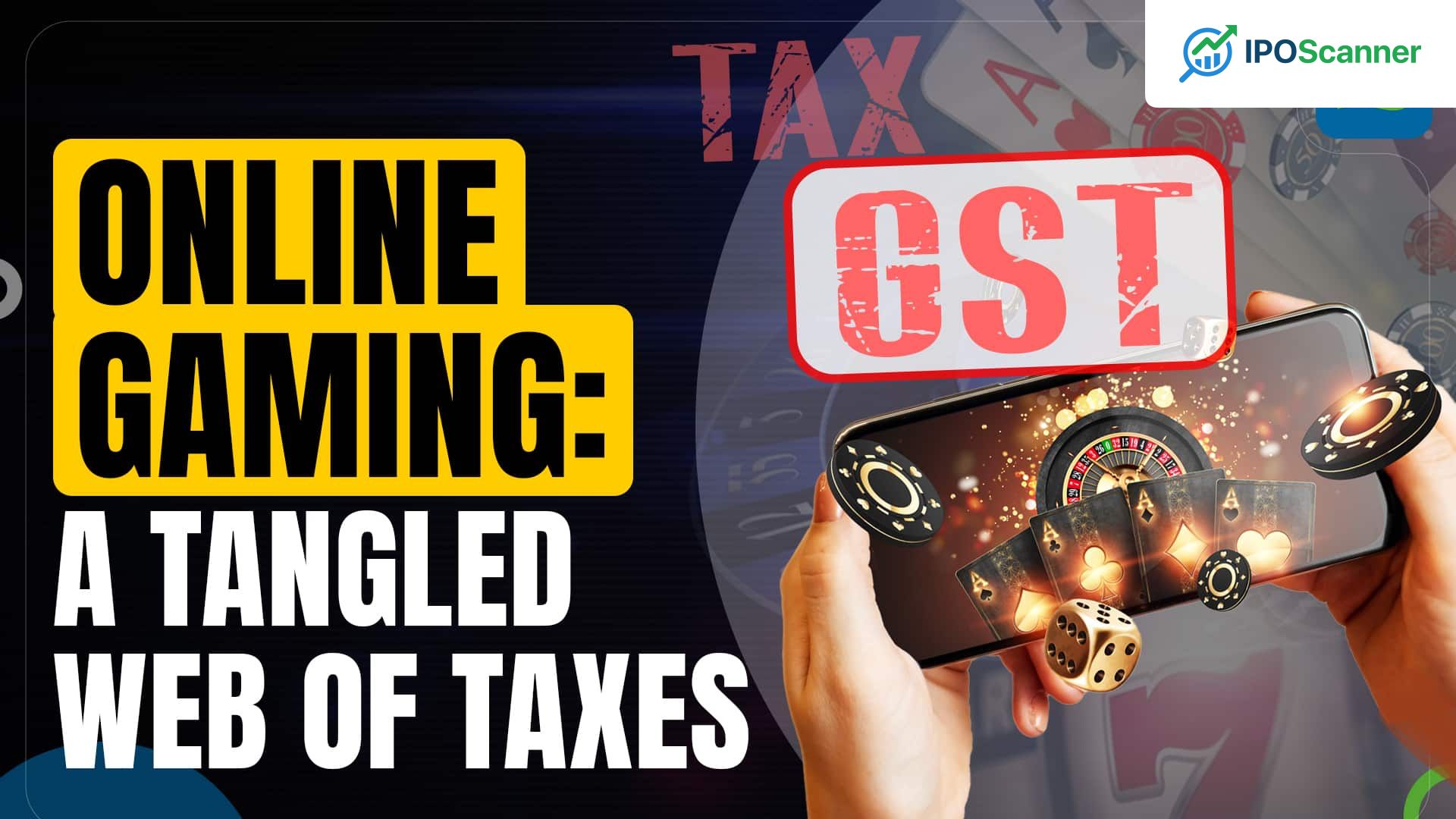
Online Gaming Industry Faces GST Liability: Exploring Options for Compliance
Supreme Court Upholds Constitutional Validity of 28 Percent GST Levy on Online Gaming Transactions
On May 27, the Supreme Court delivered a ruling that upheld the constitutional validity of the 28 percent Goods and Services Tax (GST) levy on online gaming transactions. The court also validated the government's retrospective imposition of the levy on firms, which is seeking more than Rs 1 lakh crore in taxes for pre-October 2023 transactions.
The online gaming industry had challenged the notices in the court on legal and constitutional grounds, citing their inability to pay the dues as their revenues were far lower than the tax demands. The industry had argued that the law allowed 18 percent tax to be levied on games of skill and 28 percent on games of chance, with GST applicable on the "actual transaction value" rather than the "full face value of bets".
However, the Directorate General of GST Intelligence (DGGI) had claimed that the firms deliberately didn't pay 28 percent tax on the "full-face value" of bets on both games of skill and chance. The DGGI had sent notices to the firms, which were based on the government's retrospective imposition of the 28 percent GST levy in October 2023.
GST Liability: A Concern for Online Gaming Firms
The online gaming industry is facing a severe crisis due to the GST liability. Most of the firms have shut down or pivoted to a different model of generating revenue post the ban imposed by the Centre on real money gaming. According to a 2025 report by Interactive Entertainment and Innovation Council (IEIC), and WinZo, the actual revenue generated by online gaming companies in 2024 was Rs 31,000-32,000 crore.
Tax experts and lawyers representing the firms say that the ruling may not practically yield much for GST authorities as the complete ban on online money gaming has resulted in most companies either shutting down or pivoting to some other area of business. They argue that any attempt at recovering such massive GST attempts may not yield any results since the GST amounts demanded are several times higher than cumulative revenues ever earned by these companies.
| Year | Revenues (Rs crore) |
|---|---|
| 2024 | 31,000-32,000 |
| 2025 (projected) | 25,000-30,000 |
Read also: RBI Policy Preview: A Cautionary Wait Ahead
Section 11A of CGST Act: A Possible Solution
Section 11A of the CGST Act gives the central government, on the recommendation of the GST Council, the specific power to waive off past GST liabilities of the industry for a particular period if it's satisfied that the non-payment or under-payment of taxes was due to a "generally prevalent trade practice". This particular clause was introduced in the law through the Finance Act in 2024.
Experts say that the government should invoke Section 11A to grant exemption and regularize the generally prevalent GST position adopted by everyone in this sector till September 2023. This would avoid a lot of unnecessary litigation across India and would also help investor sentiment in the current uncertain geopolitical climate.
| Year | GST Liability (Rs crore) |
|---|---|
| 2023 | 1 lakh crore |
| 2024 | 31,000-32,000 |
Government Response
A senior official in the finance ministry told Moneycontrol that "there is no discussion at the moment on invoking this (Section 11A) clause. But the government is open to engaging with the industry."
Experts say that the ruling may have settled the constitutional validity of the GST levy on online gaming, but the issue of retrospective application continues to raise serious jurisprudential concerns. They argue that the government should consider invoking Section 11A to avoid a lot of unnecessary litigation across India and to help investor sentiment in the current uncertain geopolitical climate.
Investor Takeaway
The online gaming industry may face significant financial liabilities due to the Supreme Court's ruling on GST, which could impact their operations and revenue models.
More in Economy

FirstClub Secures $55 Million in Funding from Peak XV, Sofina, and Other Investors 9 Months After $22 Million Series A Round
RBI Policy Preview: A Cautionary Wait Ahead

RBI Rate Cuts May Come to an End Amid Rising Oil Prices and Weakening Rupee: Expert Analysis