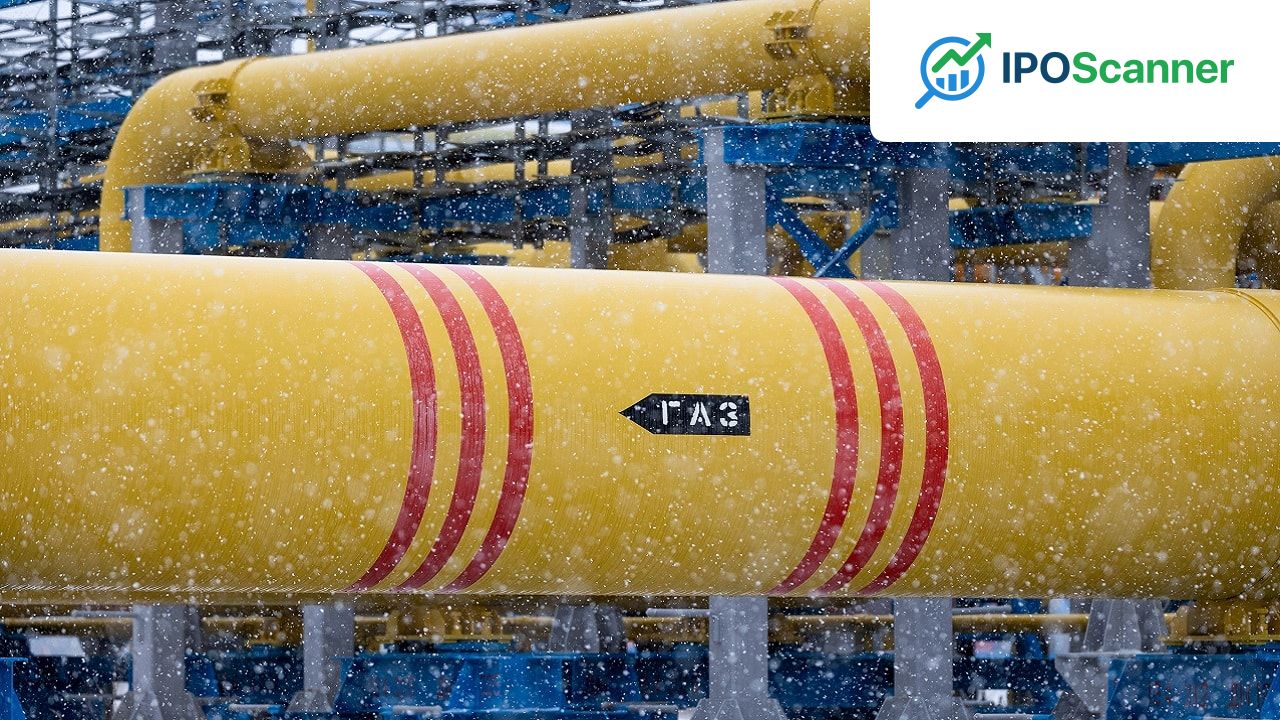
Ongoing Oil Price Surge May Widen India's Current Account Deficit to 2% Amid Growing West Asian Risks
India's Current Account Deficit May Widen to 2% of GDP Amid West Asia Crisis
A recent report by Crisil warns that India's current account deficit (CAD) could expand to around 2 per cent of GDP if the crisis in West Asia persists, driven by a rising import bill and weakening external inflows.
The report notes that under an adverse scenario, higher crude oil prices, rising gas costs, and increased fertiliser imports could significantly increase the trade deficit. A 23 per cent year-on-year rise in crude prices alone is expected to sharply increase the petroleum import bill, which already accounts for a substantial share of total imports.
The report highlights a range of risks to India's external balance, including disruptions in exports to West Asia, elevated shipping and insurance costs, and softer global demand. Additionally, any slowdown in the incomes of Indian workers in West Asia could have a short-term adverse impact on remittances, adding pressure on the CAD.
Read also: Treasury Yields Experience Largest Increase in Two Weeks Following Release of Labor Market Data
| Indicator | Base Case | Adverse Scenario |
|---|---|---|
| Crude Oil Price Rise | - | 23% year-on-year |
| Impact on Petroleum Import Bill | - | Sharp increase |
| Remittance Impact | - | Short-term adverse impact |
| Current Account Deficit (CAD) | 1.5% of GDP | 2% of GDP |
A healthy services trade surplus is expected to provide some cushion to the external balance. However, the report warns that escalating geopolitical tensions and sustained energy price shocks could push the CAD up to 2 per cent. The widening deficit is also seen alongside broader macroeconomic risks, including higher inflation, currency pressures, and tighter financial conditions, if the conflict persists and continues to disrupt energy supplies.
India's economic growth could also experience a moderate slowdown due to higher energy prices and supply disruptions. As a country heavily dependent on energy imports, India remains particularly vulnerable to such shocks. The report outlines a downside scenario where India's GDP growth could ease to 6.8 per cent from the baseline estimate of 7.1 per cent, with input cost pressures from crude oil and reduced availability of gas expected to impact growth, particularly in manufacturing, construction, and services.
Investor Takeaway
Investors should be cautious of the potential widening of India's current account deficit due to rising oil prices and external risks.
More in Economy

Treasury Yields Experience Largest Increase in Two Weeks Following Release of Labor Market Data

US-Iran Tensions Spark Uptick in Oil Prices Amid Global Market Decline

MoSPI Releases Uniform Norms for DDP Estimates with 2022-23 Base Year

