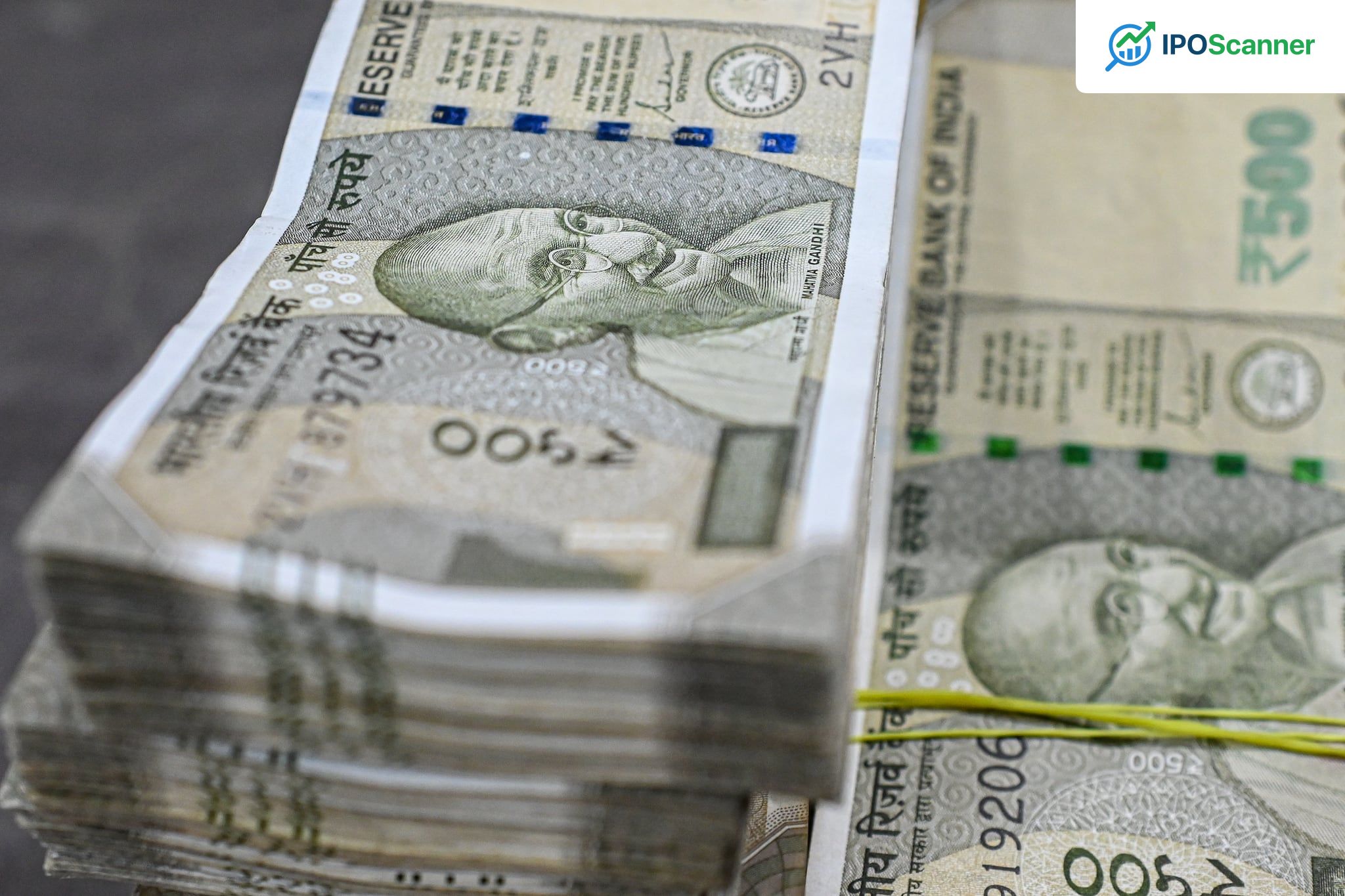
Oil Surge Amid West Asia Crisis Spurs FPI Outflows, Weighs on Rupee
Indian Rupee Hits Record Low, Policymakers and Investors on High Alert
The Indian rupee's sharp decline has emerged as a major economic warning sign for policymakers, investors, and businesses. Once considered one of Asia's more stable currencies, the rupee has now become one of the worst-performing emerging market currencies this year, pressured by a toxic mix of expensive oil, capital outflows, widening trade deficits, and a surging US dollar.
Rupee Value: A Record Low for Six Consecutive Days
The Indian rupee fell to a record low for a sixth consecutive day on Tuesday, hitting 96.70 against the US dollar. The decline was driven by stubbornly high oil prices and persistent portfolio outflows that have strained the current and capital balances of Asia's third-largest economy. The rupee has depreciated about 7 per cent so far in 2026 and is down roughly 6.1 per cent since the outbreak of the Iran conflict in late February.
Read also: Treasury Yields Experience Largest Increase in Two Weeks Following Release of Labor Market Data
| Time Period | Rupee Value (USD) |
|---|---|
| Opening trade 2026 | 89.94 |
| Record low 2026 (June) | 96.70 |
| 2026 YTD | 7% depreciation |
| Since Iran conflict (Feb) | 6.1% depreciation |
Factors Contributing to Rupee's Fall
Several factors are responsible for the fall of the rupee in recent months. One of the key contributors is the increasing import bill due to high oil prices. India imports more than 88 per cent of its crude oil requirements, which puts upward pressure on the demand for dollars.
| Factor | Impact on Rupee |
|---|---|
| Oil Import | Increased demand for dollars due to high oil prices |
| Foreign Portfolio Outflow | Higher dollar demand, weaker emerging-market currencies |
| Gold Import | Adverse impact on India's current account deficit, negative impact on domestic currency |
| Trade Deficit | Higher imports, wider trade deficit, pressure on domestic currency |
| Dollar Strengthening | Weaker emerging-market currencies, sharper depreciation for oil-importing nations like India |
Read also: US-Iran Tensions Spark Uptick in Oil Prices Amid Global Market Decline
RBI Intervention and Limits
The Reserve Bank of India has repeatedly intervened in currency markets by selling dollars from its foreign exchange reserves to slow the rupee's decline. However, intervention can only smooth volatility and cannot permanently reverse a currency trend driven by structural pressures like high oil prices and capital outflows.
Impact on Economy
A falling rupee would make import costlier, stoking prices of essential items. The basket of Indian imports includes crude oil, coal, plastic material, chemicals, electronic goods, vegetable oil, fertiliser, machinery, gold, pearls, precious, and semi-precious stones, and iron and steel. Besides, education, medical treatment, and travel overseas become costlier. There are apprehensions that India's Current Account Deficit (CAD) may also widen due to weakness in the domestic currency.
Why the Falling Rupee Matters
A weaker rupee affects almost every part of the economy, including imported inflation, pressure on fuel prices, corporate stress, and current account risks.
Can the Rupee Recover?
Much depends on oil prices and global capital flows. The rupee could stabilise if crude prices cool, geopolitical tensions ease, foreign inflows return, or the US Federal Reserve signals lower interest rates. However, if oil prices remain elevated and risk aversion deepens globally, pressure on the rupee may persist.
Investor Takeaway
Investors should be cautious of the Indian rupee's decline and its potential impact on the economy.
More in Economy

Treasury Yields Experience Largest Increase in Two Weeks Following Release of Labor Market Data

US-Iran Tensions Spark Uptick in Oil Prices Amid Global Market Decline

MoSPI Releases Uniform Norms for DDP Estimates with 2022-23 Base Year

