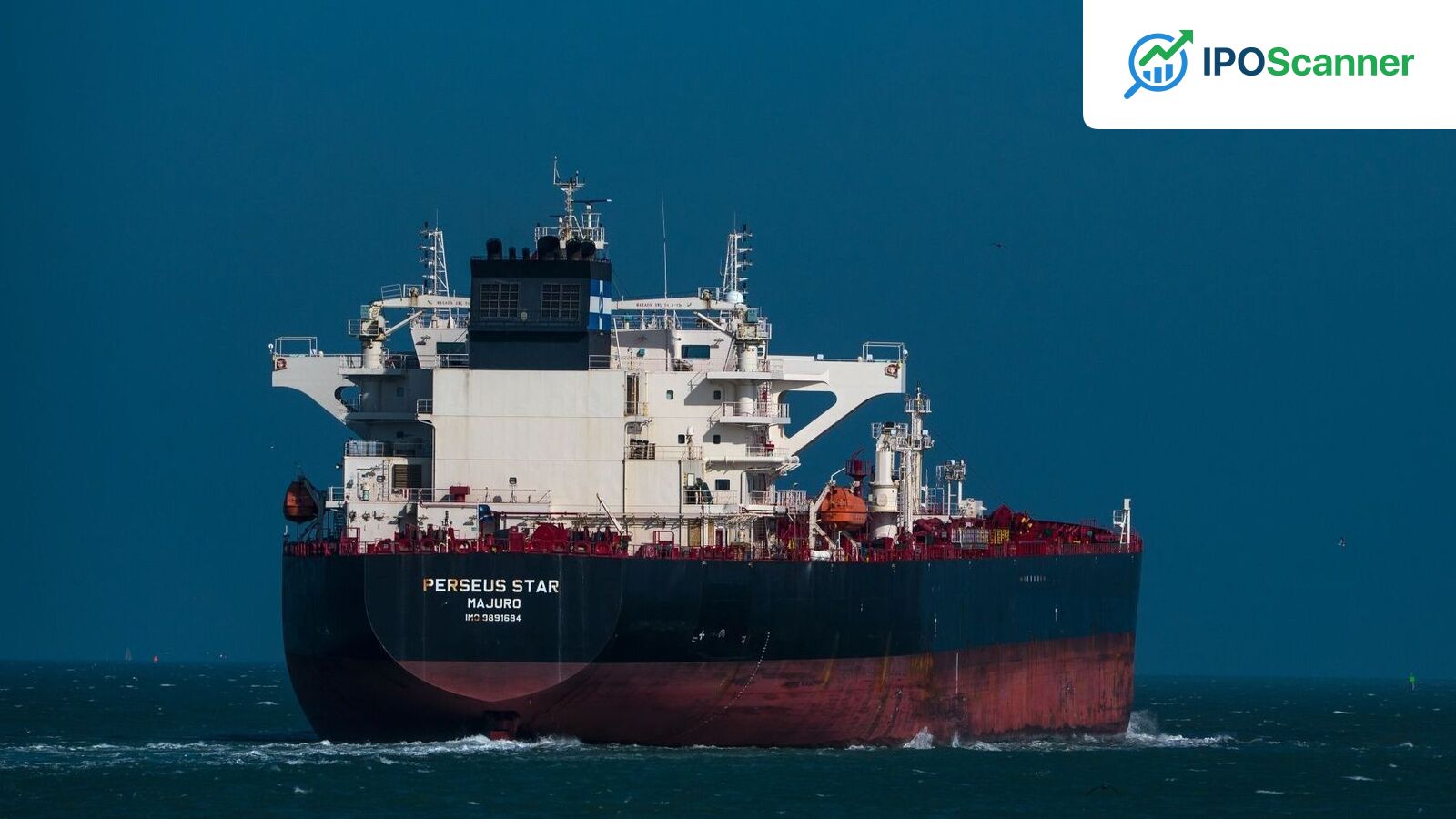
Oil Prices Surge Above $111 as US-Iran Tensions Escalate Ahead of Presidential Deadline
US-Iran Tensions Escalate, Oil Prices Surge
On Tuesday, April 7, oil prices continued their upward trajectory for the third session straight, following US President Donald Trump's escalation of threats against key Iranian infrastructure. Trump warned that he would rain "hell" on Tehran if his demands are not fulfilled by the Tuesday deadline.
As a result, Brent crude hovered close to $111 per barrel after gaining 0.7% in the previous session, while West Texas Intermediate (WTI) traded near $115, marking its highest close since June 2022. Back home, crude oil prices on the Multi Commodity Exchange (MCX) also followed a similar trend, jumping as much as 2% to 10,786 per barrel.
The conflict has rattled global crude markets, with spot premiums for US WTI crude climbing to record levels as refiners across Asia and Europe rush to secure alternative supplies amid disrupted Middle Eastern flows. The Strait of Hormuz, which typically carries around 20% of the world's oil supply, has been effectively closed by Iran since February 28, following US and Israeli strikes.
Read also: Treasury Yields Experience Largest Increase in Two Weeks Following Release of Labor Market Data
| Comparison of Oil Prices | | --- | --- | | Brent Crude (April 7) | $111 per barrel | | WTI Crude (April 7) | $115 per barrel | | WTI Crude (June 2022) | $115 per barrel |
In a separate development, Russia reported that Ukrainian drones struck the Caspian Pipeline Consortium terminal on the Black Sea, damaging loading facilities and storage tanks, and responsible for about 1.5% of global oil supply.
Meanwhile, the Organization of the Petroleum Exporting Countries (OPEC+) agreed on Sunday to raise output quotas by 206,000 barrels per day in May, though the increase is expected to be largely symbolic, as key producers are unable to boost exports due to the Strait disruption.
According to Anindya Banerjee, Head of Commodity and Currency Research at Kotak Securities, crude oil remains the clear focal point, with prices extending sharply higher as the conflict broadens across West Asia. Banerjee noted that markets are increasingly pricing in sustained supply disruption risk, particularly around the Strait of Hormuz, with WTI nearing $115 per barrel and Brent approaching $112.
Read also: US-Iran Tensions Spark Uptick in Oil Prices Amid Global Market Decline
Banerjee added that if crude continues to push higher into and beyond this deadline, the impact could extend into adjacent energy chains, tightening global supplies of methanol, urea, and polymers, and lifting input costs and adding to inflationary pressure.
Choice Broking, a brokerage firm, expects crude oil prices to remain bullish or highly volatile in the near term. "As long as the Strait of Hormuz remains disrupted and supply losses persist, prices may stay elevated or test higher levels. Any signs of ceasefire or reopening of the strait could trigger a sharp correction, but until then, supply tightness will continue to support upward momentum," said the brokerage firm.
Investor Takeaway
Oil prices may continue to surge due to escalating US-Iran tensions.
More in Economy

Treasury Yields Experience Largest Increase in Two Weeks Following Release of Labor Market Data

US-Iran Tensions Spark Uptick in Oil Prices Amid Global Market Decline

MoSPI Releases Uniform Norms for DDP Estimates with 2022-23 Base Year

