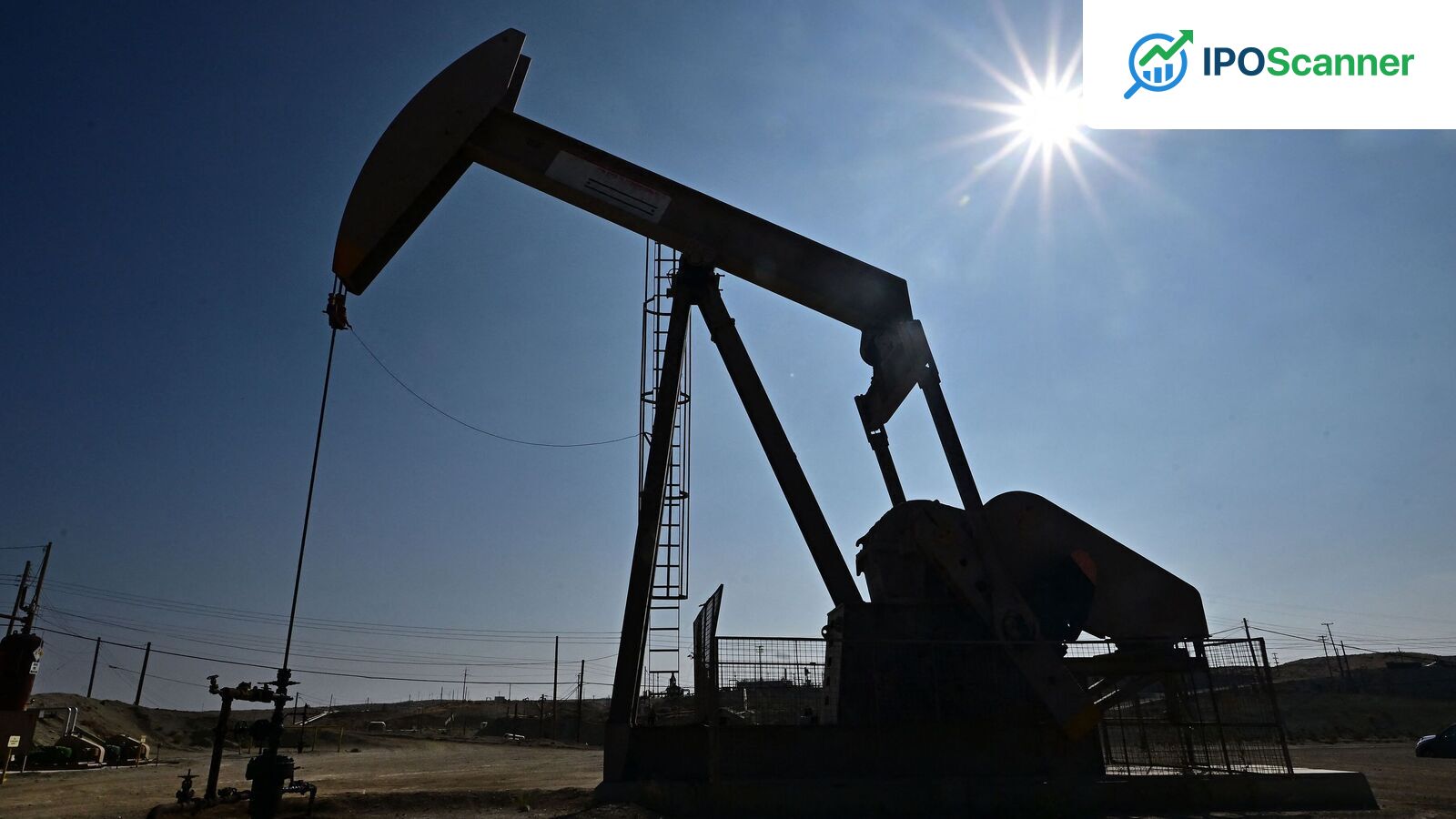
Oil Prices Slide Amid Hopes of US-Iran Diplomatic Progress, Brent Crude at $97
US-Iran War Tensions Ease, Oil Prices Decline
Oil prices saw a decline on Thursday, 4 June, as a ceasefire agreement between Israel and Lebanon raised optimism about a broader resolution to the US-Israeli conflict with Iran. The sentiment was also influenced by the US House passing a resolution aimed at limiting President Donald Trump's authority to engage in military action.
The Brent crude futures fell 67 cents, or 0.69%, to $97.14 per barrel, while US West Texas Intermediate (WTI) crude dropped 62 cents, or 0.65%, to $95.40 per barrel. The benchmark indices climbed around 2% on Wednesday, building on gains from the previous session amid escalating tensions in the Middle East, including Iranian attacks on Kuwait and US military strikes near the Strait of Hormuz.
In India, crude oil prices on the Multi Commodity Exchange (MCX) also witnessed similar downward movement, tracking global oil prices. MCX Crude oil prices fell 1.26% to ₹9,124 per barrel.
Read also: Mutual Funds Avoid Rajesh Exports Amidst Declining Performance, LIC Holds Significant Stake
Crude Oil Price Comparison
| Index | Thursday's Price | Change |
|---|---|---|
| Brent Crude | $97.14 per barrel | -0.69% |
| US WTI Crude | $95.40 per barrel | -0.65% |
| MCX Crude Oil | ₹9,124 per barrel | -1.26% |
The Republican-controlled House passed a resolution on Wednesday seeking to prevent President Trump from continuing military action against Iran. However, the measure would still require Senate approval and a two-thirds majority in both chambers to overcome an almost certain presidential veto.
President Trump indicated on Wednesday that negotiations with Iran could see progress as early as this weekend, according to a Bloomberg report. Iranian Foreign Minister Abbas Araqchi stated that communication channels between Tehran and Washington remain open, although no breakthrough has been achieved in the talks so far.
Read also: AI's Trillion-Dollar Bet Raises Concerns About Global Economic Stability
According to the report, Trump said the Strait of Hormuz would reopen “immediately” once Iran signed a memorandum of understanding to halt armed hostilities, subject only to the clearance of a few remaining areas and any mines present. He also sought to allay concerns over the impact of mines on commercial shipping through the waterway.
Near-Term Outlook of Crude Oil Price
Anindya Banerjee, Head of Commodity and Currency Research at Kotak Securities, believes that Brent is likely to trade a wide and choppy $92–100 band in the near term. "A credible written framework between Washington and Tehran could quickly knock $5–6 off prices, while any strike on Gulf energy infrastructure could push Brent back above $100," Banerjee said.
Ponmudi R, CEO of Enrich Money, said that MCX Crude Oil is trading above the ₹9,000 zone, staging a technical bounce from the lower end of the ascending trendline near ₹8,200 that continues to provide structural support. "Immediate resistance stands at ₹9,150–₹9,200; a sustained move above this zone could trigger a recovery toward ₹9,250–₹9,330. On the downside, ₹8,860–₹8,800 acts as immediate support; a break below this area could extend the decline toward the ₹8,750 zone," Ponmudi said.
Investor Takeaway
Oil prices may continue to fluctuate based on diplomatic developments in the Middle East.
More in Economy

Mutual Funds Avoid Rajesh Exports Amidst Declining Performance, LIC Holds Significant Stake

AI's Trillion-Dollar Bet Raises Concerns About Global Economic Stability

Citi CEO Confident in India's Long-term Growth Prospects