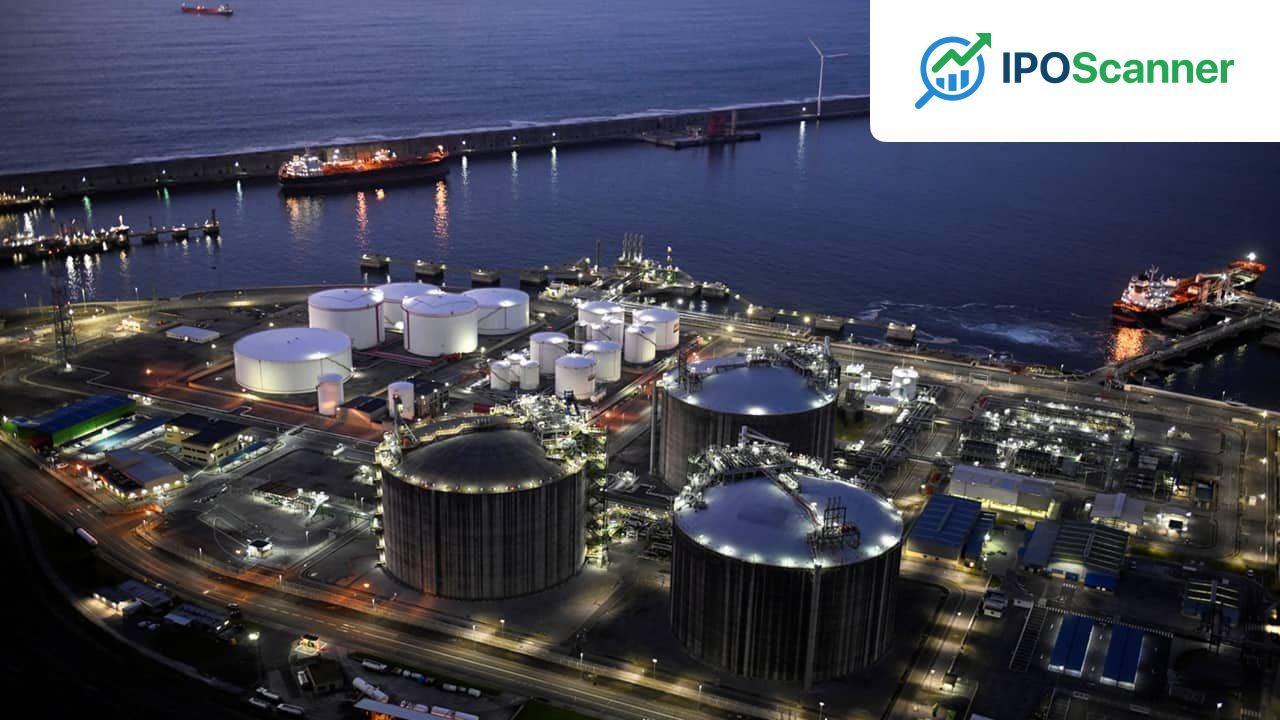
Oil Prices Mask Underlying Market Trends
Global Oil Market Disruption: Prices Surge as Supply Disruptions Mount
The global oil market is experiencing a significant price surge due to ongoing supply disruptions in the Middle East. The global Brent benchmark has increased by over 50% to approximately $112 per barrel, while the cost of physical oil is surging even more. This price gap is primarily driven by the near-complete closure of the Strait of Hormuz and attacks on Middle East energy facilities, which have reduced oil supplies.
Refiners in Asia, the top consuming region, are purchasing oil cargoes from thousands of miles away at significant premiums to Brent prices. The impact of higher fuel costs is being felt by trucking companies, with some parts of the world experiencing reduced purchases of fuels that power ships. Jet fuel prices have surpassed $200 per barrel, leading major European airlines to warn that passengers will bear the extra costs.
The disconnect between oil futures and physical oil prices is partly attributed to aggressive US attempts to keep prices under control, including the release of emergency supplies. However, this has created a significant inflationary hit on the global economy, which is piling pressure on central bankers and the Trump administration ahead of the November midterm elections.
Read also: Treasury Yields Experience Largest Increase in Two Weeks Following Release of Labor Market Data
Goldman Sachs Group Inc. and Citigroup Inc. have predicted that if the conflict continues, oil futures could reach record highs, surpassing the $147.50 set in 2008. The International Energy Agency has described the current supply disruption as the biggest-ever oil supply disruption. Approximately 17 million barrels of oil per day are being affected by the conflict.
The US Treasury Secretary has hinted at releasing another stockpile of oil and potentially lifting some sanctions on Iranian oil, despite being at war with Tehran. Other efforts to tame prices include the unsanctioning of Russian oil at sea. However, the impact of these measures is limited compared to the disruption in Hormuz.
The signs of stress are growing, with container shipping lines adding fuel surcharges and huge price swings in shipping fuel markets causing some marine fuel buyers to hold off on large orders. In the US, retail gasoline prices are approaching $4 per gallon, while diesel prices have exceeded $5. In Germany, people are only buying heating oil "when absolutely necessary" due to high prices, and airlines have canceled some flights as jet fuel soars.
Asia's scramble for real-world barrels of crude is evident, with the Oman benchmark in the Middle East rising above $162 per barrel and Murban crude from the United Arab Emirates topping $145. Asian buyers have scooped up the most American oil in three years, hunting for replacements for Middle Eastern flows that increasingly look like they'll be curtailed for longer.
Read also: US-Iran Tensions Spark Uptick in Oil Prices Amid Global Market Decline
Investor Takeaway
Investors should be cautious of the potential market impact of rising oil prices and supply disruptions.
More in Economy

Treasury Yields Experience Largest Increase in Two Weeks Following Release of Labor Market Data

US-Iran Tensions Spark Uptick in Oil Prices Amid Global Market Decline

MoSPI Releases Uniform Norms for DDP Estimates with 2022-23 Base Year

