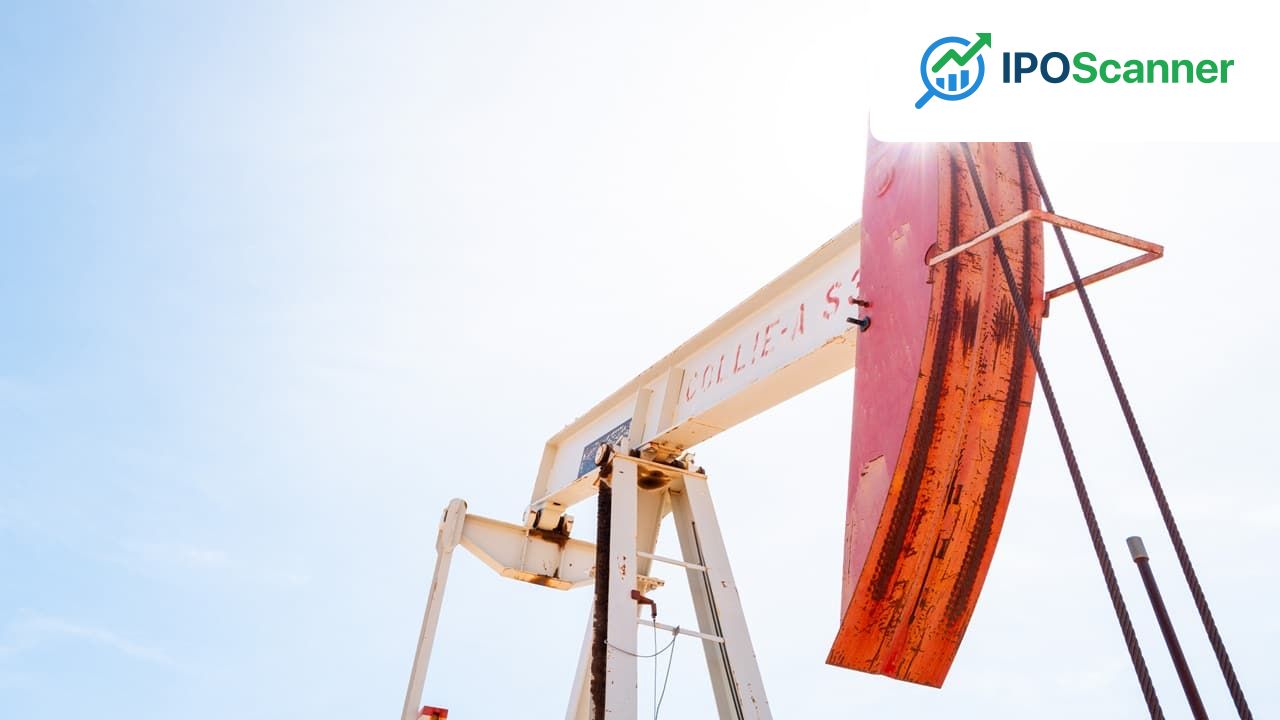
Oil Prices Decline by Nearly 7% Amid Signs of US-Iran Rapprochement
Oil Prices Fall 7% as US and Iran Move Closer to Peace Deal
Oil prices plummeted nearly 7% on Monday as optimism grew that the United States and Iran were making progress towards a peace deal that would reopen the Strait of Hormuz, despite both sides playing down hopes for an imminent breakthrough. This development has significant implications for the global oil market.
Brent crude futures took a hit, dropping $7.24, or almost 7%, to $96.30 a barrel at 2:29 p.m. ET (1843 GMT). Meanwhile, U.S. West Texas Intermediate futures fell $6.30, or 6.5%, to $90.88. Trading volumes were light due to the U.S. Memorial Day holiday.
The latest developments in the peace talks come as Iran's top negotiator and foreign minister met with Qatar's prime minister in Doha for talks on a potential deal with the U.S. to end the three-month-old war. According to an official briefed on the visit, both sides have made progress on a memorandum of understanding that would halt the war and give negotiators 60 days to reach a final deal.
Read also: Treasury Yields Experience Largest Increase in Two Weeks Following Release of Labor Market Data
However, analysts remain cautious, citing previous instances where negotiations have stalled on the details. Even if a peace deal is reached, it will likely take months for oil flows through the strait to return to normal, as damaged oil and gas facilities are repaired. The underlying supply shortfall of 10-11 million barrels per day does not go away immediately and will see markets drawing inventories until Middle Eastern crude production is back online, which is months away.
Comparison of Oil Futures Prices
| Brent Crude Futures | U.S. West Texas Intermediate Futures | |
|---|---|---|
| Price Drop | $7.24 (almost 7%) | $6.30 (6.5%) |
| New Price | $96.30 a barrel | $90.88 |
Despite the optimism surrounding the peace talks, U.S. President Donald Trump issued a warning on Monday, stating that talks with Iran were going "nicely," but warning of fresh attacks if they failed. He also urged more Arab and Muslim states to sign up to the Abraham Accords, which aim to normalize ties between Arab and other Muslim-majority states and Israel.
Read also: US-Iran Tensions Spark Uptick in Oil Prices Amid Global Market Decline
Iran's foreign ministry has denied that nuclear issues are currently being discussed, despite analysts expecting a deal to significantly reduce the risk premium in the Middle East. Ship-tracking data has shown that three liquefied natural gas tankers have passed through the strait in recent days, heading to Pakistan, China, and India, as well as a supertanker with Iraqi crude for China after being stranded for nearly three months.
Investor Takeaway
Oil prices may stabilize as US-Iran tensions ease.
More in Economy

Treasury Yields Experience Largest Increase in Two Weeks Following Release of Labor Market Data

US-Iran Tensions Spark Uptick in Oil Prices Amid Global Market Decline

MoSPI Releases Uniform Norms for DDP Estimates with 2022-23 Base Year

