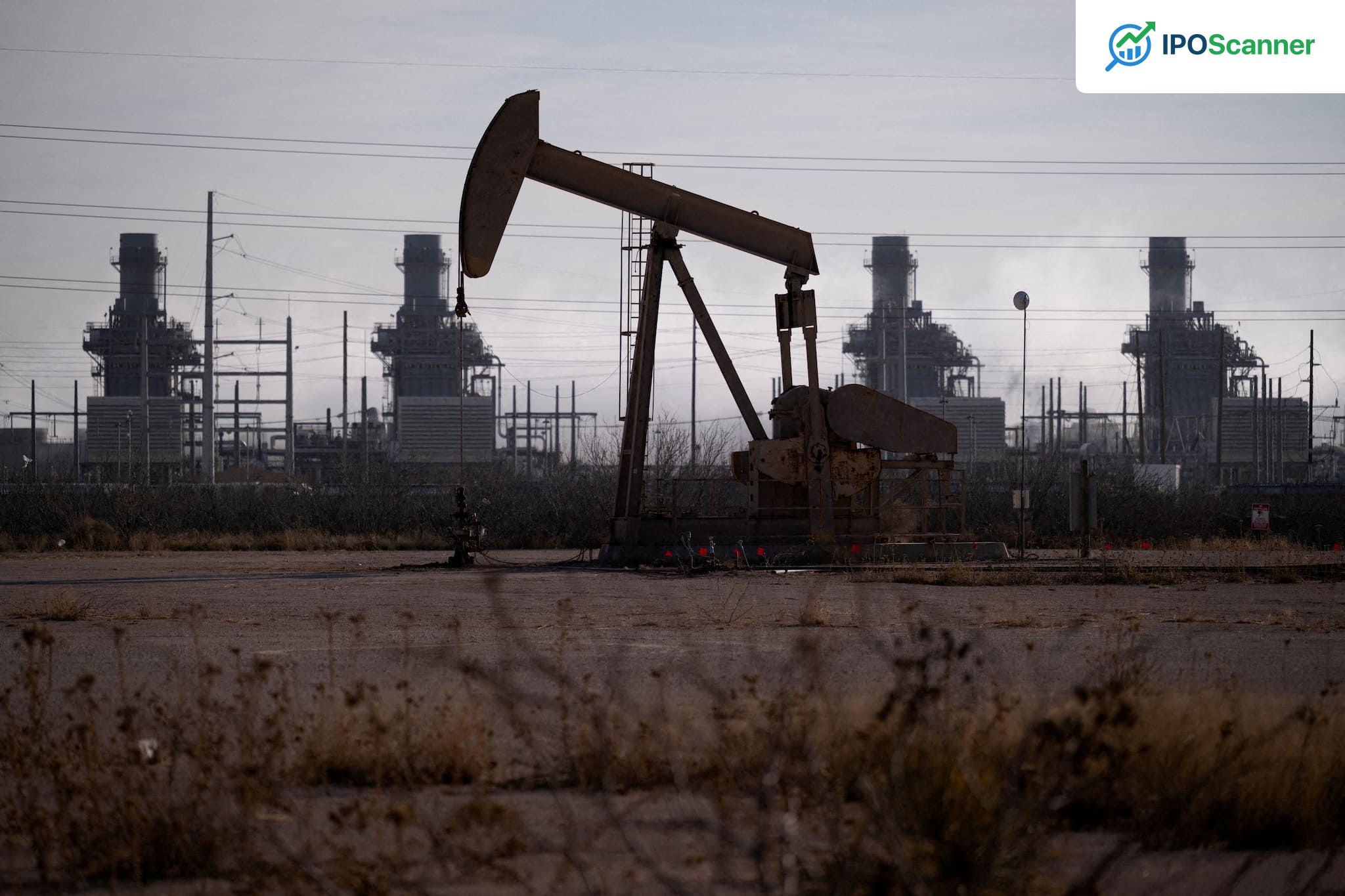
Oil Prices Continue to Rise Amid Escalating Tensions with Iran
Global Oil Markets on High Alert as Trump Threatens Iran
Oil prices continued their upward trajectory on Tuesday, as U.S. President Donald Trump intensified his rhetoric against Iran, threatening stronger action if the country fails to reopen the Strait of Hormuz, a key global oil transit chokepoint. The Brent crude futures rose by 57 cents, or 0.5%, to $110.34 a barrel by 1202 GMT, while U.S. West Texas Intermediate crude futures were up $1.26, or 1.1%, at $113.67.
The escalation of tensions in the Middle East has put global crude markets under significant pressure, with spot premiums for U.S. WTI crude surging to record highs as Asian and European refiners scramble to secure replacement supplies amid disrupted Middle Eastern flows. Saudi Arabia's state oil company Aramco raised the official selling price of its Arab Light crude to Asia for May delivery, setting a record premium of $19.50 a barrel above the Oman/Dubai average.
Tensions in the region continued to rise on Tuesday, with Iran's Revolutionary Guards halting two Qatar liquefied natural gas tankers and directing them to hold position without providing explanations. Shipping data has shown limited vessel movement through the strait since last Thursday. The U.N. Security Council is expected to vote on a resolution to protect commercial shipping in the Strait of Hormuz, but in a significantly watered-down form after veto-wielding China opposed authorizing force.
Read also: Treasury Yields Experience Largest Increase in Two Weeks Following Release of Labor Market Data
Key Developments in the Region
| Entity | Action | Impact |
|---|---|---|
| Iran | Refused to reopen the Strait of Hormuz | Disrupted oil flows, increased supply concerns |
| Saudi Arabia | Intercepted and destroyed seven ballistic missiles | Protected energy facilities, maintained regional stability |
| Israel | Interception of Iranian missiles in Syria | Prevented potential attacks on energy facilities, maintained regional stability |
| Russia | Reporting damage to Caspian Pipeline Consortium's terminal | Curbed oil exports, increased supply concerns |
| OPEC+ | Agreed to lift oil output quotas by 206,000 bpd in May | Partially offset supply concerns, maintained regional stability |
The attack in the region continued on Tuesday, with explosions heard in the Syrian capital, Damascus, and surrounding countryside, reportedly caused by the Israeli interception of Iranian missiles. Saudi Arabia also intercepted and destroyed seven ballistic missiles launched towards its Eastern Region, with debris falling near energy facilities.
The conflict has pressured global crude markets, with the potential for a ceasefire deal offering some counterweight and potentially sparking a relief move lower if it gains traction. However, persistent supply worries from the Hormuz chokepoint and damaged energy facilities are keeping the floor under prices.
Read also: US-Iran Tensions Spark Uptick in Oil Prices Amid Global Market Decline
Investor Takeaway
Oil prices may continue to rise due to escalating tensions with Iran.
More in Economy

Treasury Yields Experience Largest Increase in Two Weeks Following Release of Labor Market Data

US-Iran Tensions Spark Uptick in Oil Prices Amid Global Market Decline

MoSPI Releases Uniform Norms for DDP Estimates with 2022-23 Base Year

