Oil Prices Climb Amid Uncertainty Over Potential US-Iran Ceasefire Impact on Global Supplies
Oil Prices Rise Amid Concerns Over Strait of Hormuz
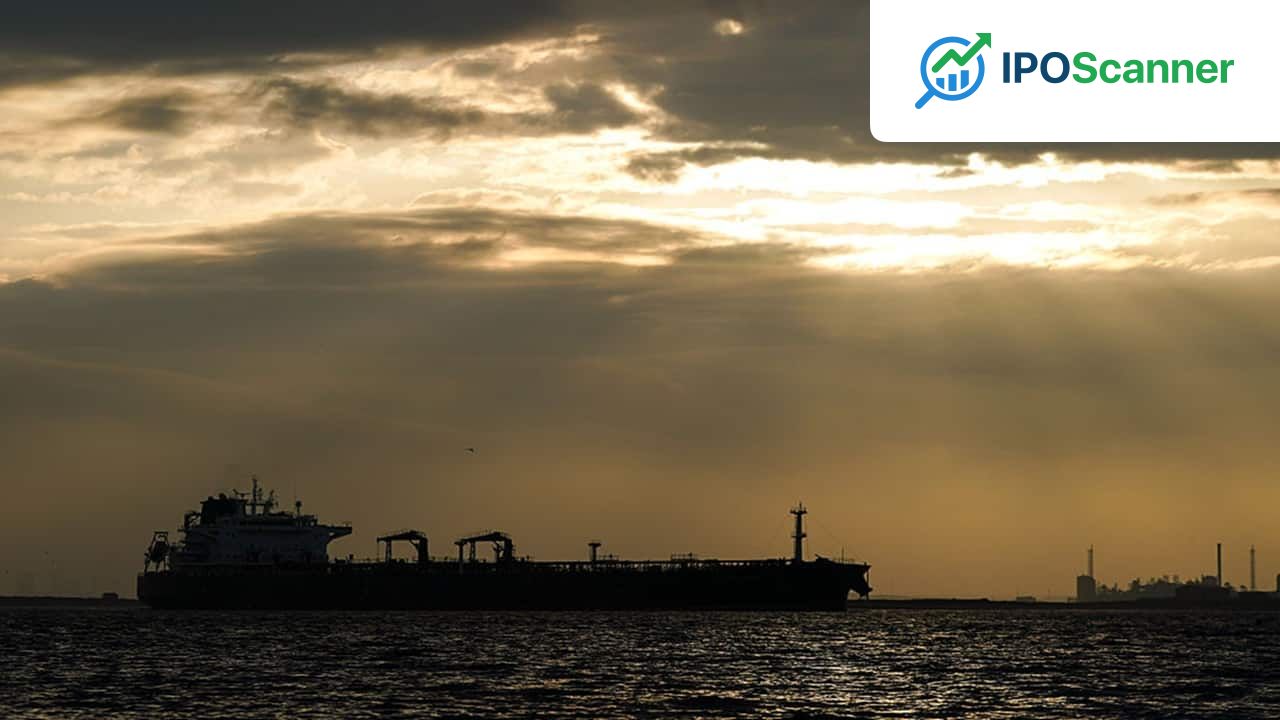
Oil prices surged on Thursday, driven by investors' concerns over the potential disruption to oil supply from the Middle East due to the ongoing ceasefire between the U.S. and Iran. The crucial Strait of Hormuz, which connects major oil producers such as Iraq, Saudi Arabia, Kuwait, and Qatar to global markets, remains restricted, casting uncertainty over the prospects for a full resumption of supply.
Brent crude futures rose by $2.6, or 2.74%, to $97.35 a barrel at 0048 GMT, while U.S. West Texas Intermediate (WTI) crude increased by $3.02, or 3.2%, to $97.43 a barrel. This comes after both benchmark prices fell below $100 per barrel in the previous trading session, with WTI recording its biggest decline since April 2020 on expectations that the ceasefire would reopen the Strait of Hormuz.
The Strait of Hormuz typically carries about 20% of the world's oil supply, making it a critical waterway for global markets. However, doubts about the ceasefire's viability remain, with Israel continuing to attack Lebanon on Wednesday. This has led Iran to suggest that it would be "unreasonable" to proceed with talks to forge a permanent peace deal.
Read also: Treasury Yields Experience Largest Increase in Two Weeks Following Release of Labor Market Data
Shippers have expressed a need for more clarity on the terms of the ceasefire before resuming transit through the Strait of Hormuz. Iran has issued maps to guide ships around mines in the waterway and designated safe paths for passage in coordination with the country's Revolutionary Guards. However, analysts at Standard Chartered have noted that transit through the Strait of Hormuz is not "suddenly risk-free" and remains at Iran's discretion.
| Benchmark Price | Previous Day's Price | Change |
|---|---|---|
| Brent Crude | $94.75 | $2.6 (2.74%) |
| WTI Crude | $94.41 | $3.02 (3.2%) |
Regional oil facilities also remain under threat, with Iran striking sites in nearby countries, including a pipeline in Saudi Arabia that has been used to bypass the blockaded Strait of Hormuz. Kuwait, Bahrain, and the UAE have also reported missile and drone strikes. The ceasefire's prospects are further complicated by Israel's strikes on Lebanon's Hezbollah and the ongoing attacks on energy facilities across the Middle East. Conflicting statements over the Strait of Hormuz have also added to the uncertainty, with Haitong Futures expressing doubts over the ceasefire's ability to hold.
Investor Takeaway
Investors should be cautious of potential supply disruptions in the Middle East.
More in Economy

Treasury Yields Experience Largest Increase in Two Weeks Following Release of Labor Market Data

US-Iran Tensions Spark Uptick in Oil Prices Amid Global Market Decline

MoSPI Releases Uniform Norms for DDP Estimates with 2022-23 Base Year

