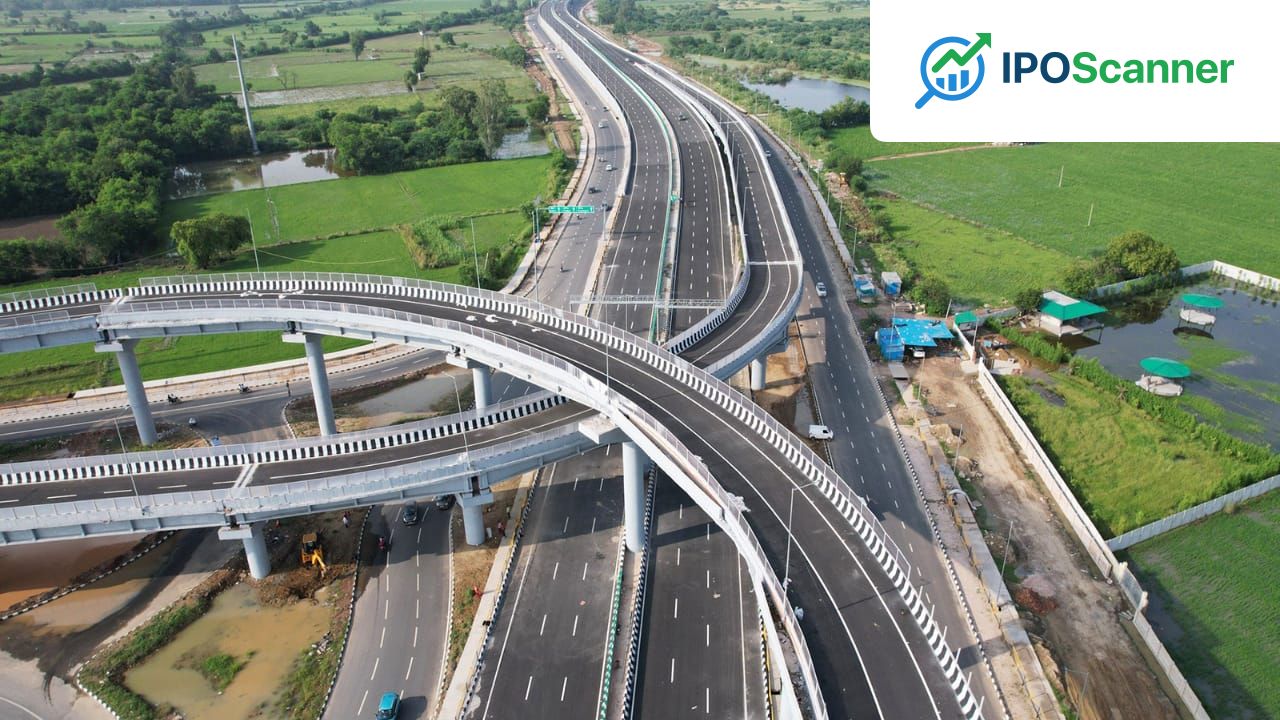
NHAI Introduces Nation's First Automated Toll Collection System on NH-48 in Gujarat
India's First Multi-Lane Free Flow Tolling System Launched in Gujarat
The Ministry of Road Transport & Highways has announced the launch of India's first Multi-Lane Free Flow (MLFF) tolling system in Gujarat, marking a significant shift towards barrier-less highway travel. The new system, implemented by the National Highways Authority of India (NHAI), has been successfully launched at the Chorayasi Toll Plaza on the Surat-Bharuch section of NH-48 in Gujarat.
The MLFF system removes physical toll barriers, enabling seamless vehicle movement and introducing barrier-less tolling with minimal human intervention. This approach allows vehicles to pass through toll locations without stopping, ensuring a smooth traffic flow. On the first day after the implementation of the system, around 41,500 vehicles crossed the MLFF toll location.
The system utilizes advanced technologies such as Automatic Number Plate Recognition (ANPR) and FASTag-based electronic toll collection for automated tolling. This marks a paradigm shift in the travel experience for National Highway users, significantly enhancing efficiency and convenience. The ministry noted that the system will "significantly reduce congestion, improve travel time, enhance fuel efficiency and lower vehicular emissions on National Highways."
Read also: Treasury Yields Experience Largest Increase in Two Weeks Following Release of Labor Market Data
For smooth functioning, highway users are advised to ensure sufficient balance in their FASTag accounts. In cases of insufficient balance or invalid FASTags, users will be issued an Electronic Notice (E-Notice) for non-payment of user fee. Failure to pay the normal user fee within 72 hours of the E-Notice will result in the user fee being charged at twice the normal rate of the vehicle category. Non-payment could also attract further penalties, including blacklisting of FASTag and restriction of other vehicle-related services through the VAHAN platform.
The introduction of the MLFF system is expected to improve operational efficiency, strengthen toll operations by enhancing transparency, and reduce operational costs of setting up toll plazas. The system will support a more robust, efficient, and cost-effective tolling ecosystem across the National Highway network.
| System | Description | Impact |
|---|---|---|
| MLFF System | Barrier-less tolling with minimal human intervention | Reduced congestion, improved travel time, enhanced fuel efficiency, and lower vehicular emissions |
| FASTag-based Electronic Toll Collection | Automated tolling using Automatic Number Plate Recognition (ANPR) | Enhanced efficiency and convenience for National Highway users |
The MLFF rollout is a significant step towards transforming electronic toll collection in the country, and the government is advising users to ensure smooth functioning of the system.
Read also: US-Iran Tensions Spark Uptick in Oil Prices Amid Global Market Decline
More in Economy

Treasury Yields Experience Largest Increase in Two Weeks Following Release of Labor Market Data

US-Iran Tensions Spark Uptick in Oil Prices Amid Global Market Decline

MoSPI Releases Uniform Norms for DDP Estimates with 2022-23 Base Year

