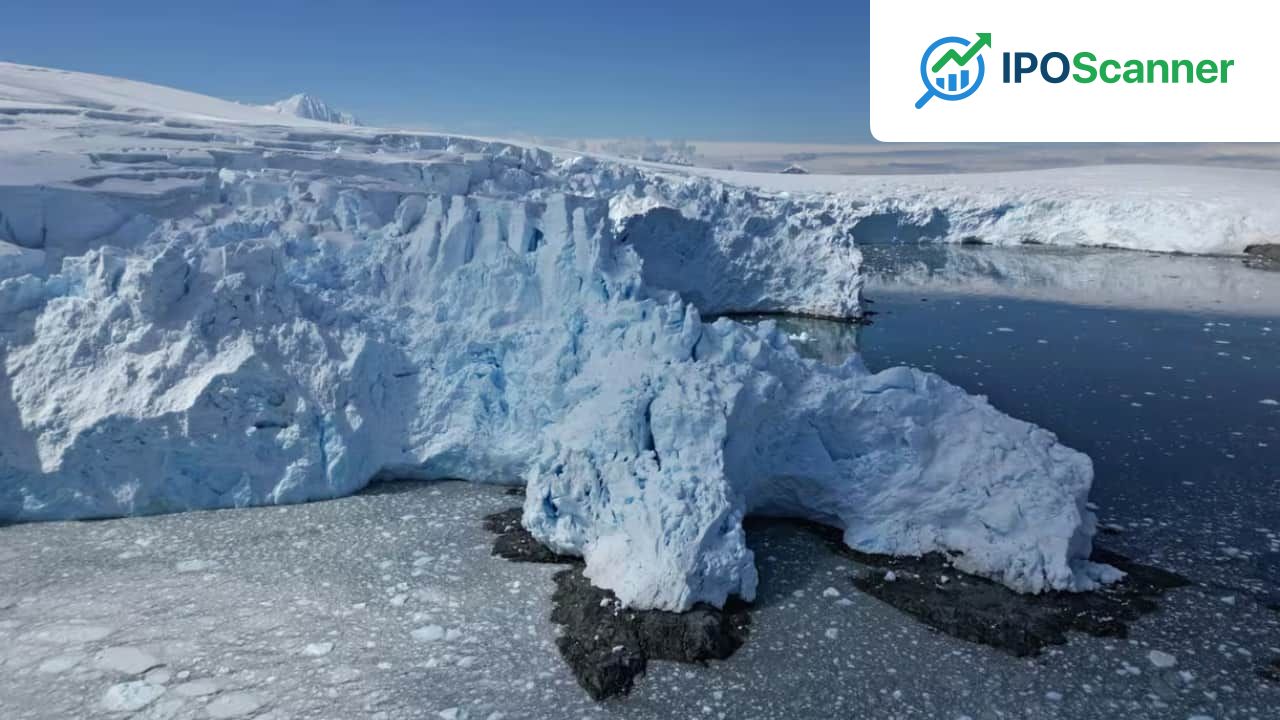
New Research Suggests India and Antarctica Were Once Unified Landmass
Ancient Continents Connected: Fresh Evidence of India and Antarctica's Shared Past
Scientists studying ancient rocks from Andhra Pradesh's Eastern Ghats have uncovered fresh evidence that India and Antarctica were once connected before the continents split nearly 150 million years ago. The researchers discovered that rock samples from eastern India closely match formations found in East Antarctica, providing new support for the idea that both regions were once part of the supercontinent Gondwana.
The discovery comes from research carried out in the Vizianagaram and Salur regions of Andhra Pradesh. Geologists examined granulite rocks, which form deep inside the Earth under extreme heat and pressure. By studying minerals such as zircon and garnet, researchers found that the Indian and Antarctic rocks shared the same age, chemical makeup, and geological history. The study reveals that these rocks were formed about a billion years ago, when a huge mountain range connected present-day eastern India and East Antarctica before the landmasses slowly drifted apart.
Researchers used modern dating techniques to trace the timeline of these rocks. Tiny zircon crystals acted like natural clocks, preserving evidence of ancient geological events. The findings showed that both regions experienced the same phases of heating, cooling, and mineral changes over millions of years.
Read also: Treasury Yields Experience Largest Increase in Two Weeks Following Release of Labor Market Data
| Region | Age (million years ago) | Geological History |
|---|---|---|
| Eastern India | 1,000 | Formed from granulite rocks under extreme heat and pressure |
| East Antarctica | 1,000 | Shared same geological history and mineral makeup as eastern India |
The study also supports the long-standing theory of plate tectonics, which explains how continents slowly move across Earth's surface. Scientists say Gondwana began breaking apart around 130 to 150 million years ago during the age of dinosaurs. India drifted northward and later collided with Asia, while Antarctica moved south toward the pole, splitting the once-connected mountain range apart.
Experts say the findings are important because they help explain how Earth's continents were assembled and separated over time. The research may also improve understanding of mineral deposits and ancient climate conditions hidden within old rock systems.
The study, published in the journal Lithos, involved researchers from institutions in India, Australia, and South Korea. Scientists say the discovery offers one of the clearest geological links yet between India and Antarctica.
Read also: US-Iran Tensions Spark Uptick in Oil Prices Amid Global Market Decline
More in Economy

Treasury Yields Experience Largest Increase in Two Weeks Following Release of Labor Market Data

US-Iran Tensions Spark Uptick in Oil Prices Amid Global Market Decline

MoSPI Releases Uniform Norms for DDP Estimates with 2022-23 Base Year

