Navigating the Market: Key Considerations for Prospective Electric Vehicle Buyers
Electric Vehicles Become Mainstream in India
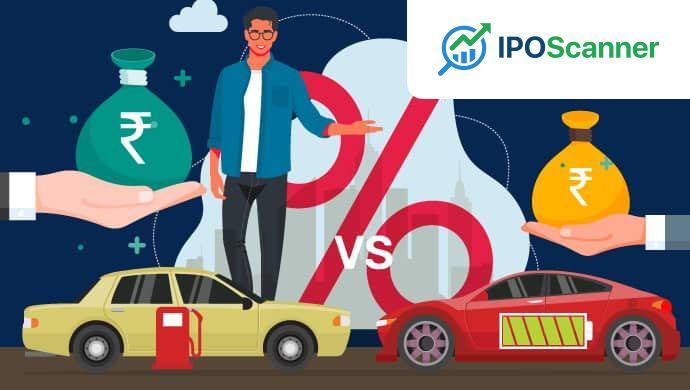
Electric vehicles (EVs) are no longer niche purchases in India, with more buyers seriously considering them for daily commuting and long-distance driving. The rise in fuel prices, lower running costs, and government incentives have contributed to increased adoption. However, buying an EV is a different experience from buying a petrol or diesel car.
Evaluating EV Value in India
Three factors increasingly matter most while evaluating EV value in India: real-world driving range, charging convenience, and future resale value. Real-world range matters more than brochure numbers, as actual EV range changes depending on traffic, air conditioning usage, highway driving speeds, weather, and driving habits.
Read also: Treasury Yields Experience Largest Increase in Two Weeks Following Release of Labor Market Data
| Vehicle | Certified Range | Actual Range |
|---|---|---|
| Tata Motors | 450 km | 300-350 km |
| MG | 350 km | 250-300 km |
| Hyundai | 380 km | 280-330 km |
| Mahindra | 320 km | 220-270 km |
| BYD | 520 km | 380-420 km |
For example, if your daily commute is 30 to 40 kilometres, even a smaller battery EV may comfortably handle your needs. However, if you regularly drive between cities, range anxiety becomes more important.
Charging Convenience
Many buyers initially focus on charging speed and forget about charging access itself. Home charging availability remains one of the most important factors determining EV satisfaction in India today. If you can charge overnight at home regularly, EV ownership usually becomes much easier and cheaper. However, depending heavily on public chargers can still feel inconvenient in many areas.
Read also: US-Iran Tensions Spark Uptick in Oil Prices Amid Global Market Decline
| City | Number of Public Chargers | Availability of Home Charging |
|---|---|---|
| Mumbai | 200 | 80% |
| Delhi | 150 | 60% |
| Bengaluru | 100 | 50% |
| Chennai | 80 | 40% |
Fast charging networks are expanding steadily across highways and urban centres, but availability still differs significantly between cities and states. It is essential to check nearby charging infrastructure before finalizing an EV purchase.
Resale Value
Resale value is becoming one of the biggest unanswered questions in India's EV market. Battery condition is expected to become one of the most important resale factors over the next few years. Manufacturers are trying to reduce concerns through longer battery warranties, software monitoring systems, and improved thermal management technology.
| Manufacturer | Battery Warranty |
|---|---|
| Tata Motors | 8 years |
| MG | 10 years |
| Hyundai | 8 years |
| Mahindra | 8 years |
| BYD | 10 years |
Resale confidence often depends heavily on brand reputation, service support, and perceived battery reliability. If you are planning to keep the vehicle for only four to five years, you should pay close attention to resale demand trends before purchasing.
Investor Takeaway
Investors should consider the long-term ownership costs and factors such as real-world driving range, charging convenience, and future resale value when evaluating electric vehicles.
More in Market

Treasury Yields Experience Largest Increase in Two Weeks Following Release of Labor Market Data

US-Iran Tensions Spark Uptick in Oil Prices Amid Global Market Decline

Indian Stocks to Watch: BHEL, Agarwal Industrial, JBM Auto, Rajesh Exports, Indian Energy Exchange, Lenskart Solutions in Market Focus on June 4.